
Beautiful Plants For Your Interior
Beautiful Plants For Your Interior
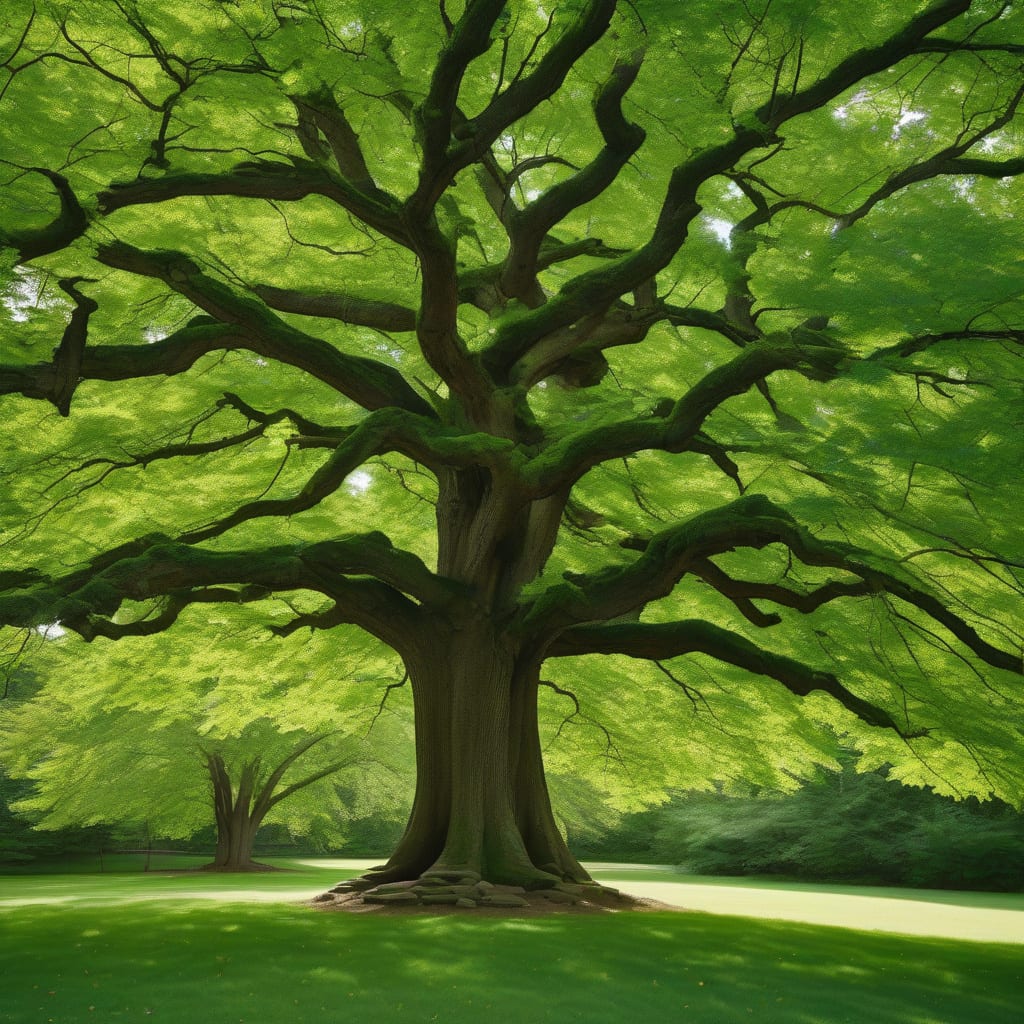
Maple trees 🌳 are known for their stunning foliage and impressive growth, but have you ever wondered how tall they can actually grow? The height of a Maple Tree can vary significantly based on factors like species and growing conditions.
Understanding the potential height of these trees is crucial for garden planning, especially since they can reach heights of 50-100 feet at maturity. Let’s explore what influences their growth and how to care for them.

Maple trees are known for their impressive growth, but their height is influenced by several key factors. Understanding these factors is crucial for garden planning and ensuring your maple tree reaches its full potential.
The species of maple tree plays a significant role in determining its height. Different species have varying growth habits and maximum heights, ranging from 30 to 100 feet. For example, the sugar maple can grow much taller than the Japanese maple.
Climate is another critical factor that affects maple tree height. Maple trees thrive in temperate climates with distinct seasons. Extreme weather conditions can impact their growth, so understanding your local climate is essential 🌟.
The soil quality is vital for the healthy growth of maple trees. They prefer well-draining, nutrient-rich soil that is slightly acidic. Poor soil conditions can limit the tree’s potential height and overall health.
Maintenance practices, such as pruning and watering, also play a significant role in managing the height of maple trees. Regular pruning can help control the tree’s size and promote a healthy structure.
By understanding these factors, you can better manage the growth of your maple tree and ensure it reaches its optimal height 🌳.
Maple trees are not only beautiful but also provide numerous benefits, including shade and aesthetic appeal. Proper care and maintenance are key to maximizing their growth potential.
In summary, the height of a maple tree is influenced by a combination of factors including species, climate, soil quality, and maintenance practices. By considering these factors, you can create an optimal environment for your maple tree to thrive.
For more detailed information on caring for maple trees, consider consulting with a local gardening expert or horticulturist who can provide tailored advice based on your specific conditions.
Understanding the specific needs of your maple tree will help you make informed decisions about its care and maintenance, ensuring it remains healthy and reaches its full potential.
Maple trees are known for their impressive growth, and different species can reach varying heights. Understanding the maximum heights of popular maple tree species is essential for garden planning and ensuring your tree has enough space to grow.
The height of maple trees can range from 30 to 100 feet, depending on the species. Some species, like the sugar maple, can grow quite tall, while others, like the Japanese maple, remain more compact.
The sugar maple is one of the tallest maple species, often reaching heights of 60 to 100 feet. It has a moderate to fast growth rate, making it a popular choice for landscaping.
The red maple is another popular species that can grow to 50-70 feet tall. It is known for its fast growth rate and vibrant fall colors.
In contrast, the Japanese maple is a more compact species, typically growing to 10-25 feet tall. It has a slow to moderate growth rate and is often used as an ornamental tree in gardens 🌸.
When selecting a maple tree for your garden, consider the mature height of the species to ensure it fits within your available space. Proper planning will help you avoid potential issues with power lines, neighboring structures, and other environmental factors.
By understanding the growth habits and maximum heights of different maple species, you can make informed decisions about which tree is best suited for your garden’s conditions and your personal preferences.
Managing the height of your maple tree is crucial for maintaining its health and ensuring it fits within your garden space. Proper care and maintenance can significantly influence the tree’s growth and overall appearance 🌳.
Regular pruning is essential for controlling the height of your maple tree. Prune during the dormant season to minimize stress and promote healthy growth.
Pruning techniques play a significant role in managing maple tree height. Remove any dead or diseased branches to maintain the tree’s health and structure. Use clean, sharp tools to make precise cuts and avoid damaging the tree 🌟.
The planting location is another critical factor in managing maple tree height. Ensure you have enough space for the tree to grow to its mature height without interfering with power lines or neighboring structures 🏠.
Growth management strategies, such as regular inspections and adjustments to care practices, can help maintain the desired height and health of your maple tree. Monitor the tree’s growth and make necessary adjustments to its care routine 🔍.
By following these tips, you can effectively manage the height of your maple tree and ensure it remains a beautiful and healthy addition to your garden 🌸.
