
Beautiful Plants For Your Interior
Beautiful Plants For Your Interior
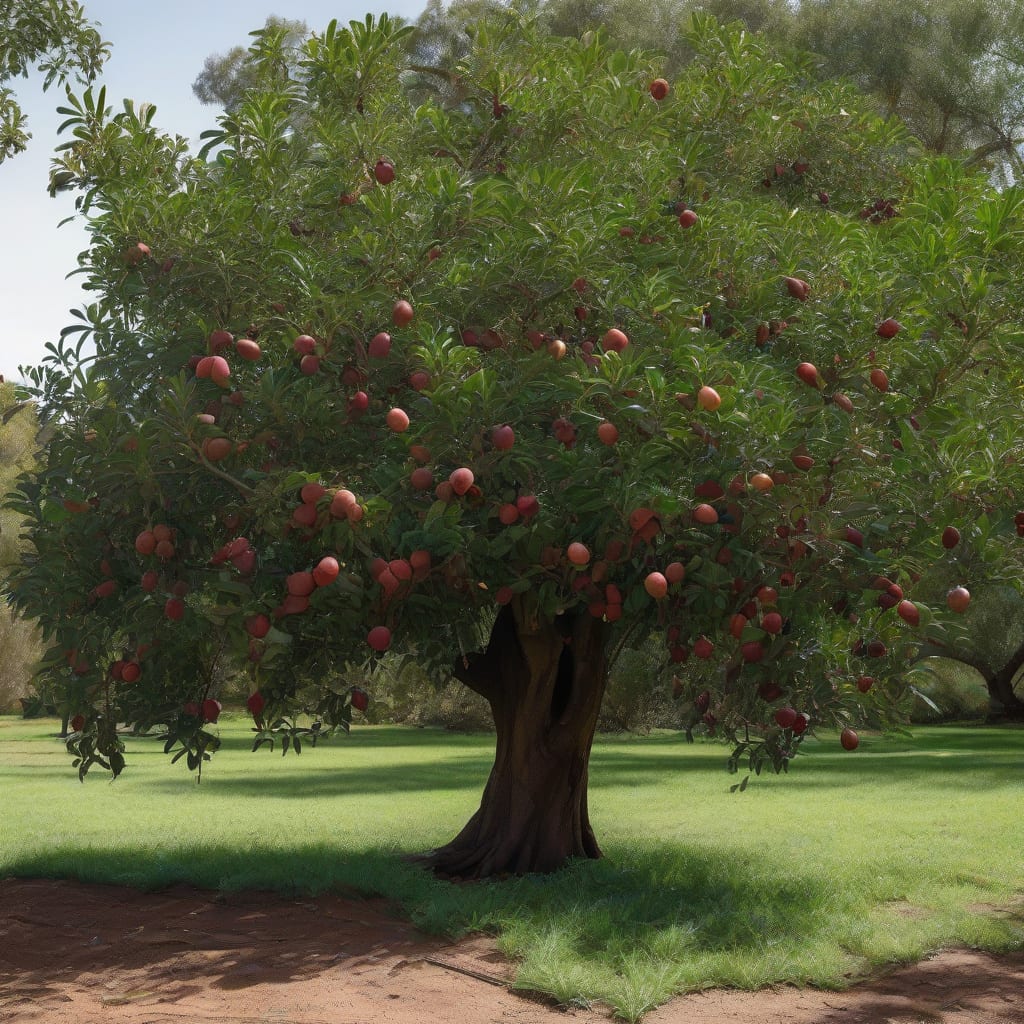
I’ve always been fascinated by the Jujube Tree 🌳, known for its remarkable adaptability and delicious fruit. Growing in USDA Zone 6, these trees can thrive with proper care.
Understanding how tall they can grow is crucial for garden planning. Let’s explore the factors that influence their height and what you can expect from these versatile trees.


Jujube trees are known for their remarkable adaptability to various growing conditions, but their height can vary significantly based on several key factors. Understanding these factors is crucial for gardeners who want to optimize the growth of their jujube trees.
The climate plays a significant role in determining the height of jujube trees. These trees thrive in warm, dry climates with full sun, typically growing taller in regions with long growing seasons. Areas with mild winters and hot summers are ideal for jujube cultivation, allowing them to reach their maximum potential height 🌞.
Soil quality is another critical factor that affects jujube tree height. These trees prefer well-draining soil with moderate fertility. Soil that is too rich can lead to excessive vegetative growth at the expense of fruit production. A balanced soil pH between 6.0 and 7.0 is considered optimal for jujube cultivation 🌱.
The watering regimen also influences the height of jujube trees. While the trees are somewhat drought-tolerant, consistent moisture during the growing season can encourage taller growth. However, overwatering can be detrimental, leading to root rot and other issues 💧.
Pruning practices significantly impact jujube tree height. Regular pruning can control the tree’s height and promote a more compact, productive structure. Pruning in late winter or early spring is recommended to maintain the desired height and shape 🌳.
Understanding these factors helps gardeners make informed decisions about planting and caring for their jujube trees. By optimizing climate, soil, watering, and pruning practices, gardeners can influence the height and overall health of their jujube trees.
Jujube trees are versatile and can thrive in various conditions, making them a popular choice for many gardeners. Their adaptability and relatively low maintenance requirements add to their appeal, especially for those new to fruit tree cultivation.
As we continue to explore the specifics of jujube tree growth, it’s essential to consider the interplay between these factors and how they collectively impact the tree’s height and productivity.
By carefully managing these aspects, gardeners can enjoy a bountiful harvest of delicious jujube fruit while maintaining a tree that fits their landscape needs.
The adaptability of jujube trees to different conditions makes them suitable for a wide range of gardening situations, from small urban gardens to larger orchards.
Jujube trees are known for their impressive height range, which can vary significantly based on factors such as variety, growing conditions, and cultivation practices. Understanding the average and maximum height of these trees is essential for gardeners and landscapers to plan their space effectively 🌳.
The typical height range for jujube trees varies between 15 to 20 feet at maturity. However, some varieties can grow taller, reaching heights of up to 25 feet or more under ideal conditions. The height of jujube trees is influenced by their genetic makeup, with different cultivars exhibiting different growth habits 📏.
Typically grow between 15 to 20 feet tall, making them suitable for larger gardens or orchards.
Generally reach heights of 8 to 12 feet, ideal for smaller spaces or container gardening.
Some jujube trees can reach up to 25 feet when grown in optimal conditions with proper care.
Jujube trees are considered medium-sized trees, making them versatile for various landscaping needs. Their height can be influenced by factors such as soil quality, watering practices, and pruning techniques 🌟.
When selecting a jujube tree, it’s crucial to consider the mature height of the specific variety to ensure it fits within the available space. Proper planning helps in maintaining the tree’s health and maximizing its fruit production 📈.
By understanding the growth patterns and potential height of jujube trees, gardeners can make informed decisions about their placement and care, ultimately leading to a more successful and productive growing experience 🌱.
I find that pruning is an essential technique for managing the size of jujube trees and maintaining their overall health. Proper pruning practices can help control the tree’s height, promote a stronger structure, and enhance fruit production 🌳.
Pruning jujube trees involves several key steps that should be followed carefully to achieve the desired results. The process begins with understanding the tree’s growth patterns and identifying the branches that need to be pruned 🔍.
Start by removing any dead, diseased, or damaged branches to prevent the spread of disease and encourage healthy growth.
Thin out the center of the tree to allow more sunlight to penetrate and improve air circulation, which helps reduce the risk of disease.
Shape the tree by cutting back branches that are growing too tall or out of place, maintaining a balanced and open structure.
Pruning timing is also crucial for jujube trees. The best time to prune is in late winter or early spring, before new growth begins. This timing helps minimize stress on the tree and allows for quicker healing of pruning wounds 🕰️.
By following these pruning steps and timing recommendations, gardeners can effectively manage the size of their jujube trees, ensuring they remain healthy and productive for years to come 🌟.
Regular pruning not only controls the tree’s height but also improves its overall structure and fruiting potential. It’s a simple yet powerful technique that every jujube tree owner should master 🌱.
I recommend pruning your jujube tree annually to maintain its shape and promote optimal growth. With consistent care, your jujube tree will thrive and provide you with delicious fruit for many seasons 🌼.
