
Beautiful Plants For Your Interior
Beautiful Plants For Your Interior
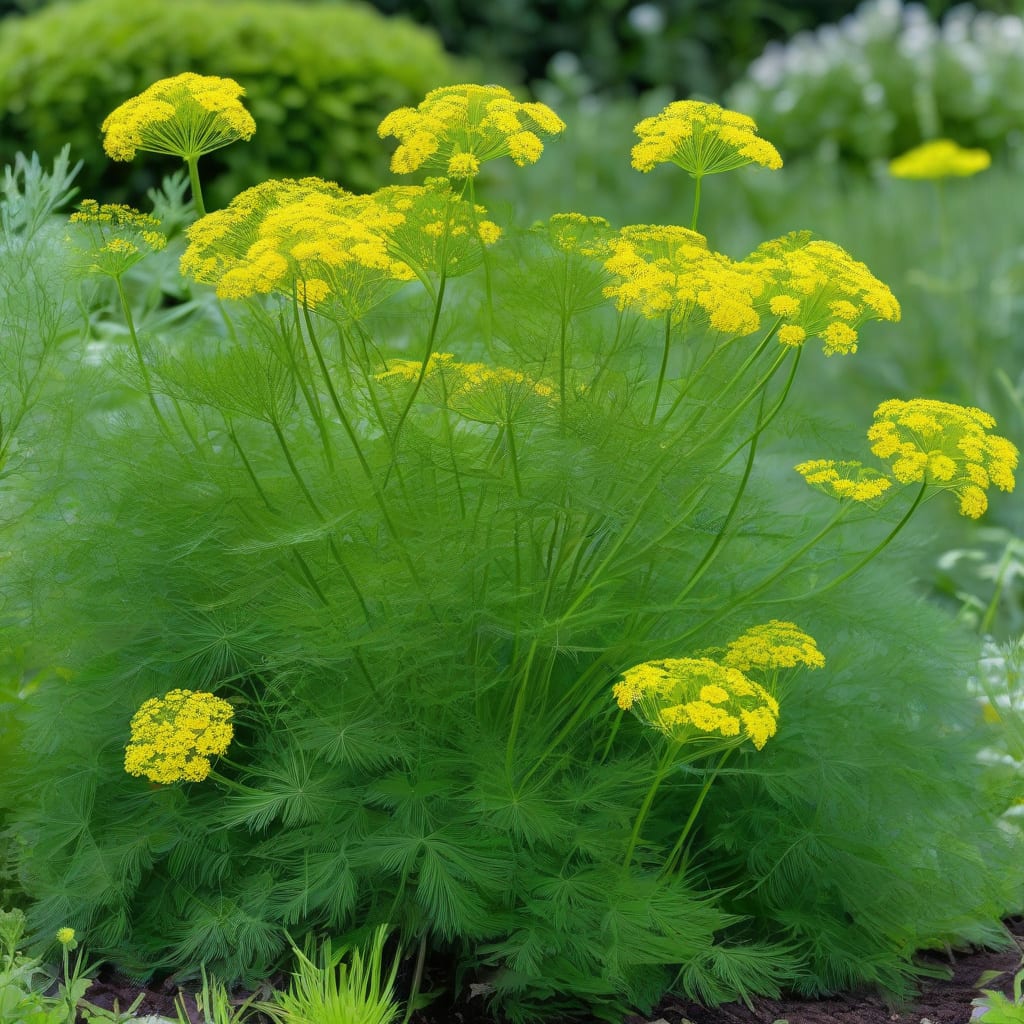
As I step into my garden, I’m always amazed by how tall my dill plants can grow 🌿. Reaching heights of up to 6 feet, these versatile herbs are a sight to behold.
Understanding the growth potential of dill is crucial for gardeners, especially when it comes to providing the right support and care. Let’s explore the factors that influence dill’s height and how to maximize its growth.


Dill is known for its impressive growth potential, with some varieties reaching heights of up to 6 feet. The average height typically ranges between 3 to 4 feet, depending on the specific cultivar and growing conditions 🌿.
Understanding the maximum height of dill plants is essential for gardeners to plan their garden layout and provide necessary support. Let’s explore the factors that influence dill height and what gardeners can expect 🌱.
The height of dill plants can vary significantly based on several factors, including the specific variety, growing conditions, and cultivation practices. Some compact varieties may remain relatively shorter, while others can grow quite tall 🌼.
Several key factors influence the height of dill plants. Soil quality plays a crucial role, as dill prefers well-draining, fertile soil rich in organic matter. Sunlight exposure is another critical factor, with dill requiring full sun to grow tall and healthy 🌞.
Watering practices also impact dill height. Consistent moisture, especially during the early stages of growth, promotes healthy development. However, overwatering can lead to weak, leggy growth 🌱.
The spacing between plants is another important consideration. Providing adequate space allows dill plants to receive sufficient sunlight and air circulation, contributing to their overall height and health 🌿.
Nutrient availability, particularly nitrogen and spacing between plants, proper watering, and adequate sunlight all contribute to dill’s growth potential 🌿.
The variety of dill also plays a significant role in determining its height. Some compact varieties are bred to remain shorter, while others are known for their tall growth habit 🌱.
To maximize the height of dill plants, gardeners should focus on providing optimal growing conditions. This includes ensuring the soil is fertile, maintaining consistent moisture, and providing full sun exposure 🌞.
By understanding these factors and implementing appropriate gardening practices, gardeners can encourage their dill plants to reach their full height potential 🌼.
Regular monitoring and maintenance are essential to support tall dill plants and prevent issues such as lodging or pest infestations 🌿.
In conclusion, the height of dill plants can vary significantly based on a combination of genetic and environmental factors. By providing optimal growing conditions and appropriate care, gardeners can maximize the growth potential of their dill plants 🌱.
Understanding the factors that influence dill height is crucial for gardeners to optimize their growing conditions. Several key elements affect how tall dill plants can grow 🌱.
The quality of soil is a primary factor in determining dill height. Dill thrives in well-draining, fertile soil rich in organic matter. Soil with good nutrient content supports healthy growth and development 🌿.
Sunlight exposure is another critical factor. Dill requires full sun to grow tall and healthy. Inadequate sunlight can lead to weak, leggy growth 🌞.
Watering practices also play a significant role. Consistent moisture, especially during early growth stages, is essential. However, overwatering can cause root rot and other issues, negatively impacting height 🌱.
The spacing between plants affects dill height as well. Proper spacing allows for adequate air circulation and sunlight penetration, promoting healthy growth 🌿.
Nutrient availability, particularly nitrogen, is vital for dill growth. Balanced fertilization supports overall plant development and height 🌼.
The variety of dill also influences its growth potential. Some compact varieties are bred for smaller spaces, while others are known for their tall growth habit 🌱.
To maximize dill height, gardeners should focus on providing optimal growing conditions, including fertile soil, consistent moisture, and full sun exposure 🌞.
Regular monitoring and maintenance are crucial to support tall dill plants and prevent issues like lodging or pest infestations 🌿.
By understanding and managing these factors, gardeners can encourage their dill plants to reach their full height potential 🌼.
Managing tall dill plants requires careful consideration of their growth habits and needs. To maximize their height and prevent issues, gardeners should provide proper support and maintain optimal growing conditions 🌿.
For tall dill plants, use stakes or trellises to provide support and prevent lodging. This will help maintain their upright growth and promote healthier development.
One effective method for supporting tall dill plants is to use stakes or trellises. By providing structural support, gardeners can prevent the plants from lodging or breaking under their own weight 🌼.
Pruning is another essential practice for managing tall dill plants. Regular pruning encourages bushy growth and prevents the plants from becoming too leggy 🌱.
To prevent lodging, gardeners should ensure that their dill plants have adequate air circulation and sunlight penetration. This can be achieved by providing sufficient spacing between plants 🌞.
Regular monitoring is crucial to identify potential issues early. Gardeners should keep an eye out for signs of pests, diseases, or nutrient deficiencies, and take action promptly to address any problems 🌿.
By implementing these strategies, gardeners can effectively manage their tall dill plants and enjoy a bountiful harvest of fresh, flavorful herbs 🌼.
