
Beautiful Plants For Your Interior
Beautiful Plants For Your Interior
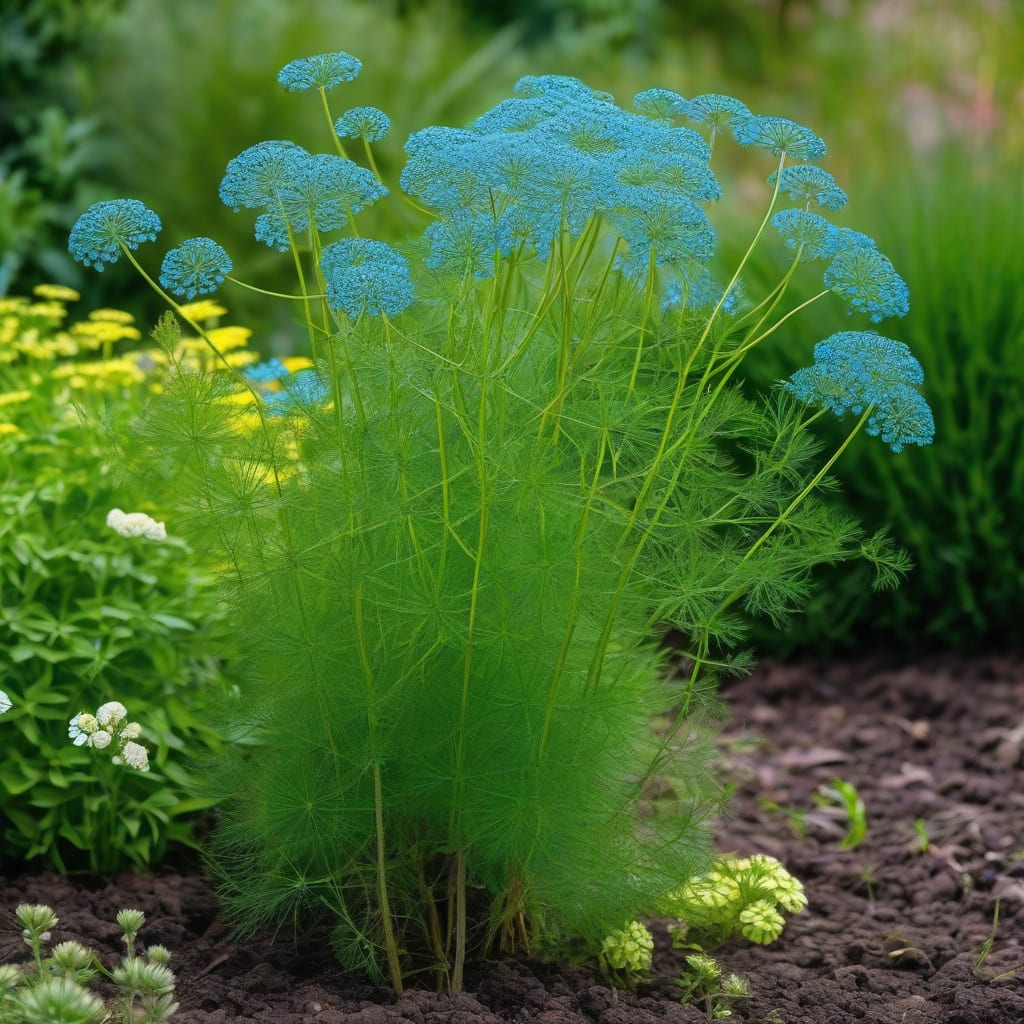
I’ve always been fascinated by how tall Dill 🌿 can grow – some varieties can reach heights of 3-6 feet! Understanding the growth habits of this versatile herb is key to getting the most out of your garden.
In this article, we’ll explore what affects Dill’s height and how to encourage it to reach its full potential in your garden in USDA Zone 6.


Dill is known for its impressive height, which can range from 2 to 6 feet depending on the variety and growing conditions. As an herb that belongs to the celery family, dill’s growth habits are influenced by factors such as soil quality, sunlight exposure, and watering practices. 🌱
The height of dill plants can vary significantly based on whether you’re growing a dwarf, semi-dwarf, or standard variety. Understanding these factors is crucial for gardeners looking to optimize their dill cultivation.
Dill plants generally prefer full sun and well-draining soil to grow to their maximum potential height. The soil quality plays a significant role in determining the height of dill, as it requires fertile and moist conditions to thrive.
The variety of dill is another critical factor that influences its height. Some varieties are bred to be more compact, while others can grow quite tall. For instance, mammoth dill is known for its height, often reaching the upper end of the height spectrum.
Understanding these factors helps gardeners set realistic expectations for their dill plants and take appropriate measures to encourage healthy growth.
In terms of specific growth characteristics, dill is known to have a moderate to fast growth rate, allowing it to quickly reach its mature height. This rapid growth makes it an ideal crop for gardeners looking to harvest fresh dill throughout the growing season.
To achieve optimal height, dill plants require consistent moisture and adequate nutrients. Gardeners should ensure that their dill plants receive regular watering and balanced fertilization to promote healthy growth.
It’s also worth noting that dill plants can be quite competitive when it comes to space. Providing adequate spacing between plants can help prevent overcrowding, which can negatively impact their height.
By understanding the factors that affect dill height and taking steps to optimize growing conditions, gardeners can enjoy a bountiful harvest of this versatile herb.
In summary, dill’s height is influenced by a combination of factors including variety, soil quality, sunlight, and watering practices. By optimizing these conditions, gardeners can encourage their dill plants to reach their full potential height.
Overall, growing dill can be a rewarding experience, especially when gardeners understand the factors that contribute to its growth and take steps to create optimal growing conditions.
To achieve maximum height with your dill plants, it’s essential to provide them with optimal growing conditions. This includes ensuring they receive full sun and are planted in well-draining, fertile soil. 🌞
One of the most critical factors in maximizing dill height is proper spacing. Dill plants should be spaced 12-18 inches apart to prevent overcrowding, which can lead to reduced growth and increased susceptibility to disease.
Dill prefers well-draining soil with a pH between 5.5 and 6.5. Adding organic matter like compost can improve soil structure and fertility.
Dill needs consistent moisture, especially when it’s producing flowers and seeds. Water plants deeply once a week, or more often in hot, dry weather.
Feed your dill plants with a balanced fertilizer during the growing season. Avoid over-fertilizing, as this can lead to weak, leggy growth.
By following these expert tips and techniques, you can help your dill plants reach their full potential height and enjoy a bountiful harvest of this versatile herb.
In addition to these tips, it’s essential to monitor your plants regularly for signs of pests or diseases, which can impact their growth and height.
With proper care and attention, your dill plants can thrive and provide you with a continuous supply of fresh dill throughout the growing season.
When growing dill, I’ve found that even experienced gardeners can make mistakes that affect the plant’s height. One of the most common errors is overcrowding, which can lead to reduced growth and increased susceptibility to disease. 🌿
To avoid this,
Common mistakes that can stunt dill growth include overwatering, inadequate sunlight, and poor soil quality. Be aware of these potential pitfalls to ensure your dill plants reach their full potential height.
Another critical factor is watering. Dill prefers consistent moisture, but overwatering can be detrimental.
Soil quality is also crucial for dill growth. The herb prefers well-draining soil with a pH between 5.5 and 6.5. Adding organic matter like compost can improve soil structure and fertility.
By being aware of these common mistakes and taking steps to avoid them, you can help your dill plants reach their full potential height and enjoy a bountiful harvest.
In my experience, monitoring your plants regularly and taking corrective action when necessary can make a significant difference in their overall health and productivity.
