
Beautiful Plants For Your Interior
Beautiful Plants For Your Interior
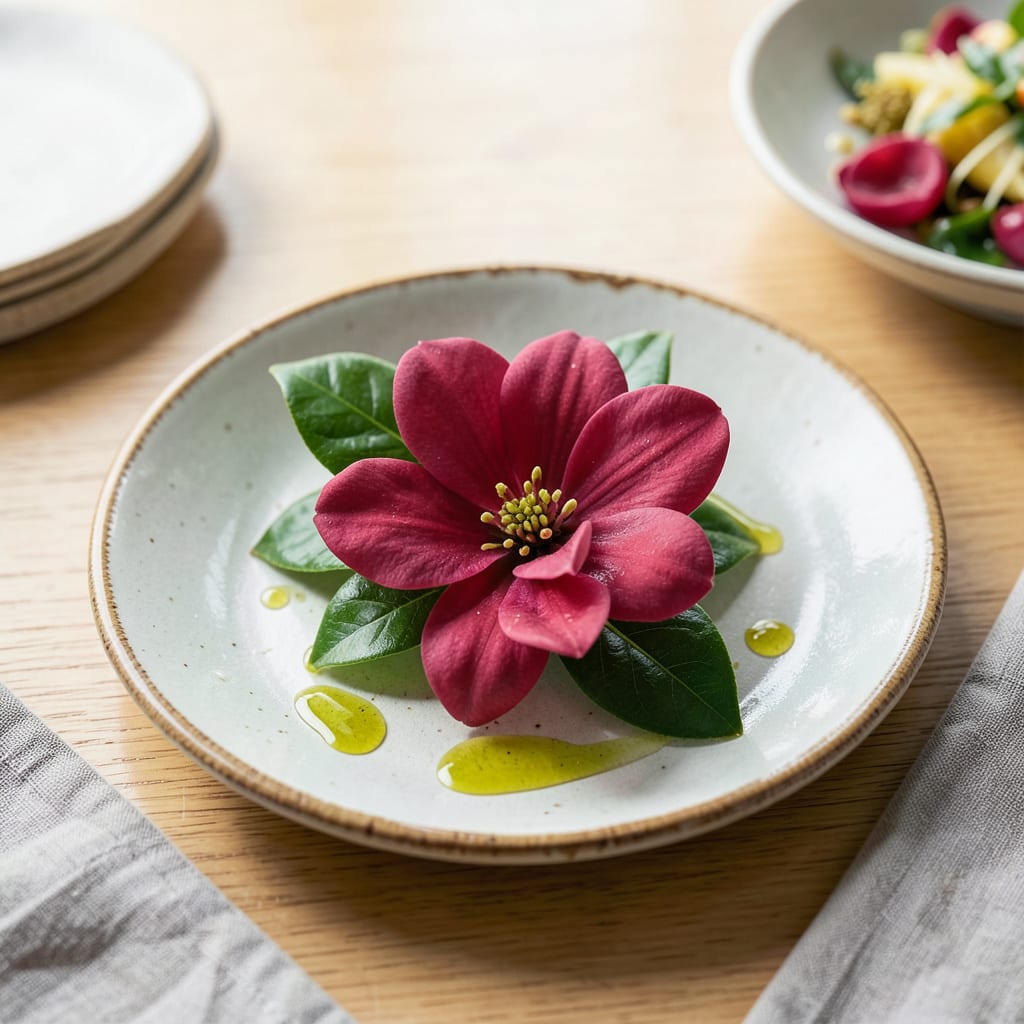
Gardenias 💐 are renowned for their intoxicating fragrance and elegant white blooms, but achieving that perfect flowering requires precise care. Timing your fertilization is crucial, especially in spring when they’re actively growing.
To keep your Gardenia thriving in USDA Zone 8, you’ll need to understand their nutrient needs and when to provide them. Let’s explore the best practices for fertilizing your Gardenia to ensure lush blooms.

Gardenias are heavy feeders that require regular fertilization to maintain their lush foliage and produce abundant blooms. The key to successful fertilization is understanding their growth cycle and seasonal needs 🌿.
Fertilizing gardenias at the right time ensures they receive the necessary nutrients for optimal growth and flowering. In USDA Zone 8, gardenias typically start their active growth in spring, making it the ideal time to begin fertilization 🔥.
The spring frequency is particularly crucial as it coincides with the gardenia’s active growth phase. Applying acidic, slow-release fertilizer every 4-6 weeks during this period supports healthy development and maximizes blooming potential 💪.
Summer fertilization continues to be important as it maintains the plant’s nutrient levels during the blooming season. Gardenias typically bloom from mid-spring through summer, and consistent fertilization helps sustain these blooms 🌼.
Key fertilization considerations include using the right type of fertilizer and maintaining proper application timing. Gardenias require acidic fertilizers with a balanced NPK ratio, typically 10-10-10, to thrive.
It’s essential to monitor your gardenia’s response to fertilization and adjust as needed. Signs of proper fertilization include healthy, dark green foliage and abundant flowering. Conversely, signs of over-fertilization can include leaf burn or excessive foliage growth at the expense of blooms ⚠️.
To avoid common fertilization mistakes, always follow the manufacturer’s instructions for application rates and timing. Over-fertilization can be detrimental to gardenias, so it’s better to under-fertilize than to overdo it 🔍.
Regular soil testing can help determine if your fertilization strategy is effective. Testing for pH levels and nutrient content provides valuable insights into your gardenia’s nutritional needs 📊.
By following a seasonal fertilization schedule and using the appropriate acidic fertilizer, you can ensure your gardenias receive the nutrients they need for maximum bloom and overall health 🌻.
Consistency is key when it comes to fertilizing gardenias. Establishing a regular fertilization routine aligned with their growth cycle will help you achieve the lush, fragrant blooms that gardenias are known for 💐.
For best results, combine proper fertilization with other good gardening practices such as adequate watering, appropriate sunlight, and regular pruning. This holistic approach will help your gardenias thrive and become a highlight of your garden 🌟.
Gardenias have specific nutrient requirements that must be met to ensure they thrive. Understanding these needs is crucial for maintaining their health and promoting abundant blooming 🌼.
The primary nutrient requirement for gardenias is acidic fertilization. They thrive in soil with a low pH, typically between 5.0 and 6.0. Using an acidifying fertilizer helps maintain this acidity, which is essential for nutrient uptake and overall plant health 🔥.
Over-fertilization can damage gardenias. Always follow the manufacturer’s instructions and monitor your plant’s response to fertilization.
In addition to acidity, gardenias require a balanced NPK ratio, typically 10-10-10 or 20-20-20. This balance ensures they receive equal amounts of nitrogen, phosphorus, and potassium, which are crucial for foliage growth, flowering, and overall plant health 🌿.
Micronutrients also play a vital role in gardenia health. Elements like iron, magnesium, and manganese are essential for various physiological processes. Deficiencies in these micronutrients can lead to issues such as chlorosis or poor flowering 🌻.
To avoid common fertilization mistakes, it’s essential to monitor soil pH and adjust fertilization accordingly. Regular soil testing can help determine if your fertilization strategy is effective and if any adjustments are needed 📊.
Another critical aspect is the type of fertilizer used. Slow-release fertilizers are particularly beneficial as they provide a steady supply of nutrients over time, reducing the risk of over-fertilization and promoting consistent growth 🌱.
By understanding and meeting the nutrient requirements of your gardenias, you can ensure they remain healthy and continue to produce their signature fragrant blooms. Proper fertilization is a key component of gardenia care, contributing to their overall vitality and beauty 💐.
Combining proper fertilization with other good gardening practices such as adequate watering and appropriate sunlight will further enhance your gardenias’ health and blooming potential 🌟.
For optimal results, maintain a consistent fertilization schedule and be mindful of your gardenias’ response to the fertilizers used. This attentive care will help you achieve the lush, vibrant gardenias you desire 🌼.
Fertilizing gardenias successfully requires more than just knowing when to fertilize – it involves understanding the best practices for application and monitoring your plant’s response 🌿.
One key aspect is the method of fertilizer application. Gardenias benefit from fertilizers that are applied evenly around the base of the plant, avoiding direct contact with the trunk 🔍.
Regularly test your soil to determine its pH level and nutrient content. This helps you adjust your fertilization strategy accordingly 📊.
Use slow-release, acidic fertilizers that provide a steady supply of nutrients to your gardenias, promoting healthy growth and blooming 🌱.
Keep an eye on your gardenias’ response to fertilization. Look for signs of healthy growth and abundant blooming, and adjust your fertilization schedule as needed 🌼.
By following these additional tips, you can ensure your gardenias receive the best care possible, leading to lush foliage and fragrant blooms 💐.
Consistency and attention to detail are crucial when fertilizing gardenias. By maintaining a regular fertilization routine and being mindful of your plants’ needs, you can enjoy the beauty and fragrance of your gardenias all season long 🌻.
Combining proper fertilization with other good gardening practices will further enhance your gardenias’ health and blooming potential. This holistic approach includes adequate watering, appropriate sunlight, and regular pruning 🌟.
Fertilize your gardenia every 4-6 weeks during the growing season (spring and summer) for optimal growth and blooming. This frequency supports healthy development and maximizes flowering potential.
Gardenias require acidic, slow-release fertilizers with a balanced NPK ratio, typically 10-10-10 or 20-20-20. This type of fertilizer maintains the necessary soil acidity and provides essential nutrients for healthy growth and blooming.
No, it’s recommended to stop fertilizing gardenias during winter as they are dormant during this period. Fertilizing during dormancy can cause unnecessary stress to the plant. Resume fertilization in early spring when new growth begins.
Signs of over-fertilization include leaf burn and excessive foliage growth at the expense of blooms. If you notice these symptoms, reduce the frequency or amount of fertilizer applied. Always follow the manufacturer’s instructions to avoid over-fertilization.
