
Beautiful Plants For Your Interior
Beautiful Plants For Your Interior
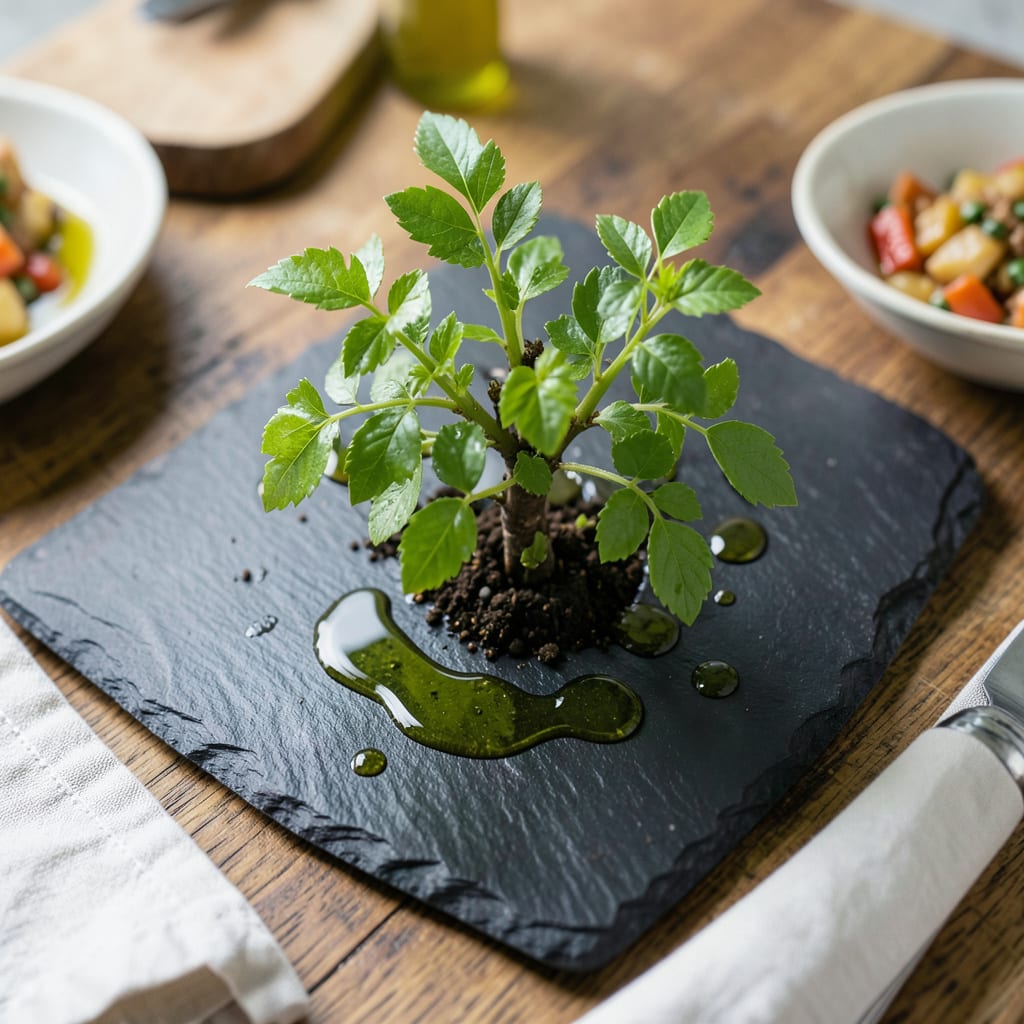
Fertilizing your 🌳 Tree at the right time can make all the difference in its growth and health. In USDA Zone 6, timing is everything – fertilizing during the wrong season can be ineffective or even harmful.
The key is understanding when your Tree needs nutrients most. I’ll guide you through the best times to fertilize, considering factors like soil conditions and seasonal changes, so you can give your Tree the best chance to thrive.

Fertilizing trees is a crucial step in maintaining their health and promoting growth. The timing of fertilization depends on the type of tree, its age, and the climate it’s growing in. Understanding when to fertilize can make a significant difference in the tree’s ability to absorb nutrients effectively 🌳.
In general, trees benefit from fertilization during their active growing seasons. For most trees, this means fertilizing during the spring and early fall. However, the specific timing can vary based on factors such as the tree species and local climate conditions spring fertilization, fall fertilization.
The best time to fertilize trees is during the spring when new growth begins. This timing supports the growth of the tree by providing it with the necessary nutrients. For deciduous trees, fertilization should occur before the leaves fully emerge. For evergreen trees, it can be done a bit later, just before their growth spurt 🌱.
It’s also important to consider the age of the tree. Younger trees benefit from more frequent fertilization compared to older, established trees. For newly planted trees, it’s generally recommended to wait one year after planting before starting a fertilization routine young trees, mature trees.
Soil conditions play a crucial role in determining the fertilization needs of trees. Conducting a soil test can provide valuable information about the nutrient levels and pH of the soil, helping you choose the right type and amount of fertilizer soil testing.
In addition to the timing, the type of fertilizer used is also important. A balanced fertilizer with a mix of nitrogen, phosphorus, and potassium (NPK) is typically recommended for trees. The specific NPK ratio may vary depending on the tree’s needs and the soil conditions fertilizer types.
Fertilizing trees at the right time and with the appropriate type of fertilizer can significantly enhance their health and growth. By following these guidelines and considering the specific needs of your trees, you can help them thrive for years to come 🌳.
For more detailed information on tree care and fertilization, consider consulting with a local arborist or gardening expert. They can provide personalized advice based on your specific climate and tree species.
By understanding and implementing proper fertilization techniques, you can ensure your trees remain healthy and continue to provide beauty and benefits to your landscape tree health, landscape benefits.
Understanding when and how to fertilize your trees is crucial for their health and growth. The first step is assessing your tree’s specific needs based on factors like soil conditions and tree type 🌳.
Conducting a soil test is essential to determine the nutrient levels and pH of your soil. This information helps you choose the right type and amount of fertilizer for your trees. You can purchase a soil testing kit or consult with a local gardening expert for assistance 🔍.
When testing soil, take samples from multiple locations around the tree to get an accurate reading. Consider factors like drainage and aeration when interpreting results.
Different tree species have varying nutrient requirements. For example, fruit trees may need more frequent fertilization than ornamental trees. Research the specific needs of your tree species to ensure you’re providing the right nutrients 🌱.
The age of your tree also plays a significant role in determining fertilization needs. Younger trees benefit from more frequent fertilization, while older trees may require less frequent applications. For newly planted trees, it’s generally recommended to wait one year before starting a fertilization routine young trees.
In addition to soil testing and tree type, consider the overall health of your tree. Look for signs of nutrient deficiencies, such as yellowing leaves or slow growth. If you notice any of these symptoms, adjust your fertilization strategy accordingly 🌿.
By understanding your tree’s specific needs and following a well-informed fertilization plan, you can help ensure your trees remain healthy and thrive for years to come. For more detailed guidance, consider consulting with a local arborist or gardening expert who can provide personalized advice based on your specific climate and tree species.
Regular monitoring and adjustments to your fertilization routine will help maintain optimal tree health and promote continued growth and development 🌳.
Fertilizing trees can be beneficial for their health and growth, but it requires careful consideration to avoid common mistakes. One of the most significant errors is over-fertilization, which can damage the tree’s roots and cause more harm than good 🌳.
Another mistake is fertilizing at the wrong time. Trees have specific growing seasons, and fertilizing during the wrong season can be ineffective or even harmful. For example, fertilizing during the winter months when trees are dormant can be a waste of resources fertilization timing.
Be cautious of over-fertilization, as it can cause root damage and negatively impact tree health. Always follow the recommended application rates.
Improper application methods can also be detrimental. Fertilizer should be applied evenly around the tree’s drip line, avoiding the trunk and nearby plants. It’s also crucial to water the fertilizer in after application to help the nutrients reach the roots effectively 💧.
To avoid these mistakes, it’s essential to understand your tree’s specific needs. Consider factors like tree species, age, and soil conditions when determining the best fertilization strategy. Consulting with a local arborist or gardening expert can provide valuable insights and help you make informed decisions 🌳.
By being aware of these common mistakes and taking steps to avoid them, you can ensure that your trees receive the nutrients they need to thrive without risking damage from improper fertilization techniques.
The best time to fertilize trees is during spring when new growth begins, typically in late March or early April. This timing supports the tree’s growth during the growing season. For deciduous trees, fertilization should occur before the leaves fully emerge. For evergreen trees, it can be done just before their growth spurt .
The frequency of fertilization depends on the tree’s age and type. Younger trees benefit from more frequent fertilization, while older trees may require less frequent applications. For newly planted trees, it’s generally recommended to wait one year before starting a fertilization routine. A balanced fertilizer applied every 4-6 weeks during the growing season is typically recommended .
Avoid fertilizing during the hottest summer months to prevent stress on the tree. If necessary, a light feeding can be done. It’s also crucial to consider the tree’s specific needs and soil conditions before fertilizing during the summer .
A balanced fertilizer with a mix of nitrogen, phosphorus, and potassium (NPK) is typically recommended for trees. The specific NPK ratio may vary depending on the tree’s needs and the soil conditions. Conducting a soil test can help determine the right type and amount of fertilizer .
