
Beautiful Plants For Your Interior
Beautiful Plants For Your Interior
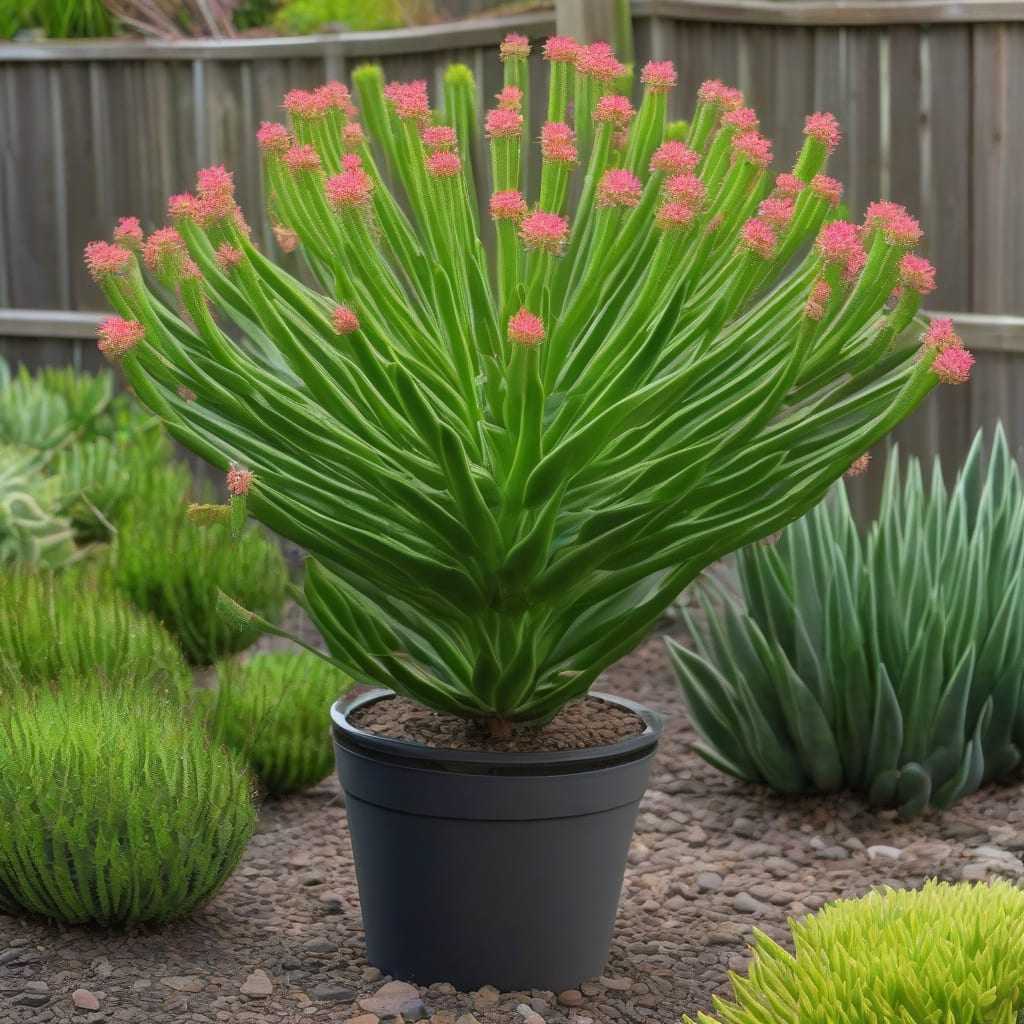
I’ve always been fascinated by the African Milk Tree 🌵, a striking succulent that can add dramatic height to any space. Understanding its growth potential is crucial for proper care.
These plants can grow quite tall – typically reaching heights of 6 to 15 feet – making them a great choice for adding a vertical element to your garden or indoor space in zones like 9b.


African Milk Trees are known for their impressive height, making them a striking addition to any garden or indoor space. Understanding their growth potential is crucial for providing the right care.
The typical height range for African Milk Trees is between 6 to 15 feet, with some specimens growing even taller under optimal conditions. Their growth pattern is characterized by a columnar shape, with multiple branches emerging from the main stem 🔥.
The growth rate of African Milk Trees is considered moderate, with young plants typically growing 2 feet in the first year, 4 feet by the second year, and 6 feet by the third year. As they mature, their growth rate slows down, but they continue to produce new branches and increase in height 🌿.
Several the factors that can influence the height of African Milk Trees include lighting conditions, watering practices, and soil quality. Providing the right balance of these elements is key to achieving optimal growth.
African Milk Trees are succulents, meaning they have adapted to store water in their stems and leaves. This adaptation allows them to thrive in dry conditions but also means they require careful watering to prevent root rot 🌵.
To support healthy growth and maximize height, it’s essential to provide African Milk Trees with bright, indirect light. Direct sunlight can cause the leaves to become scorched, while insufficient light can lead to leggy growth 🌱.
The soil in which African Milk Trees are planted plays a crucial role in their growth. A well-draining potting mix is essential to prevent waterlogged soil, which can lead to root rot. Adding perlite or sand can improve drainage and support healthy root development 🌿.
Watering practices should be adjusted according to the season. During the growing season, African Milk Trees require more frequent watering, while during the dormant season, they need less water. Overwatering is a common mistake that can lead to root rot and stunted growth 💧.
African Milk Trees are generally low-maintenance plants that require minimal care. However, they can be susceptible to pests like mealybugs and spider mites. Regular inspection and appropriate pest control measures can help maintain their health and support continued growth 🐜.
By understanding the factors that influence the height of African Milk Trees and providing the right care, you can enjoy these striking succulents for years to come. Whether you’re a seasoned gardener or a beginner, African Milk Trees are a great addition to any indoor or outdoor space 🌵.
In conclusion, African Milk Trees can grow to be quite tall, with a typical height range of 6 to 15 feet. By providing the right care and conditions, you can support their growth and enjoy their striking appearance for years to come.
The growth and height of African Milk Trees are influenced by several key factors that need to be considered for optimal development. Understanding these elements is crucial for gardeners to provide the best care for their plants 🌿.
Lighting conditions play a significant role in determining the height of African Milk Trees. These plants thrive in bright, indirect light, which promotes healthy growth and development. Direct sunlight can cause scorching, while insufficient light leads to leggy growth 🌱.
For optimal growth, ensure your African Milk Tree receives bright, indirect light and maintain a well-draining soil mix to prevent waterlogged conditions.
Watering practices are another critical factor affecting the growth of African Milk Trees. As succulents, they are adapted to store water in their stems and leaves, making them drought-tolerant. However, this also means they require careful watering to avoid root rot 💧.
The soil quality is equally important, as African Milk Trees need a well-draining potting mix to prevent waterlogged soil conditions. Adding materials like perlite or sand can enhance drainage and support healthy root development 🌿.
Seasonal adjustments in watering are necessary, with more frequent watering during the growing season and less during the dormant season. Overwatering is a common mistake that can lead to root rot and stunted growth 💦.
African Milk Trees are generally low-maintenance but can be susceptible to pests like mealybugs and spider mites. Regular inspection and appropriate pest control measures are essential for maintaining their health and supporting continued growth 🐜.
By understanding and managing these factors, gardeners can create optimal conditions for their African Milk Trees to thrive, achieving the desired height and enjoying their striking appearance for years to come 🌵.
In summary, the height of African Milk Trees is influenced by a combination of lighting conditions, watering practices, and soil quality. By providing the right balance of these elements, you can support healthy growth and maximize their height.
I find that managing the height of African Milk Trees is crucial for maintaining their aesthetic appeal and overall health. Proper pruning and training techniques can help control their height and promote a more balanced growth pattern 🌿.
To start, it’s essential to understand that African Milk Trees can grow quite tall, typically reaching heights of 6 to 15 feet. Regular pruning is necessary to maintain a desired height and encourage branching 🔥.
Start by removing any dead or damaged branches to prevent disease and encourage healthy growth.
Prune the tree to maintain its desired shape and size. Cut back branches to the desired length, making clean cuts just above a node 🌱.
Use stakes or trellises to train the tree to grow in a specific direction or shape. This can help maintain a balanced and visually appealing structure 🌵.
By following these pruning and training tips, you can effectively manage the height of your African Milk Tree and promote healthy, balanced growth. Regular maintenance is key to enjoying these striking succulents for years to come 🌟.
In my experience, pruning African Milk Trees during their dormant season can help minimize stress and promote new growth in the following growing season. It’s also essential to use clean, sharp pruning tools to prevent spreading diseases 🔪.
Overall, with the right pruning and training techniques, you can keep your African Milk Tree at a manageable height while maintaining its natural beauty and promoting continued growth 🌱.
