
Beautiful Plants For Your Interior
Beautiful Plants For Your Interior
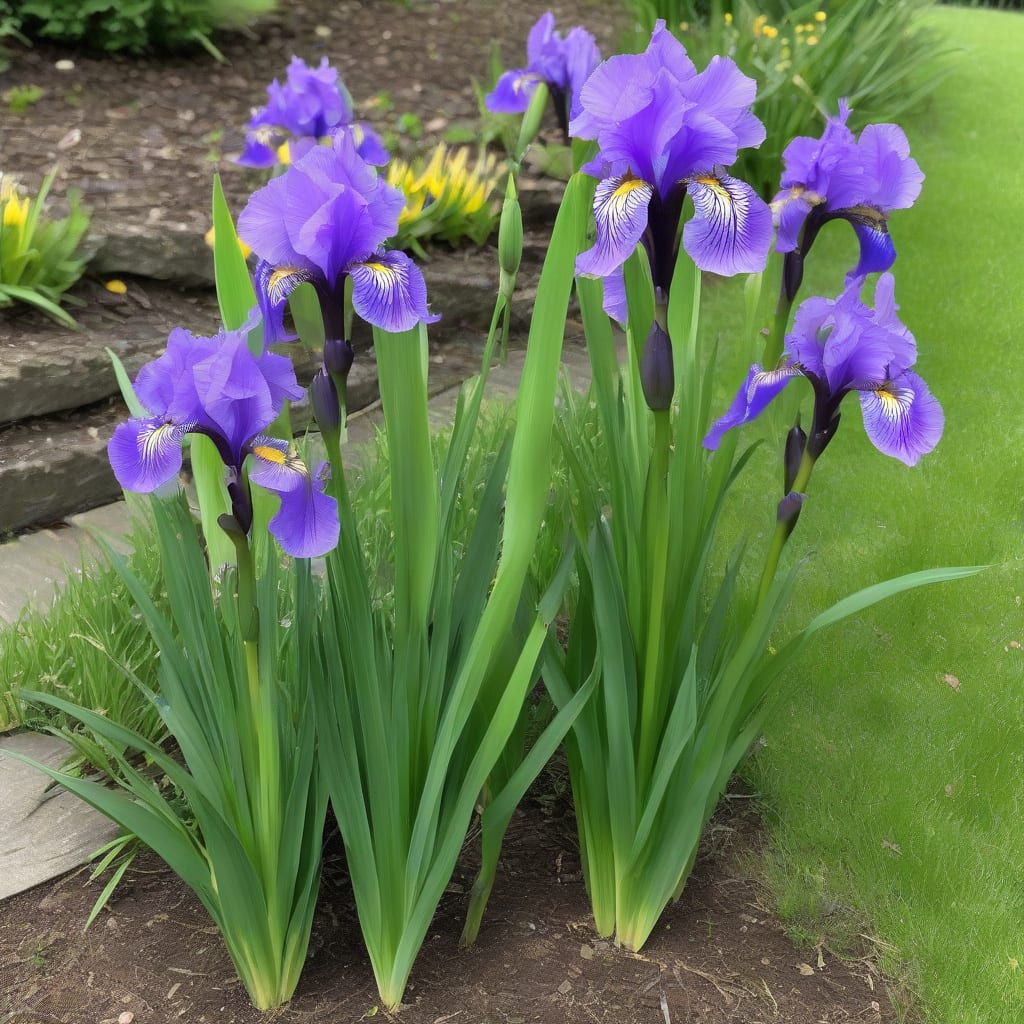
Iris plants 💐 can add stunning beauty to any garden, but their growth can be a mystery to many gardeners. Understanding how tall they can grow is crucial for planning your garden layout.
In USDA Zone 6, Iris plants typically grow between 2-4 feet tall, depending on the variety and growing conditions. Let’s explore the factors that influence their height and how to encourage optimal growth.


Iris plants are known for their stunning blooms and elegant foliage, and understanding the factors that influence their height is crucial for gardeners. The height of iris plants can vary significantly based on several key factors.
Soil quality, sunlight exposure, watering practices, and variety selection all play critical roles in determining how tall irises will grow. Let’s examine these factors more closely to understand their impact.
The soil quality is fundamental to iris growth. Irises prefer well-draining soil that is rich in organic matter. Poor soil conditions can significantly limit their height potential. Ensuring the soil is properly prepared before planting is essential 🌿.
Sunlight exposure is another critical factor. Irises need full sun to thrive, requiring at least 6 hours of direct sunlight daily. Insufficient sunlight can result in weak and spindly growth 🌻.
Watering practices are also vital. While irises are relatively drought-tolerant once established, they benefit from regular watering during their active growth period. Consistent moisture promotes healthier and potentially taller plants 💧.
The variety of iris chosen can also impact the height. Some irises are bred to be taller, while others are naturally dwarf or compact. Selecting the right variety for your garden’s needs is important for achieving the desired height 🌼.
Understanding these factors and how they interact is key to maximizing the height potential of your iris plants. By optimizing these conditions, gardeners can encourage their irises to grow taller and healthier.
It’s also worth noting that different iris varieties have different growth habits. Some may naturally grow taller than others, so choosing the right variety is crucial for achieving the desired height in your garden.
By considering these factors and adjusting your gardening practices accordingly, you can create an optimal environment for your irises to thrive and reach their full height potential.
Regular maintenance, such as dividing and fertilizing, can also contribute to healthier plants and potentially greater height.
In summary, the height of iris plants is influenced by a combination of soil quality, sunlight exposure, watering practices, and variety selection. By understanding and optimizing these factors, gardeners can encourage their irises to grow taller and more vigorously 🌸.
To achieve maximum height with iris plants, gardeners need to focus on several key gardening practices. Proper planting depth, appropriate fertilization, regular deadheading, and timely division are crucial for encouraging taller growth.
Plant iris rhizomes just below the soil surface, ensuring they’re not too deep or too shallow. This helps establish a strong root system.
Use a low-nitrogen fertilizer (like 5-10-10 NPK) after blooming to promote healthy growth without encouraging excessive foliage.
Remove spent flowers to direct the plant’s energy towards rhizome development rather than seed production.
Divide iris clumps every 3-4 years to prevent overcrowding and maintain plant vigor, which supports taller growth.
By implementing these expert gardening tips, you can create an optimal environment for your iris plants to reach their maximum height potential. Each of these practices plays a critical role in supporting healthy growth and maximizing height.
It’s also important to note that different iris varieties may respond differently to these practices. Understanding the specific needs of your iris variety can help you tailor your gardening approach for best results.
Regular maintenance is key to achieving and maintaining maximum height in iris plants. By combining proper planting techniques with ongoing care, you can enjoy taller, healthier irises in your garden 🌼.
Maintaining a consistent gardening routine and monitoring your plants’ response to different practices will help you refine your approach over time.
In conclusion, maximizing iris height requires a combination of proper planting, balanced fertilization, regular deadheading, and timely division. By following these expert tips, you can encourage your irises to grow taller and more vigorously.
Growing irises can be a rewarding experience, but certain common mistakes can significantly limit their growth potential and height. Understanding these pitfalls is crucial for gardeners to maximize their iris plants’ height 🌼.
Overcrowding and poor soil conditions are common mistakes that can stunt iris growth. Ensure proper spacing and soil quality to promote healthy growth.
Overcrowding is a significant issue that can limit iris growth. When irises are planted too closely together, they compete for resources such as water, nutrients, and sunlight. This competition can result in weaker and shorter plants. To avoid this, ensure that irises are given sufficient space to grow 🌻.
Poor soil conditions are another critical factor. Irises require well-draining soil to prevent root rot and ensure healthy growth. Soil that is too heavy or retains too much water can lead to root problems, stunting the plant’s growth. Amending the soil with organic matter can improve drainage and fertility 💧.
Inadequate sunlight can also be a limiting factor. Irises need full sun to thrive, and anything less can result in leggy growth and reduced flowering. Ensuring that irises receive adequate sunlight is essential for maximizing their height potential ☀️.
Improper watering practices can further impact iris height. While irises need regular watering during their growth period, overwatering can lead to root rot. Conversely, underwatering can stress the plants, limiting their growth. Finding the right balance is key to supporting healthy iris development 🌱.
By avoiding these common mistakes, gardeners can create an optimal environment for their irises to grow taller and healthier. Proper spacing, soil preparation, adequate sunlight, and balanced watering practices are all crucial for maximizing iris height 🌸.
