
Beautiful Plants For Your Interior
Beautiful Plants For Your Interior
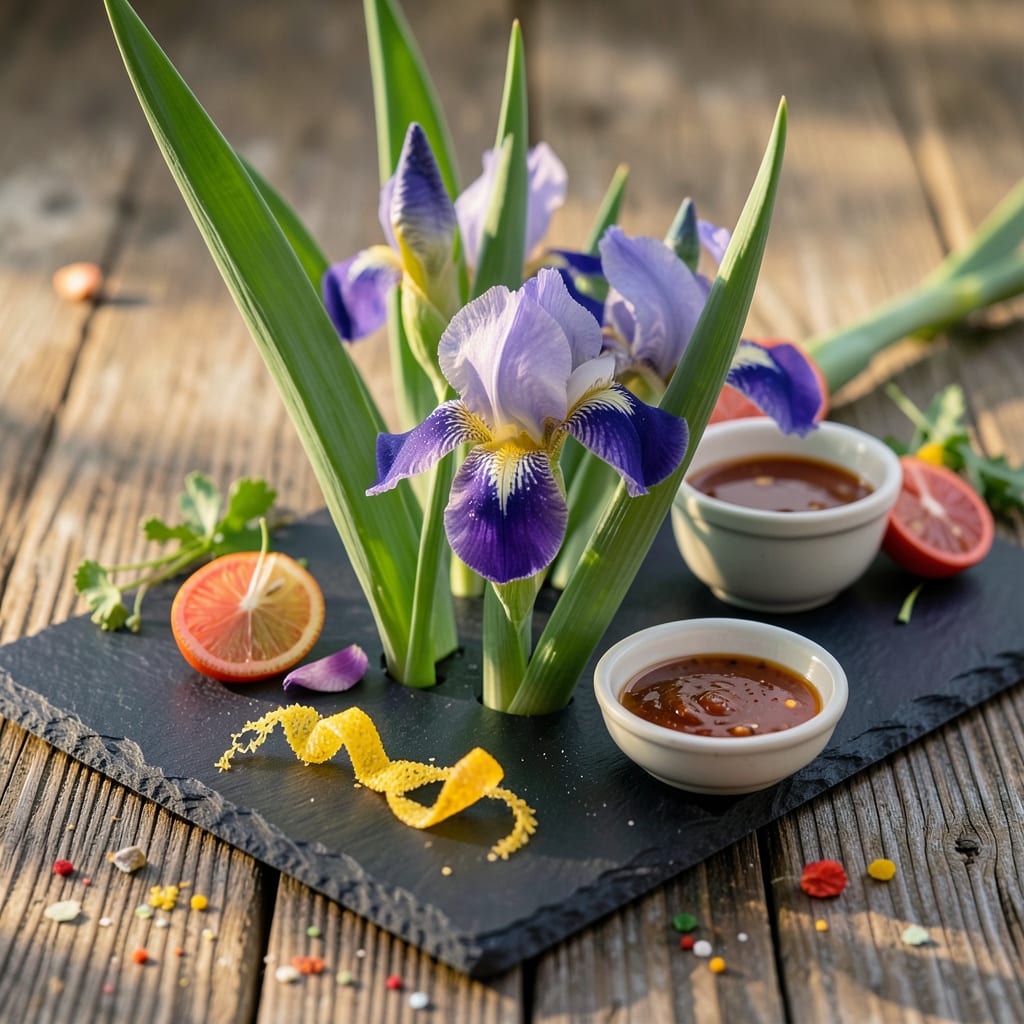
Fertilizing your Iris 💐 plants at the right time is crucial for vibrant blooms. In USDA Zone 6, timing is everything to maximize their display.
I’ll guide you through the best times to fertilize, helping you understand when to feed your Iris plants for optimal growth and flowering. Let’s get started with the basics of Iris fertilization.

Fertilizing Iris plants at the right time is crucial for their growth and blooming. In USDA Zone 6, the best time to fertilize is after they finish blooming. This usually occurs in late spring to early summer.
I recommend using a low-nitrogen, high-phosphorus fertilizer to promote healthy root development and flowering. The ideal NPK ratio for Iris plants is 5-10-10. Applying fertilizer at the correct time ensures that your Iris plants receive the necessary nutrients for optimal growth.
The key fertilization period for Iris plants is immediately after they finish blooming. This timing supports the plants’ natural cycle and promotes healthy growth. 🌼
For optimal results, apply 1 tablespoon of 5-10-10 fertilizer per rhizome. This will provide the necessary nutrients without over-fertilizing.
It’s also important to note that Iris plants do not require fertilization during their dormant period. Avoid fertilizing during the winter months when the plants are not actively growing.
Proper soil preparation is another critical factor in the health of your Iris plants. Ensure the soil is well-draining and rich in organic matter. This will help support the plants’ nutrient needs and overall health.
In addition to fertilization, regular watering is essential during the growing season. Keep the soil moist, but be cautious of overwatering, which can lead to root rot.
Monitoring your Iris plants’ health throughout the growing season is vital. Look for signs of nutrient deficiencies or pests, and address any issues promptly to maintain plant health.
By following these guidelines, you can ensure your Iris plants receive the care they need to thrive. Proper fertilization and care will result in vibrant blooms and healthy plants year after year. 💐
For more detailed information on caring for Iris plants, including tips on dividing and replanting, refer to additional resources. This will help you maintain a healthy and flourishing Iris garden.
Remember, the key to successful Iris cultivation is understanding their growth cycle and providing the appropriate care at the right times. With the right fertilization schedule and care practices, your Iris plants will reward you with stunning blooms.
Fertilizing Iris plants effectively is crucial for achieving better blooms. I recommend using a low-nitrogen, high-phosphorus fertilizer to promote healthy root development and flowering. The ideal NPK ratio for Iris plants is 5-10-10. This type of fertilizer provides the necessary nutrients for optimal growth and blooming.
Apply 1 tablespoon of 5-10-10 fertilizer per rhizome after blooming to support root development and next year’s blooms. Avoid over-fertilizing, as this can damage the plants.
When applying fertilizer, it’s essential to follow the recommended application rates to avoid over-fertilization. Over-fertilizing can lead to weak growth and fewer blooms. Instead, focus on providing the necessary nutrients for healthy growth and flowering.
Soil preparation is also critical when fertilizing Iris plants. Ensure the soil is well-draining and rich in organic matter. This will help support the plants’ nutrient needs and overall health.
In addition to fertilization, regular watering is vital during the growing season. Keep the soil moist but not waterlogged, as overwatering can lead to root rot.
Monitoring your Iris plants’ health throughout the growing season is crucial. Look for signs of nutrient deficiencies or pests, and address any issues promptly to maintain plant health.
By following these guidelines and using the right fertilizer, you can promote healthy growth and vibrant blooms in your Iris plants. Proper fertilization and care will result in stunning displays year after year. 💐
For more detailed information on caring for Iris plants, including tips on dividing and replanting, refer to additional resources. This will help you maintain a healthy and flourishing Iris garden.
Remember, the key to successful Iris cultivation is understanding their growth cycle and providing the appropriate care at the right times. With the right fertilization schedule and care practices, your Iris plants will reward you with beautiful blooms.
Fertilizing Iris plants can be straightforward, but gardeners often make mistakes that can harm their plants. One common error is fertilizing at the wrong time. Iris plants should be fertilized after they finish blooming, not during the blooming period.
Avoid fertilizing Iris plants during their dormant period. This can cause unnecessary stress to the plants and lead to poor growth.
Another mistake is using the wrong type of fertilizer. Iris plants require a low-nitrogen, high-phosphorus fertilizer to promote healthy root development and flowering. Using a fertilizer with too much nitrogen can lead to weak growth and fewer blooms.
Over-fertilizing is also a common mistake that can damage Iris plants. Apply 1 tablespoon of 5-10-10 fertilizer per rhizome after blooming to support root development and next year’s blooms.
To avoid these mistakes, monitor your Iris plants’ health throughout the growing season. Look for signs of nutrient deficiencies or pests, and address any issues promptly to maintain plant health. 🌿
By being aware of these common mistakes and taking steps to avoid them, you can ensure your Iris plants receive the care they need to thrive. Proper fertilization and care will result in vibrant blooms and healthy plants year after year. 💐
A low-nitrogen, high-phosphorus fertilizer with an NPK ratio of 5-10-10 is recommended to promote healthy root development and flowering. This type of fertilizer provides the necessary nutrients for optimal growth and blooming. Using the right fertilizer type will help your Iris plants thrive.
Fertilize your Iris plants once after they finish blooming, typically in late spring to early summer. Avoid fertilizing during the blooming period or when the plants are dormant. This will support root development and next year’s blooms.
No, it’s best to avoid fertilizing Iris plants during their dormant period, as this can cause unnecessary stress and lead to poor growth. Instead, wait until after they finish blooming to fertilize. This will help maintain plant health.
Apply 1 tablespoon of 5-10-10 fertilizer per rhizome after blooming. This will provide the necessary nutrients without over-fertilizing, supporting healthy growth and flowering. Be cautious not to over-fertilize, as this can damage the plants.
