
Beautiful Plants For Your Interior
Beautiful Plants For Your Interior
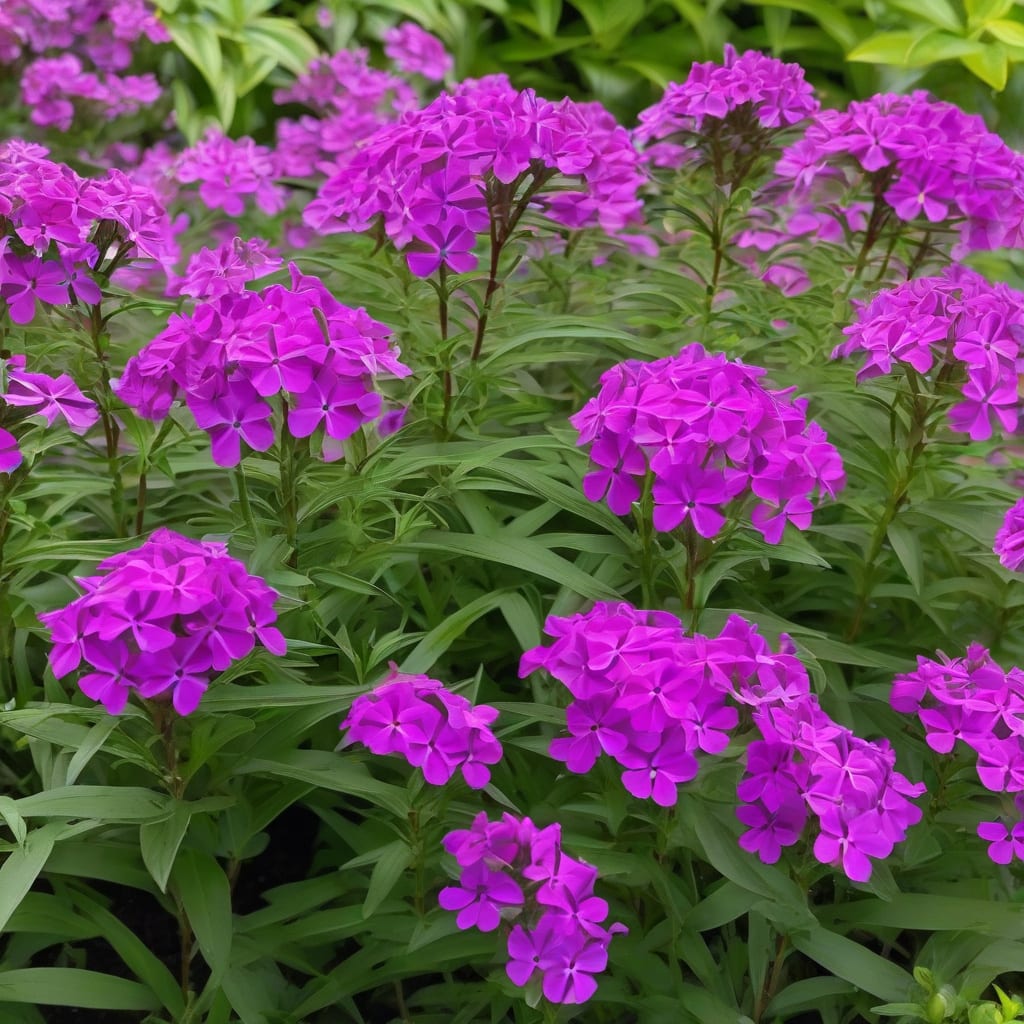
When I first planted 💐 Phlox in my garden, I wondered how tall they’d grow. Understanding their height is crucial for optimal placement and care.
Phlox plants can grow between 2-4 feet tall, depending on the variety and growing conditions in USDA Zone 6. Let’s explore what affects their growth and how to make the most of these beautiful flowers.


When considering phlox plants for your garden, understanding their potential height is crucial for optimal placement and design. Different species and cultivars of phlox exhibit varying growth habits, ranging from low-growing creeping varieties to taller garden phlox.
The height of phlox plants can significantly impact garden layout and maintenance. Knowing what to expect helps gardeners plan effectively and create beautiful, balanced landscapes.
Phlox plants generally grow between 2-4 feet tall, with some varieties being significantly shorter. The height variation is largely due to the specific type of phlox and growing conditions. For instance, creeping phlox remains low to the ground, typically reaching heights of 4-6 inches, making it ideal for ground cover or rock gardens.
Garden phlox, on the other hand, is known for its more substantial growth, often reaching heights of 2-4 feet. This makes it a popular choice for adding height and color to garden borders. The woodland phlox falls somewhere in between, usually growing to be around 1-2 feet tall.
The growth rate of phlox can also influence their final height. Fast-growing varieties can quickly reach their maximum height, while slower-growing types may take longer to mature. Factors such as soil quality, sunlight, and watering practices also play a significant role in determining the ultimate height of phlox plants.
Understanding these factors helps gardeners make informed decisions about plant placement and care. Proper care and maintenance can ensure that phlox plants reach their full potential height and contribute to a vibrant garden display 🌼.
Different phlox species have unique growth characteristics that affect their height. For example, moss phlox is another low-growing variety, similar to creeping phlox, and is often used in rock gardens and as a ground cover. The tall garden phlox is a popular choice for the back of borders due to its height and impressive flower display.
Gardeners should consider the mature height of phlox plants when planning their garden layout. This ensures that taller plants don’t overshadow smaller ones and that ground covers are used effectively to fill in spaces.
By understanding the potential height of different phlox varieties, gardeners can create a more harmonious and visually appealing garden. This knowledge also aids in planning for proper spacing and support if needed, especially for taller varieties that may require staking to prevent them from falling over.
In summary, the height of phlox plants varies widely among different species and cultivars. By selecting the right type for your garden and providing appropriate care, you can enjoy these beautiful plants at their best 🌺.
The height of phlox plants can be influenced by several key factors. Understanding these elements helps gardeners optimize growing conditions and achieve the best possible results in their gardens 🌼.
Soil quality plays a crucial role in determining phlox height. Plants grown in well-draining, nutrient-rich soil tend to perform better and reach their maximum potential height.
Different growing conditions can significantly impact phlox height. For example, plants receiving full sun typically grow more robustly than those in partial shade.
Pruning practices also affect phlox height. Regular pruning can help control plant height and promote bushier growth 🌱.
By understanding and managing these factors, gardeners can optimize their phlox plants’ growth and achieve the desired height in their garden.
Proper spacing between plants is another critical factor. Overcrowding can lead to reduced air circulation and increased risk of disease, potentially stunting growth.
Regular maintenance, including deadheading spent flowers, can also contribute to healthier plants and more vigorous growth.
In conclusion, multiple factors influence the height of phlox plants. By carefully managing these elements, gardeners can create optimal growing conditions for their phlox 🌺.
Managing phlox height is crucial for maintaining a visually appealing and healthy garden. By implementing proper techniques, you can control the height of your phlox plants and promote vigorous growth 🌼.
Prune your phlox plants in early spring to control height and encourage bushy growth. Cut back stems to about 1/3 of their height to promote new growth.
Pruning is an effective method for managing phlox height. By cutting back the stems, you can control the overall height of the plant and encourage a fuller, more robust growth pattern 🌱.
Staking is another technique used to manage phlox height, particularly for taller varieties. Providing support helps prevent the plants from falling over due to their height or weight.
When planting phlox, consider their mature height and growth habits. Proper placement in the garden ensures that taller plants don’t overshadow smaller ones, creating a balanced landscape 🌺.
Regular maintenance, including deadheading spent flowers, contributes to healthier plants and more vigorous growth. This practice also encourages the plant to focus its energy on producing new blooms rather than seed production.
By combining these techniques, you can effectively manage the height of your phlox plants and enjoy a vibrant, well-structured garden display 🌼.
