
Beautiful Plants For Your Interior
Beautiful Plants For Your Interior
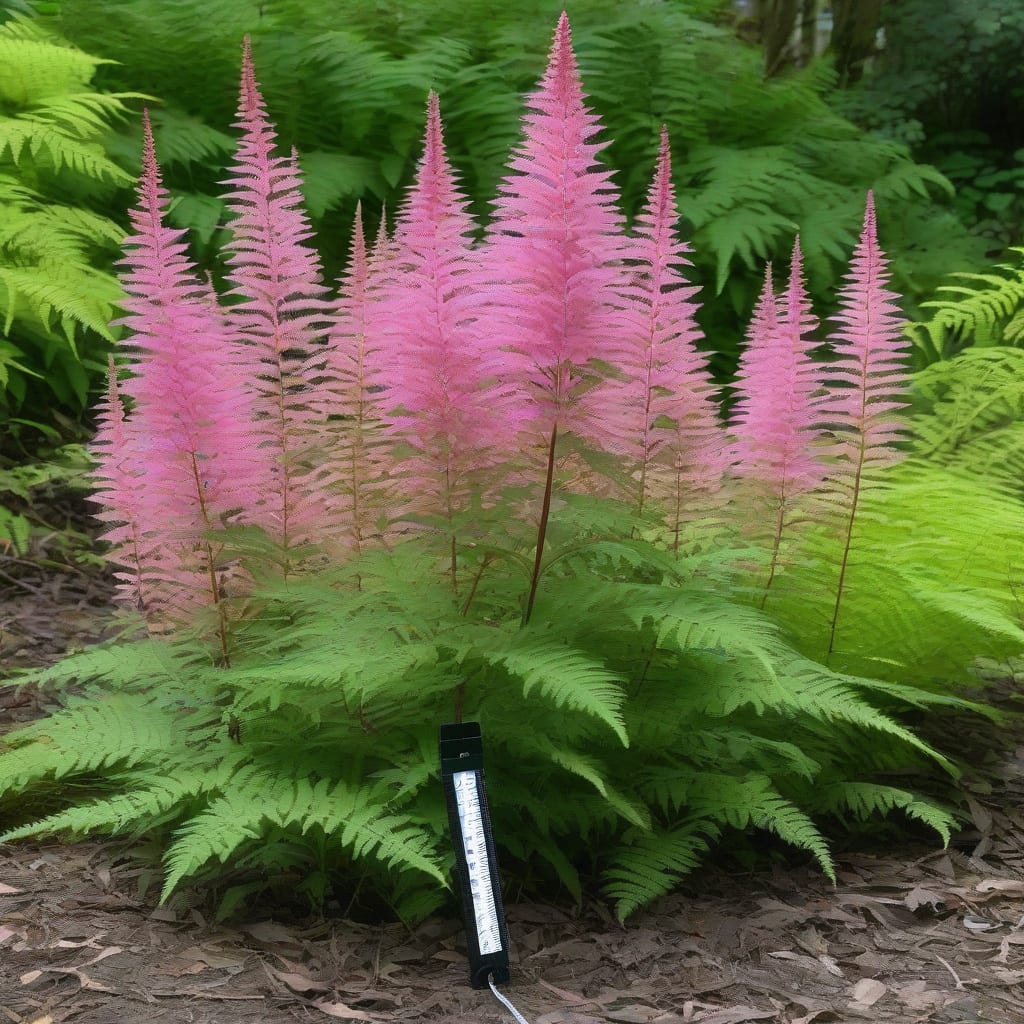
Astilbe plants 💐 bring elegant, feathery plumes to shade gardens, but understanding their growth habits is crucial for proper placement. In USDA Zone 6, these beautiful perennials can thrive with the right care.
I’ve found that knowing how tall Astilbe plants can grow helps in planning garden layouts. Let’s explore the factors that influence their height and how to make the most of these stunning flowers.


Astilbe plants are known for their elegant, feathery plumes that add beauty to shade gardens. Understanding their growth habits is crucial for proper placement. Different Astilbe varieties have distinct height ranges, from compact selections to tall stately plants that can reach up to 4 feet or more in ideal conditions.
The height of Astilbe plants can vary significantly based on the specific variety. Some compact varieties may grow to be around 1-2 feet tall, while others can reach heights of 3-4 feet. Knowing the expected height of your Astilbe variety helps in planning your garden layout effectively 🌼.
Astilbe plants typically take a few years to reach their full height. In the first year, they may grow to be around 1-2 feet tall. By the second year, they can reach 2-3 feet, and by the third year, they can achieve their mature height of 2-4 feet. This growth pattern is typical for many perennial plants 🌱.
Understanding the growth pattern of Astilbe is essential for garden planning. It allows gardeners to choose the right varieties for their garden design and provides insights into how to care for these plants to promote healthy growth.
Factors Influencing Astilbe Height include soil quality, light exposure, watering, and fertilization. Astilbe plants prefer rich, moist soil and partial shade to thrive. Proper care can significantly impact their growth and overall health.
Astilbe plants are generally low maintenance and can add a dramatic touch to shaded garden areas. Their feathery plumes come in various colors, including pink, red, and white, adding visual interest to any garden.
When selecting Astilbe varieties, consider the mature height and growth habits to ensure they fit well in your garden design. This consideration helps in creating a balanced and visually appealing garden landscape.
Proper Care for Astilbe includes regular watering, especially during dry spells, and fertilizing in spring with a balanced fertilizer. Mulching around the plants helps retain moisture and suppress weeds.
Astilbe plants are also known for their attractive foliage, which can add texture and interest to the garden even after the flowering period. Their foliage can range from bronze to deep green, providing a beautiful backdrop for other plants.
In conclusion, Astilbe plants offer a range of heights and growth habits, making them versatile for various garden designs. By understanding their growth expectations and providing proper care, gardeners can enjoy these beautiful perennials for years to come 💐.
Astilbe plants are known for their elegant, feathery plumes that add beauty to shade gardens. Understanding the factors that affect their height is crucial for proper placement and care.
The height of Astilbe plants can be influenced by several factors, including soil quality, light exposure, watering, and fertilization. Astilbe plants prefer rich, moist soil and partial shade to thrive.
To maximize Astilbe height, ensure proper care by providing rich soil, adequate moisture, and appropriate light exposure.
Soil Quality plays a significant role in Astilbe growth. These plants thrive in rich, organic soil that retains moisture but drains well. Amending the soil with compost can improve its fertility and drainage, promoting healthy growth.
Light Exposure is another critical factor. Astilbe plants prefer partial shade, especially in warmer climates, to prevent scorching. In cooler climates, they can tolerate more sun, but still require some shade.
Watering is essential for Astilbe plants. They require consistent moisture, especially during dry spells. Mulching around the plants helps retain soil moisture and suppress weeds.
Fertilization can also impact Astilbe height. Feeding them with a balanced fertilizer in spring promotes healthy growth and maximizes their potential height.
By understanding and managing these factors, gardeners can optimize the growth of their Astilbe plants and enjoy their beautiful plumes for years to come 🌼.
Astilbe plants are generally low maintenance and can add a dramatic touch to shaded garden areas. Their feathery plumes come in various colors, including pink, red, and white, adding visual interest to any garden.
In conclusion, the height of Astilbe plants is influenced by a combination of factors including soil quality, light exposure, watering, and fertilization. By providing the right conditions and care, gardeners can promote healthy growth and maximize the height of these beautiful perennials.
When planning your garden, selecting the appropriate Astilbe height is crucial for creating a balanced and visually appealing landscape. Astilbe plants come in various heights, ranging from compact varieties to tall, stately plants 🌼.
To choose the right Astilbe height, consider your garden’s specific conditions and design. For shaded areas, Astilbe can add dramatic touches with their feathery plumes. The height of Astilbe plants can significantly impact the overall aesthetic of your garden.
By thoughtfully selecting Astilbe varieties based on their mature height and growth habits, you can create a garden that is both beautiful and well-balanced. Astilbe plants are generally low maintenance and can thrive in the right conditions.
Astilbe plants are known for their attractive foliage and feathery plumes, which come in various colors, including pink, red, and white. Their versatility makes them an excellent choice for adding visual interest to shaded garden areas.
Incorporating Astilbe into your garden design not only enhances its aesthetic appeal but also provides a dramatic touch to shaded areas. With proper care, Astilbe plants can be a long-lasting addition to your garden 🌸.
