
Beautiful Plants For Your Interior
Beautiful Plants For Your Interior
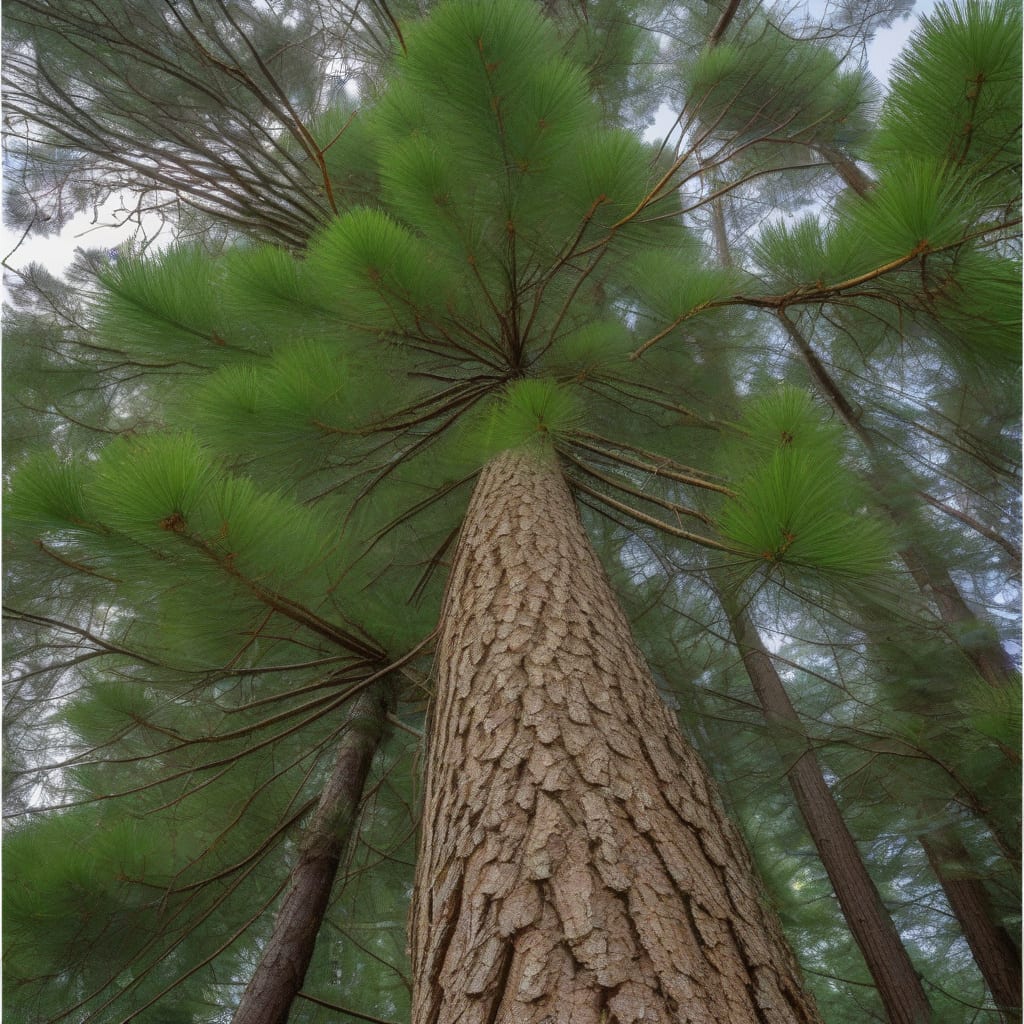
I’ve always been fascinated by the majestic White Pine 🌲, known for its impressive height and year-round beauty. Growing in USDA Zone 6, these trees can reach remarkable heights, transforming landscapes with their presence.
Understanding how tall White Pines can grow helps you make informed decisions about planting and caring for these magnificent trees. Let’s explore their growth potential and what factors influence their ultimate height.


I’ve found that White Pine tree height is influenced by a combination of environmental and genetic factors. Understanding these factors helps gardeners and landscapers make informed decisions about planting and caring for these magnificent trees 🌲.
The height of White Pine trees can be affected by various factors including soil quality, climate, spacing, and genetics. Let’s take a closer look at how these factors impact tree height.
Soil quality plays a crucial role in determining White Pine height. Trees growing in well-draining soil with adequate nutrients tend to reach their maximum height potential. Poor soil conditions can limit growth, resulting in shorter trees 🌱.
Climate is another significant factor affecting White Pine height. Trees growing in moderate climates Conversely,
Extreme conditions such as drought or excessive cold can limit height. For example, White Pines growing in areas with frequent droughts may not reach their full height potential 🌿.
Proper spacing is essential for allowing White Pines to reach their maximum height. Trees planted too close together may compete for resources, resulting in reduced growth and shorter trees 🌲.
Genetic factors also play a significant role in determining White Pine height. Different species have inherent growth patterns that influence their ultimate height. For instance, some White Pine species are naturally taller than others 🌳.
By understanding these factors, gardeners and landscapers can make informed decisions about planting and caring for White Pine trees. Providing optimal growing conditions can help these trees reach their full height potential and thrive in the landscape 🌲.
White Pine trees can live for many years, and their height can continue to increase over time. Factors such as soil quality, climate, and genetics continue to influence growth throughout the tree’s life 🌱.
In conclusion, the height of White Pine trees is influenced by a combination of environmental and genetic factors. By understanding these factors, gardeners and landscapers can optimize growing conditions to promote healthy growth and maximum height 🌲.
I’ve always been amazed by the impressive height that White Pine trees can achieve. Understanding their average and maximum height helps gardeners and landscapers plan their landscapes effectively 🌲.
White Pine trees are known for their towering presence, with different species exhibiting varying height ranges. Let’s explore the typical height ranges for different White Pine species and some exceptional growth cases.
Typically grows to 50-80 feet tall, with some specimens reaching up to 150 feet in ideal conditions.
Can grow to 50-100 feet tall, with exceptional trees reaching heights of over 120 feet.
Optimal growing conditions, including adequate moisture, well-draining soil, and full sun, can help White Pines reach their maximum height potential 🌳.
The average height of White Pine trees varies depending on the species and growing conditions. While some trees may reach exceptional heights, others may remain shorter due to environmental factors 🌲.
Exceptional growth cases are often seen in trees growing in ideal conditions, with ample space, optimal soil quality, and favorable climate conditions 🌳.
Understanding the average and maximum height of White Pines helps gardeners and landscapers plan their landscapes effectively, ensuring that these magnificent trees have enough space to grow and thrive 🌲.
By considering the height potential of White Pines, you can create a beautiful and balanced landscape that showcases these trees’ natural beauty 🌳.
In conclusion, White Pine trees can grow to impressive heights, with different species exhibiting varying height ranges. By understanding their average and maximum height, you can make informed decisions about planting and caring for these trees 🌲.
I understand that managing White Pine height is crucial for effective landscaping. Proper management ensures these magnificent trees have enough space to grow while maintaining a balanced landscape 🌲.
White Pine trees can grow quite tall, and their height needs to be managed to prevent them from becoming too large for their surroundings. Let’s explore some strategies for managing White Pine height.
Prune White Pines regularly to maintain their shape and promote healthy growth. Remove any dead or damaged branches to prevent disease and encourage new growth 🌿.
Pruning is an effective way to manage White Pine height. By pruning regularly, you can maintain the tree’s shape and promote healthy growth. It’s essential to remove any dead or damaged branches to prevent disease and encourage new growth 🌳.
Another strategy for managing White Pine height is to consider their growth rate when planting. White Pines can grow 1-2 feet per year, so it’s essential to plan for their mature size when selecting a planting location 🌲.
In addition to pruning and considering growth rate, you can also use growth management strategies such as thinning and training to control White Pine height. These techniques can help maintain a balanced landscape and prevent the trees from becoming too large 🌳.
By understanding how to manage White Pine height, you can create a beautiful and balanced landscape that showcases these trees’ natural beauty 🌲.
