
Beautiful Plants For Your Interior
Beautiful Plants For Your Interior
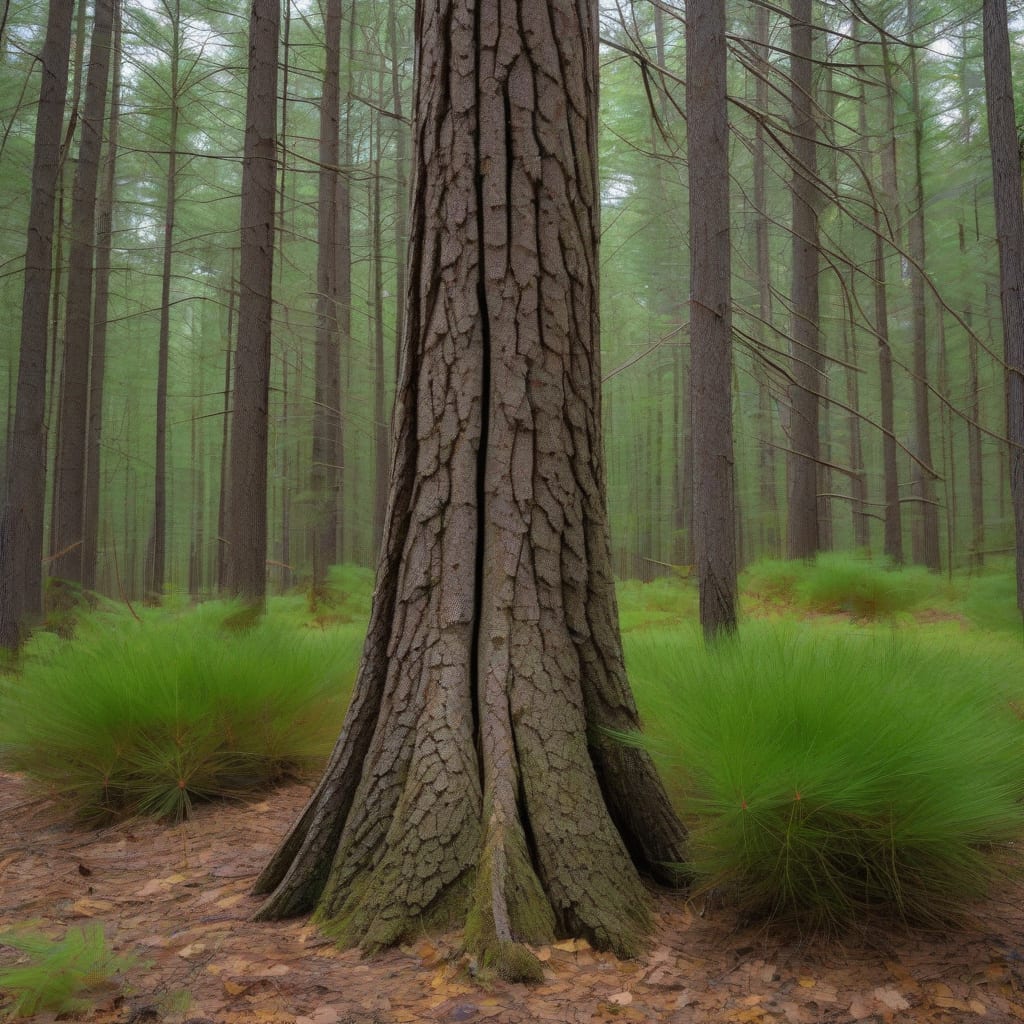
I’ve always been fascinated by the majestic Eastern White Pine 🌲, known for its impressive height and elegant appearance. These trees are a common sight in many landscapes, particularly in USDA zones 3-8 where they thrive.
Understanding how tall Eastern White Pines can grow is crucial for planning your landscape or forest management. Let’s explore their growth potential and what factors influence their height.


Eastern white pines are known for their impressive height, making them a standout in many landscapes. These trees can grow to be quite tall, with some specimens reaching heights of over 150 feet in ideal conditions 🌲.
The average height range for mature eastern white pines is typically between 50 to 100 feet, with some exceptional trees growing even taller. The height potential of these trees is influenced by various factors, including soil quality, climate conditions, and available space.
The growth rate of eastern white pines is particularly rapid when they are young, often growing 2-3 feet per year. As they mature, their growth rate slows down, but they continue to add significant height over time.
Factors such as soil quality, climate conditions, and available space play a crucial role in determining the maximum height potential of eastern white pines. Trees growing in optimal conditions with plenty of space to develop are more likely to reach their full height potential.
In ideal environments, eastern white pines can live for 200-300 years, providing ample time for them to reach their mature height. Their longevity and impressive size make them a significant presence in any landscape.
Eastern white pines are not only notable for their height but also for their wide canopy and soft needles, which give them a graceful appearance. Their size and aesthetic qualities make them a popular choice for large landscapes and reforestation projects.
When considering planting eastern white pines, it’s essential to understand their growth habits and space requirements. These trees can become quite large, so they need plenty of room to grow without encroaching on other plants or structures.
The maximum height potential of eastern white pines is an important consideration for both forestry management and landscape design. Understanding these trees‘ growth patterns helps in planning and maintaining healthy, thriving stands.
Eastern white pines are known for their straight trunks and regular branching patterns, which contribute to their impressive height. Their ability to grow tall and maintain a relatively straight profile makes them valuable for timber production.
Overall, eastern white pines are remarkable trees with significant height potential. Their growth habits and size make them an important species in many ecosystems and landscapes.
By understanding the factors that influence their height, such as soil conditions and climate, we can better manage and appreciate these magnificent trees 🌳.
The height growth of eastern white pines is influenced by a combination of environmental and genetic factors. Understanding these factors is crucial for optimizing the growth and health of these magnificent trees 🌲.
Several key elements play a significant role in determining the height potential of eastern white pines. These include soil quality, climate conditions, spacing between trees, and maintenance practices.
By understanding and managing these factors, you can create optimal conditions for your eastern white pines to reach their full height potential 🌳.
Eastern white pines growing in favorable conditions can develop a strong, straight trunk and a well-structured canopy, maximizing their height growth. Regular monitoring and appropriate management practices are essential for maintaining tree health.
The genetic makeup of eastern white pines also plays a role in their height growth. Some trees are naturally predisposed to grow taller than others, making tree selection important for specific landscaping goals.
In addition to genetic factors, environmental stressors such as extreme weather events, pollution, and competition from other vegetation can impact the height growth of eastern white pines. Mitigating these stressors can help promote healthier, taller trees.
Overall, the height growth of eastern white pines is a complex process influenced by multiple factors. By understanding and addressing these factors, you can help your trees achieve their maximum height potential 🌲.
When incorporating eastern white pines into your landscape design, managing their height is crucial for maintaining a balanced and aesthetically pleasing environment 🌳.
Effective height management involves a combination of pruning techniques and growth management strategies. Regular pruning helps control the tree’s height while maintaining its natural shape and promoting healthy growth.
Prune eastern white pines in late winter or early spring to maintain shape and control height. Remove lower branches to create a clear trunk and improve air circulation.
Different landscape uses require different height management approaches. For example, if you’re using eastern white pines as a windbreak or privacy screen, you may want to maintain a denser, more uniform height.
In contrast, if you’re featuring eastern white pines as specimen trees, you might focus on maintaining their natural shape and allowing them to reach a more mature height. This approach showcases their graceful form and impressive size 🌲.
Understanding the growth rate of eastern white pines is essential for effective height management. These trees can grow 2-3 feet per year when young, so regular monitoring is necessary to maintain the desired height.
By combining proper pruning techniques with thoughtful growth management strategies, you can effectively manage the height of eastern white pines in your landscape, ensuring they remain healthy and visually appealing 🌳.
