
Beautiful Plants For Your Interior
Beautiful Plants For Your Interior
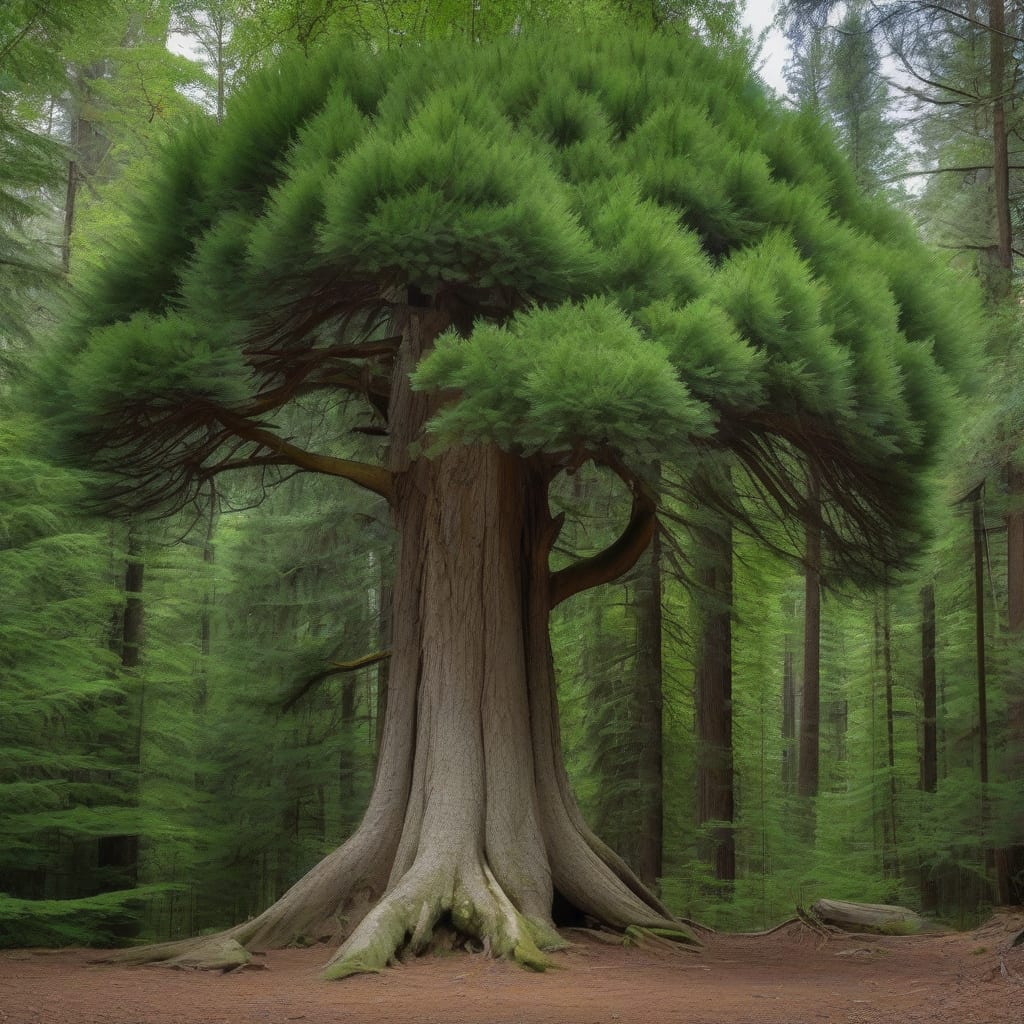
I’ve always been fascinated by the majestic White Cedar Tree 🌳, known for its elegant conical shape and evergreen foliage. Understanding how tall these trees can grow is essential for gardeners and landscapers planning their outdoor spaces.
White Cedar Trees can reach impressive heights, typically growing between 40 to 60 feet tall. Factors such as soil quality, climate, and sunlight exposure all play a role in determining their maximum height. Let’s explore what influences their growth and how to care for them.

I’ve found that several key factors influence the height growth of White Cedar Trees. These include soil quality, climate conditions, sunlight exposure, and genetic variations. Understanding these elements is crucial for gardeners and landscapers aiming to optimize tree growth 🌳.
The growth potential of White Cedar Trees is significantly affected by their environment. For instance, trees growing in well-draining soil with adequate moisture tend to grow taller than those in poor soil conditions. Similarly, climate conditions such as temperature and precipitation levels play a critical role in determining the maximum height of these trees.
The soil quality is particularly important as it affects the tree’s root system. White Cedar Trees thrive in soil that is rich in organic matter and has good drainage. This allows the roots to grow deep and support the tree’s vertical growth. 🌿
Climate conditions also play a significant role. White Cedar Trees prefer cool, moist climates with adequate rainfall. In such conditions, they can grow more vigorously and reach their maximum potential height. Areas with harsh winters or dry summers may limit their growth.
Sunlight exposure is another critical factor. While White Cedar Trees can tolerate some shade, they generally grow taller in full sun to partial shade. This balance allows for optimal photosynthesis, supporting their growth.
Finally, genetic variations among different species of White Cedar Trees can influence their height. Some species naturally grow taller than others, so it’s essential to understand the specific characteristics of the tree you are growing.
By considering these factors, gardeners can create optimal conditions for their White Cedar Trees to grow tall and healthy. Proper care and attention to these details can make a significant difference in the tree’s overall height and health.
White Cedar Trees are known for their adaptability and resilience, making them a popular choice for landscaping. With the right conditions and care, they can become a stunning feature in any garden or landscape 🌳.
In summary, the height growth of White Cedar Trees is influenced by a combination of environmental and genetic factors. By understanding and managing these factors, gardeners can help their trees reach their full potential.
I’ve found that White Cedar Trees typically grow between 40 to 60 feet tall, with some exceptional specimens reaching even greater heights. The average height range varies depending on the specific species and growing conditions 🌳.
Different species of White Cedar Trees have distinct growth patterns. For example, the Eastern White Cedar and Northern White Cedar are two common species with varying height potentials. Understanding these differences is essential for gardeners and landscapers to make informed decisions.
The height of White Cedar Trees can be compared to other coniferous trees. For instance, they are generally shorter than Redwood Trees but taller than Dwarf Conifers. This comparison helps in understanding their growth potential relative to other species 🌲.
Eastern White Cedar typically grows to an average height of 40 to 50 feet, with a maximum height of around 60 feet under ideal conditions. In contrast, Northern White Cedar can reach average heights of 50 to 60 feet and maximum heights of up to 70 feet.
Factors such as soil quality, climate conditions, and sunlight exposure significantly influence the height of White Cedar Trees. By optimizing these factors, gardeners can help their trees achieve their maximum growth potential 🌿.
In summary, White Cedar Trees are known for their impressive height, with different species exhibiting varying growth patterns. By understanding these patterns and the factors that influence their growth, gardeners can make informed decisions about planting and caring for these trees.
With proper care and attention, White Cedar Trees can become a stunning feature in any garden or landscape, providing beauty and structure for years to come 🌳.
To maximize the height of White Cedar Trees, gardeners should focus on creating optimal growing conditions. This includes proper planting techniques, regular maintenance, and being aware of common growth challenges 🌳.
First, it’s essential to plant White Cedar Trees in a location that receives full sun to partial shade. This ensures they get enough sunlight for photosynthesis while avoiding excessive stress from too much direct sun 🌞.
Ensure the soil is well-draining and rich in organic matter to support healthy root development.
Proper watering is also crucial. White Cedar Trees prefer consistent moisture, especially during their first year. Water them regularly, but avoid overwatering, which can lead to root rot 💧.
Regular maintenance includes mulching around the base to retain moisture and suppress weeds. This helps reduce stress on the tree and promotes healthy growth 🌿.
By following these tips and being mindful of the factors that influence White Cedar Tree growth, gardeners can help their trees achieve their maximum height potential. With the right care, these trees can become a beautiful and lasting addition to any landscape 🌳.
