
Beautiful Plants For Your Interior
Beautiful Plants For Your Interior
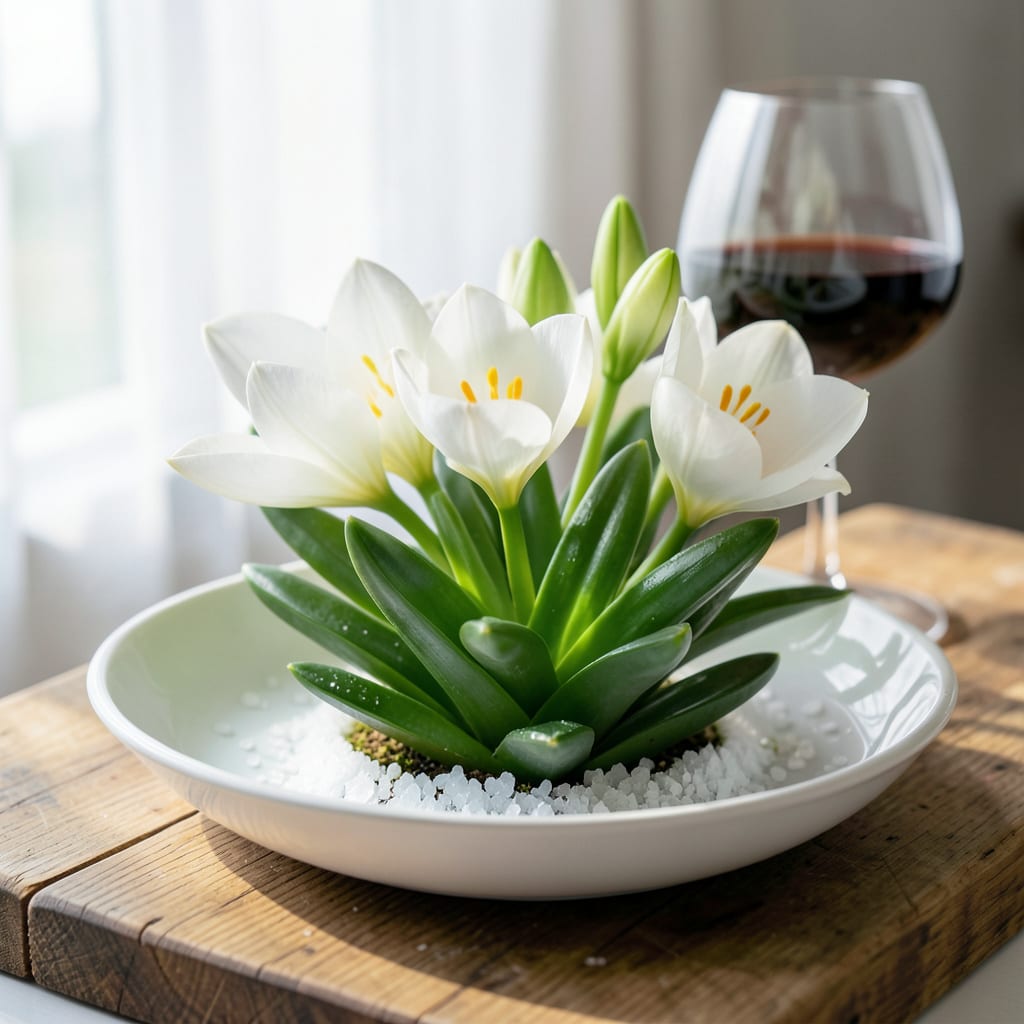
As spring arrives, my Agapanthus 💐 plants start to stir, and I know it’s time to give them the nutrients they need to thrive. Fertilizing at the right moment can make all the difference in their blooming performance.
In USDA Zone 6, I’ve found that spring and fall are critical periods for feeding these beautiful plants. Let’s explore the best times and methods for fertilizing Agapanthus to get the most out of their stunning blooms.

Understanding when to fertilize Agapanthus is crucial for maximizing their blooms. These plants have specific growth periods that require nutrient support. In my experience, fertilizing at the right time can significantly enhance their flowering performance.
For Agapanthus plants in USDA Zone 6, the key fertilization periods are during spring and fall. These seasons coincide with the plant’s active growth phases and preparation for dormancy. Let’s examine the optimal fertilization schedule.
The spring fertilization kick-starts the growing season by providing essential nutrients for healthy foliage and flower development. I recommend using a balanced fertilizer (10-10-10 NPK) to support overall plant health.
In late spring and summer, continue with light feeding every 4-6 weeks. This maintains nutrient levels without over-fertilizing, which can be detrimental to the plant’s health.
Fall fertilization is critical for building the plant’s reserves for the dormant winter period. This final feeding helps strengthen the plant for the next growing season.
During winter months, Agapanthus plants are dormant, and fertilization is not necessary. The cold weather and lack of growth mean that the plants don’t require additional nutrients.
It’s essential to monitor soil conditions and adjust fertilization accordingly. Soil that is too rich or too poor can affect the plant’s ability to absorb nutrients effectively.
By following this seasonal fertilization schedule, you can promote healthy growth and maximize the blooming potential of your Agapanthus plants. Remember, the key is to fertilize in sync with the plant’s natural growth cycle.
For more specific guidance, consider factors like your local climate and soil type, as these can influence the exact fertilization needs of your Agapanthus.
Regular observation of your plants will also help you fine-tune your fertilization strategy, ensuring they receive the right nutrients at the right time.
By understanding and implementing this fertilization schedule, you’ll be well on your way to enjoying vibrant, healthy Agapanthus blooms year after year 🌼.
Fertilizing Agapanthus effectively requires understanding the right type of fertilizer, application methods, and frequency. I’ve found that using the correct fertilizer at the appropriate time significantly enhances the plant’s overall health and blooming performance.
For optimal results, I recommend using a balanced fertilizer with an NPK ratio of 10-10-10. This provides the necessary nutrients for healthy foliage and abundant blooms. The fertilizer should be applied every 4-6 weeks during the growing season.
Apply fertilizer in the early morning when the soil is moist, ensuring optimal nutrient absorption.
The best time to fertilize Agapanthus is during the spring and fall seasons. In spring, start feeding with a balanced fertilizer to promote healthy growth and flowering. In fall, a final feeding helps build the plant’s reserves for the dormant winter period.
When applying fertilizer, ensure it’s spread evenly around the plant, avoiding direct contact with the foliage to prevent burning. Water the soil thoroughly after application to help the nutrients penetrate the soil.
Monitoring soil conditions is crucial. If the soil is already rich in nutrients, additional fertilization may not be necessary. Conversely, poor soil conditions may require adjustments to the fertilization schedule.
By following these guidelines and using the right fertilizer at the right time, you can promote healthy growth and maximize the blooming potential of your Agapanthus plants. Regular observation and adjustments to your fertilization strategy will ensure your plants receive the nutrients they need.
For more specific guidance, consider factors like your local climate and soil type, as these can influence the exact fertilization needs of your Agapanthus. With proper care and attention, you’ll enjoy vibrant, healthy blooms year after year 🌼.
Fertilizing Agapanthus requires careful consideration to avoid common mistakes that can harm these beautiful plants. I’ve learned that understanding what not to do is just as important as knowing the right fertilization techniques.
One of the most significant errors is over-fertilization. Agapanthus don’t require a lot of fertilizer, and excessive application can lead to weak growth and reduced flowering. I recommend following the recommended dosage on the fertilizer package and adjusting based on soil conditions.
Avoid fertilizing during the winter months when Agapanthus are dormant, as this can cause unnecessary stress to the plant.
Another mistake is using the wrong type of fertilizer. Agapanthus benefit from a balanced fertilizer (10-10-10 NPK), which provides equal amounts of nitrogen, phosphorus, and potassium. Avoid using high-nitrogen fertilizers, as they can promote leaf growth at the expense of flowering.
Timing is also critical. Fertilizing at the wrong time can be ineffective or even harmful. For example, fertilizing in the late fall or winter can encourage new growth that may not have time to harden off before frost, making the plant more susceptible to damage.
It’s also essential to monitor soil moisture before fertilizing. Applying fertilizer to dry soil can cause root burn, so ensure the soil is moist but not waterlogged before application.
By avoiding these common mistakes and following proper fertilization practices, you can help ensure your Agapanthus plants receive the nutrients they need to thrive and produce stunning blooms 🌼.
Fertilize Agapanthus in spring and fall for maximum blooms. In USDA Zone 6, start feeding in March and continue with light feeding every 4-6 weeks until September. This schedule supports healthy growth and flowering.
Use a balanced fertilizer with an NPK ratio of 10-10-10. This provides essential nutrients for healthy foliage and abundant blooms. Avoid high-nitrogen fertilizers that can promote leaf growth at the expense of flowering.
No, avoid fertilizing Agapanthus during the winter months when they’re dormant. Fertilizing during this time can cause unnecessary stress to the plant and encourage new growth that may be damaged by frost.
Fertilize Agapanthus every 4-6 weeks during the growing season, which typically spans from spring to early fall. This maintains nutrient levels without over-fertilizing. Regular feeding promotes healthy growth and maximizes blooming potential.
