
Beautiful Plants For Your Interior
Beautiful Plants For Your Interior
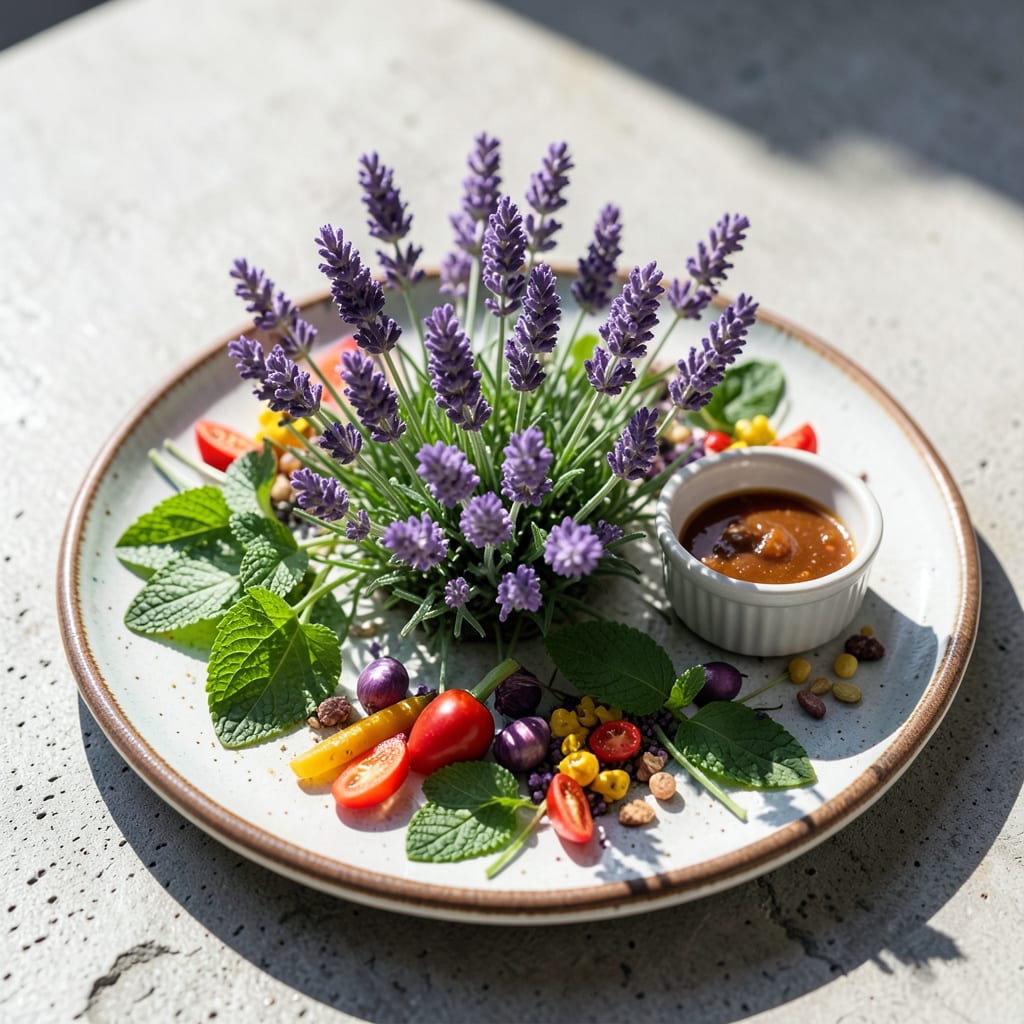
Fertilizing your Lavender 💜 plants at the right time is crucial for healthy growth and maximum blooms. In USDA Zone 6, timing is everything – fertilizing during the wrong season can actually harm your plants.
I recommend fertilizing your Lavender in early spring and again after blooming in summer. This simple schedule promotes healthy growth and encourages more blooms. Let’s explore the best practices for fertilizing your Lavender plants effectively.

Fertilizing lavender plants requires careful timing to promote healthy growth and maximize blooms. In most regions, the best time to fertilize lavender is in early spring when new growth begins to emerge. This initial feeding helps support the plant’s development throughout the growing season 🌿.
For areas like USDA Zone 6, where lavender typically starts growing in late March or early April, I recommend applying a balanced fertilizer during this period. The fertilizer should have an NPK ratio of around 10-10-10 to provide essential nutrients without over-fertilizing.
The spring fertilization is crucial because it helps the plant recover from winter dormancy and supports the development of new growth. After the initial spring feeding, you can continue to provide nutrients throughout the growing season, typically every 4-6 weeks until early fall 🌱.
It’s essential to avoid fertilizing lavender in the fall as this can encourage new growth that may not have time to harden off before the first frost, making the plant more susceptible to winter damage. By focusing on spring and early summer fertilization, you can support healthy growth and maximize the plant’s blooming potential 🌼.
For container-grown lavender, the same fertilization schedule applies, but you may need to adjust the amount of fertilizer based on the size of the pot and the specific growing conditions. Always water the plant thoroughly after fertilizing to help distribute the nutrients evenly throughout the soil 💧.
Monitoring your lavender’s response to fertilization is also important. If you notice excessive foliage growth at the expense of blooms, you may need to adjust your fertilization strategy. Conversely, if the plant appears nutrient-deficient, a light application of fertilizer can help improve its health and vitality.
By following these guidelines and paying attention to your lavender’s needs, you can ensure that your plants remain healthy, vigorous, and full of beautiful blooms throughout the growing season 🌻.
Fertilizing lavender is not just about providing nutrients; it’s about creating a balanced growing environment that supports the plant’s overall health. This includes ensuring good drainage, providing adequate sunlight, and maintaining appropriate soil pH levels.
For most lavender varieties, a slightly alkaline soil pH between 6.5 and 7.5 is ideal. If your soil is too acidic, you may need to add lime to adjust the pH. Additionally, incorporating organic matter like compost can improve soil structure and fertility, benefiting your lavender plants in the long term 🌿.
In conclusion, the key to successfully fertilizing lavender lies in understanding its growth cycle and nutritional needs. By providing the right nutrients at the right time and maintaining a supportive growing environment, you can enjoy healthy, fragrant lavender plants that bloom beautifully year after year 💜.
Fertilizing lavender effectively requires understanding the right techniques and materials to use. I recommend using a balanced fertilizer with an NPK ratio of 10-10-10 to provide essential nutrients without over-fertilizing 🌿.
The first step is to choose the right type of fertilizer. For lavender, a slow-release granular fertilizer is ideal as it provides nutrients gradually over time. You can also use organic alternatives like compost tea or fish emulsion for a more natural approach 🌱.
When fertilizing lavender, it’s crucial to avoid high-nitrogen fertilizers as they can promote excessive foliage growth at the expense of blooms. Instead, focus on balanced nutrients that support overall plant health.
When applying fertilizer, it’s essential to follow the manufacturer’s instructions for the correct dosage. Typically, you’ll need about 1 tablespoon of fertilizer per plant. Spread the fertilizer evenly around the base of the plant, keeping it away from the stem to prevent burning 💧.
Watering after fertilizing is crucial to help distribute the nutrients throughout the soil.
In addition to fertilization, maintaining good soil conditions is vital for healthy lavender growth. Ensure your soil has good drainage and a slightly alkaline pH between 6.5 and 7.5. If necessary, add lime to adjust the pH or incorporate organic matter like compost to improve soil structure 🌿.
By following these guidelines and using the right fertilization techniques, you can promote healthy growth and maximize blooms in your lavender plants. Regular monitoring of your plants’ response to fertilization will help you make any necessary adjustments to your care routine 💜.
Fertilizing lavender is just one aspect of maintaining these beautiful plants. Combining proper fertilization with other good gardening practices will ensure your lavender remains healthy and vibrant throughout the growing season 🌼.
For ongoing care, remember that lavender is a low-maintenance plant that doesn’t require frequent fertilization. By focusing on spring and early summer fertilization, you can support healthy growth without overdoing it 🌻.
Fertilizing lavender can be straightforward, but there are several common mistakes that gardeners make which can negatively impact their plants’ health and blooming potential. One of the most significant errors is over-fertilizing, which can lead to excessive foliage growth at the expense of blooms 🌿.
Avoid using high-nitrogen fertilizers as they promote leaf growth over flower production. Instead, use a balanced fertilizer (10-10-10 NPK) to support overall plant health.
Another mistake is fertilizing lavender in the fall, which can stimulate new growth that won’t have time to harden off before winter, making the plant more susceptible to cold damage ❄️.
Using the wrong type of fertilizer is also a common error. Lavender prefers poor soil and can be sensitive to rich fertilizers. A slow-release granular fertilizer is ideal as it provides nutrients gradually 🌼.
Proper soil conditions are also crucial when fertilizing lavender. Ensure your soil has good drainage and a slightly alkaline pH between 6.5 and 7.5. Adjust the pH if necessary by adding lime or incorporating organic matter like compost 🌿.
By avoiding these common mistakes and following the right fertilization practices, you can help your lavender plants thrive and enjoy their beautiful blooms for years to come 💜.
Fertilize your lavender plants every 4-6 weeks during the growing season, which typically starts in early spring and continues until early fall. This frequency supports healthy growth and maximizes blooms.
A balanced fertilizer with an NPK ratio of 10-10-10 is ideal for lavender. You can use either a slow-release granular fertilizer or organic alternatives like compost tea or fish emulsion. This type of fertilizer provides essential nutrients without over-fertilizing.
No, it’s best to avoid fertilizing lavender in the fall as it can stimulate new growth that may not harden off before winter, making the plant more susceptible to cold damage. Instead, focus on spring and early summer fertilization.
If you notice excessive foliage growth at the expense of blooms, you may be over-fertilizing. Lavender prefers poor soil and can be sensitive to rich fertilizers. Monitor your plant’s response and adjust your fertilization strategy accordingly.
