
Beautiful Plants For Your Interior
Beautiful Plants For Your Interior
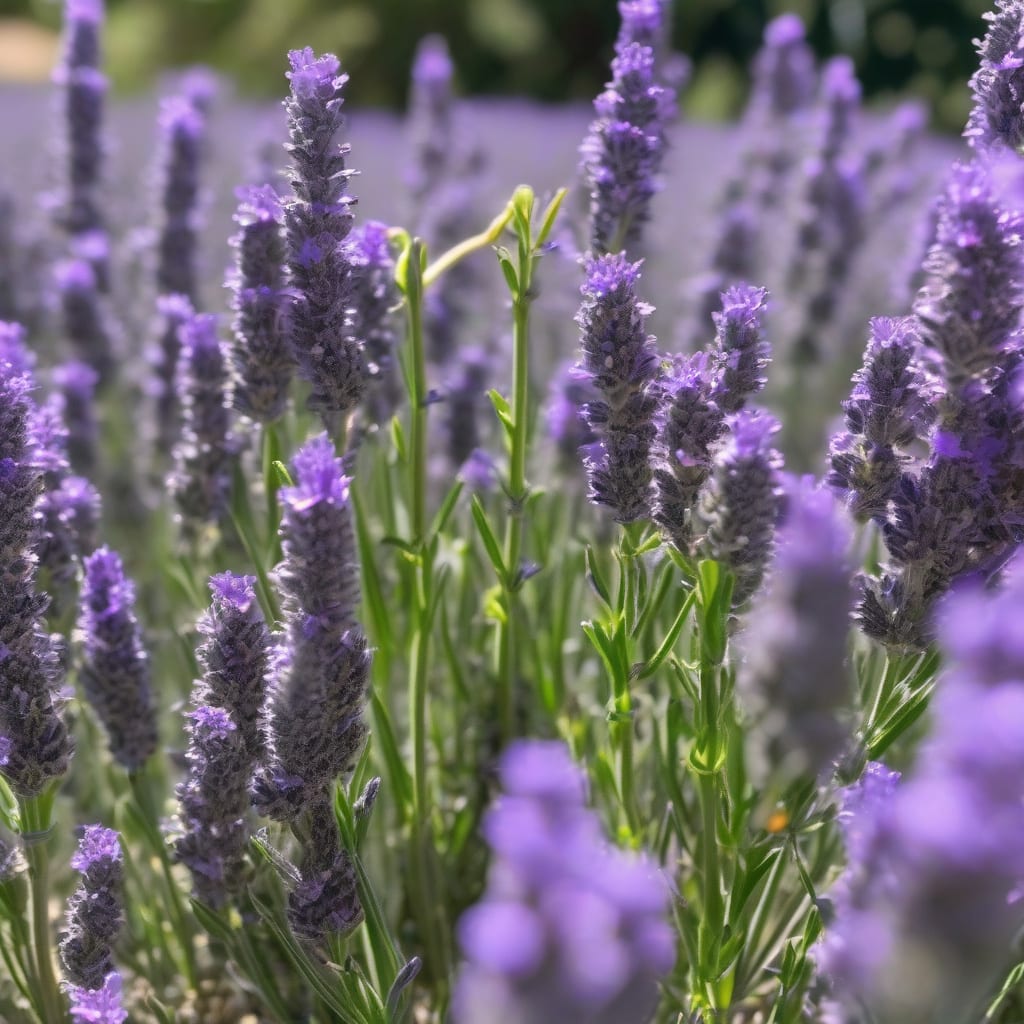
When planning your garden, understanding how tall your plants will grow is crucial for proper placement 💜. Lavender, a popular choice for its fragrance and beauty, typically grows between 2-3 feet tall, making it perfect for various garden designs.
Factors like variety, growing conditions, and pruning practices can influence lavender’s ultimate height. Let’s explore how to manage your lavender’s growth for the best results in your garden.

1-2 ft

2-3 ft

2-3 ft

2-3 ft
Lavender is known for its fragrant blooms and versatility in garden design, but its height can vary significantly depending on the variety. Understanding these differences is crucial for proper garden planning and maintenance.
Different lavender varieties have distinct growth patterns and maximum heights, ranging from compact dwarf types to taller English lavenders. Let’s explore the typical heights of various lavender types and what to expect when growing them.
The height of lavender plants can be influenced by their specific variety. English Lavender and Spanish Lavender tend to grow taller, typically reaching 2-3 feet in height. In contrast, Dwarf Lavender varieties are more compact, usually growing between 1-2 feet tall.
When selecting a lavender variety, it’s essential to consider the mature height to ensure proper placement in your garden. Taller varieties can serve as beautiful background plants or hedges, while shorter types are ideal for border edging or container gardening. 🌿
While variety plays a significant role in determining lavender’s height, other factors such as growing conditions and pruning practices also contribute to the plant’s ultimate size. Proper care can help maintain the desired height and promote healthy growth.
Lavender plants generally thrive in well-draining soil and full sun, conditions that support their natural growth habits. Regular pruning is also crucial for maintaining shape and encouraging bushier growth.
By understanding the typical height ranges for different lavender varieties and the factors that influence their growth, gardeners can make informed decisions about plant placement and care. This knowledge helps create a harmonious and visually appealing garden design.
Whether you’re looking to create a fragrant hedge or add a touch of purple to your borders, lavender is an excellent choice. Its versatility and beauty make it a popular addition to many gardens.
For gardeners looking to maximize their lavender’s potential, understanding the specific needs and characteristics of their chosen variety is key. This includes considering factors like sunlight, soil quality, and watering needs.
By combining the right variety with appropriate care, gardeners can enjoy the full benefits of their lavender plants, from their beautiful blooms to their soothing fragrance.
In conclusion, lavender’s height can vary based on variety and growing conditions, but with proper care and planning, it can be a stunning addition to any garden. Its beauty and fragrance make it a worthwhile investment for gardeners of all levels.
While lavender variety plays a significant role in determining its height, several other factors can influence the plant’s ultimate size. Understanding these factors is crucial for gardeners who want to manage their lavender’s growth effectively.
The height of lavender plants can be affected by various growing conditions, including soil quality, sunlight exposure, and watering practices. Let’s explore how these factors impact lavender’s growth and what gardeners can do to optimize their plants’ height.
Soil quality, sunlight, watering, and pruning practices all play a role in determining lavender’s ultimate height.
Soil quality is a critical factor in lavender growth. Well-draining soil is essential, as lavender is susceptible to root rot in moist conditions. Soil pH also affects nutrient availability, with lavender preferring slightly alkaline conditions. 🌿
Sunlight exposure is another crucial factor. Lavender requires full sun to thrive, needing at least 6 hours of direct sunlight per day. Insufficient sunlight can lead to leggy growth and reduced flowering.
Watering practices also impact lavender’s height. Overwatering can cause root rot, while underwatering can stress the plant. A balanced watering schedule is essential to promote healthy growth.
Pruning practices play a significant role in maintaining lavender’s shape and promoting bushy growth. Regular pruning encourages the plant to produce new growth and prevents it from becoming leggy.
By understanding and managing these factors, gardeners can optimize their lavender’s growth and achieve the desired height. Whether you’re looking to create a compact border or a fragrant hedge, proper care and attention can help you achieve your goals.
In addition to these factors, climate and weather conditions can also impact lavender’s growth. Extreme temperatures, frost, and wind can all affect the plant’s height and overall health.
Gardeners should also be aware of the potential for pests and diseases to affect their lavender plants. Regular monitoring and maintenance can help prevent issues and ensure healthy growth.
By considering these various factors and taking steps to optimize growing conditions, gardeners can enjoy healthy, thriving lavender plants that add beauty and fragrance to their gardens.
When planning your garden, understanding how tall your lavender will grow is crucial for creating a beautiful and functional space. Lavender’s height can vary significantly depending on the variety, growing conditions, and pruning practices.
Different lavender varieties have distinct growth patterns and maximum heights, ranging from compact dwarf types to taller English lavenders. Let’s explore how to manage lavender height for optimal garden design.
By understanding the growth habits of different lavender varieties and using proper pruning techniques, you can create a beautiful and functional garden design that showcases your lavender plants.
Regular pruning is essential for maintaining lavender’s shape and promoting bushy growth. Prune your lavender plants in the spring or fall, removing any dead or damaged branches.
With proper care and attention, lavender can be a stunning addition to any garden, providing beauty and fragrance for years to come 🌿.
