
Beautiful Plants For Your Interior
Beautiful Plants For Your Interior
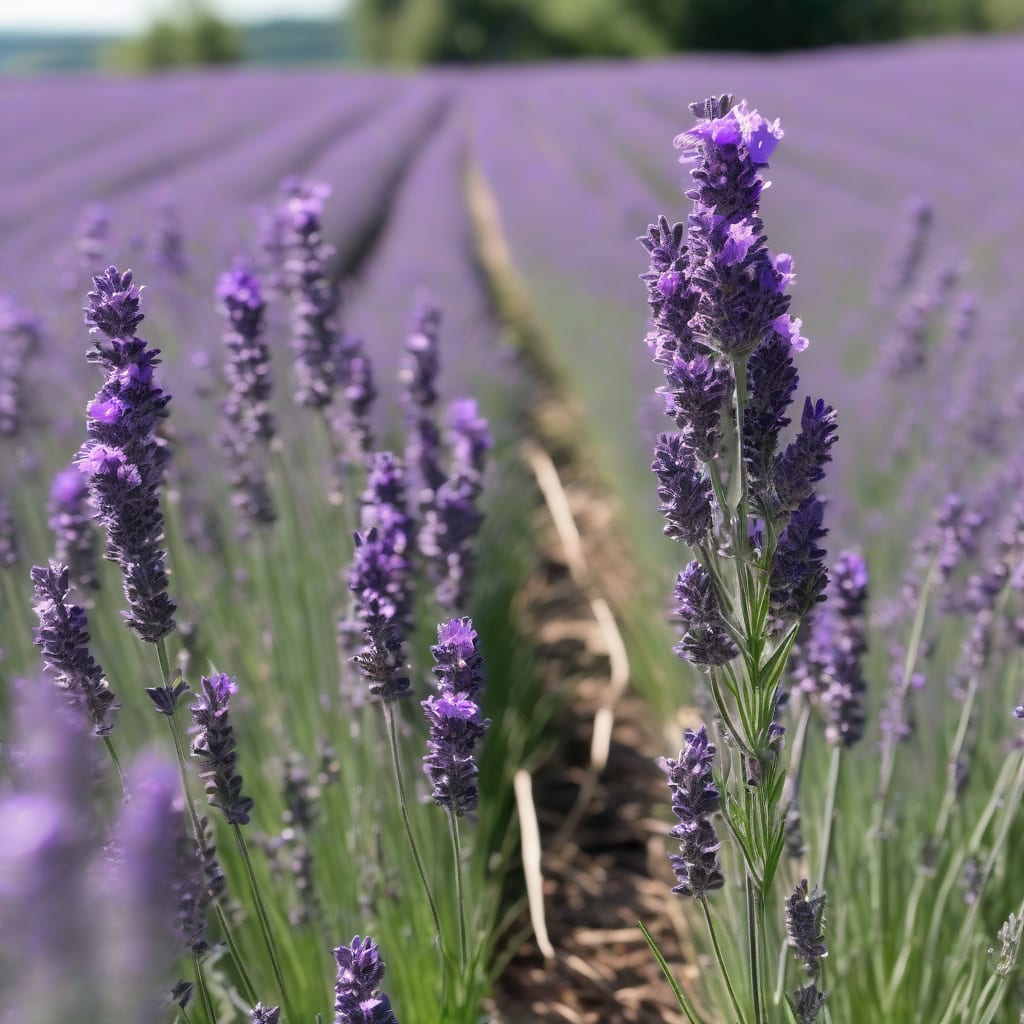
Lavender plants 💜 are a beautiful addition to any garden, but have you ever wondered how tall they’ll grow? Understanding their growth habits is key to optimal placement and care. In USDA Zone 6, you can expect these lovely shrubs to thrive.
Let’s explore what affects their height and how to care for them. Lavender plants typically grow between 2-3 feet tall, making them perfect for borders or containers. With proper care, you’ll enjoy their fragrance and beauty for years to come.
Lavender plants are known for their compact growth and fragrant flowers. Understanding their height expectations is crucial for garden planning. Most lavender varieties grow between 2-3 feet tall, making them suitable for borders, containers, or rock gardens.
The height of lavender plants can vary based on several factors, including the specific variety, growing conditions, and pruning practices. Let’s explore these factors in more detail to understand what influences lavender plant height.
Lavender plants are generally drought-tolerant and low-maintenance, making them ideal for gardeners of all experience levels. Their compact size and fragrant flowers make them a popular choice for various garden designs.
The height of lavender plants is influenced by factors such as soil quality, sunlight exposure, and pruning techniques. Gardeners can maximize the their lavender plant’s height and beauty by providing proper care and regular maintenance.
Different lavender varieties have different growth habits,展望ing from dwarf varieties that stay compact to taller cultivars that can reach up to 3 feet or more. Understanding these differences helps gardeners choose the right variety for their space.
Lavender plants typically thrive in well-draining soil and full sun conditions, which supports their natural growth habits. When grown in ideal conditions, lavender plants can achieve their full height potential and produce an abundance of fragrant flowers.
By understanding the factors that influence lavender height, gardeners can take steps to encourage healthy growth and maximize their plant’s potential. Whether you’re growing lavender in containers or in the ground, knowing what to expect can help you plan your garden design effectively.
Regular pruning is essential for maintaining the shape and promoting healthy growth in lavender plants. Pruning helps to encourage new growth and prevents the plant from becoming leggy or sparse.
In addition to pruning, providing adequate sunlight and well-draining soil are critical for lavender plants to reach their full height potential. Gardeners should also be mindful of watering practices, as lavender is drought-tolerant but can be sensitive to overwatering.
By following these guidelines and understanding the growth habits of lavender, gardeners can enjoy beautiful, fragrant plants that enhance their garden’s beauty and fragrance 🌼.
Lavender plant height is influenced by multiple factors that gardeners can control to achieve optimal growth. Understanding these elements helps in creating ideal growing conditions for these beautiful plants.
The soil quality plays a crucial role in determining lavender plant height. Well-draining soil is essential as lavender plants are susceptible to root rot in waterlogged conditions. The ideal soil pH for lavender ranges between 6.0 and 7.0, which supports healthy root development and overall growth 🌿.
Sunlight exposure is another critical factor affecting lavender height. These plants thrive in full sun conditions, requiring at least 6 hours of direct sunlight daily. Adequate sunlight promotes healthy growth and helps maintain the plant’s compact shape.
Watering practices significantly impact lavender plant height. While lavender is drought-tolerant, consistent moisture during the growing season supports healthy growth. However, overwatering can lead to root rot and stunted growth, so it’s essential to strike a balance 💧.
Pruning techniques also play a vital role in maintaining lavender plant height. Regular pruning after flowering encourages new growth and helps maintain a compact, bushy shape. Pruning in early spring removes dead wood and promotes healthy growth throughout the season.
By understanding and controlling these factors, gardeners can create optimal growing conditions for their lavender plants, ensuring they reach their full height potential and maintain their beauty throughout the growing season 🌸.
Lavender plants generally require minimal fertilization, as excessive nutrients can lead to leggy growth. A light application of balanced fertilizer in spring is usually sufficient to support healthy growth and flowering.
Regular monitoring of the plant’s growth and adjusting care practices accordingly helps maintain the desired height and promotes overall plant health. With proper care and attention, lavender plants can thrive and provide beautiful blooms for years to come.
To achieve optimal height in lavender plants, gardeners should focus on providing ideal growing conditions and proper care. Lavender plants typically grow between 2-3 feet tall, making them suitable for various garden designs.
Prune lavender plants regularly to encourage healthy growth and maintain their shape. Pruning in early spring removes dead wood and promotes new growth throughout the season 🌿.
First, ensure your lavender receives adequate sunlight. These plants thrive in full sun conditions, requiring at least 6 hours of direct sunlight daily. Adequate sunlight promotes healthy growth and helps maintain the plant’s compact shape.
Second, maintain well-draining soil to prevent waterlogged roots. Lavender plants are susceptible to root rot in wet conditions, so soil quality is crucial for healthy growth. The ideal soil pH for lavender ranges between 6.0 and 7.0, supporting healthy root development 🌸.
Third, adopt proper watering practices. While lavender is drought-tolerant, consistent moisture during the growing season supports healthy growth. However, overwatering can lead to root rot and stunted growth, so it’s essential to strike a balance 💧.
Finally, consider the fertilization needs of your lavender plants. They generally require minimal fertilization, as excessive nutrients can lead to leggy growth. A light application of balanced fertilizer in spring is usually sufficient to support healthy growth and flowering 🌻.
By following these expert tips, gardeners can create optimal growing conditions for their lavender plants, ensuring they reach their full height potential and maintain their beauty throughout the growing season.
