
Beautiful Plants For Your Interior
Beautiful Plants For Your Interior
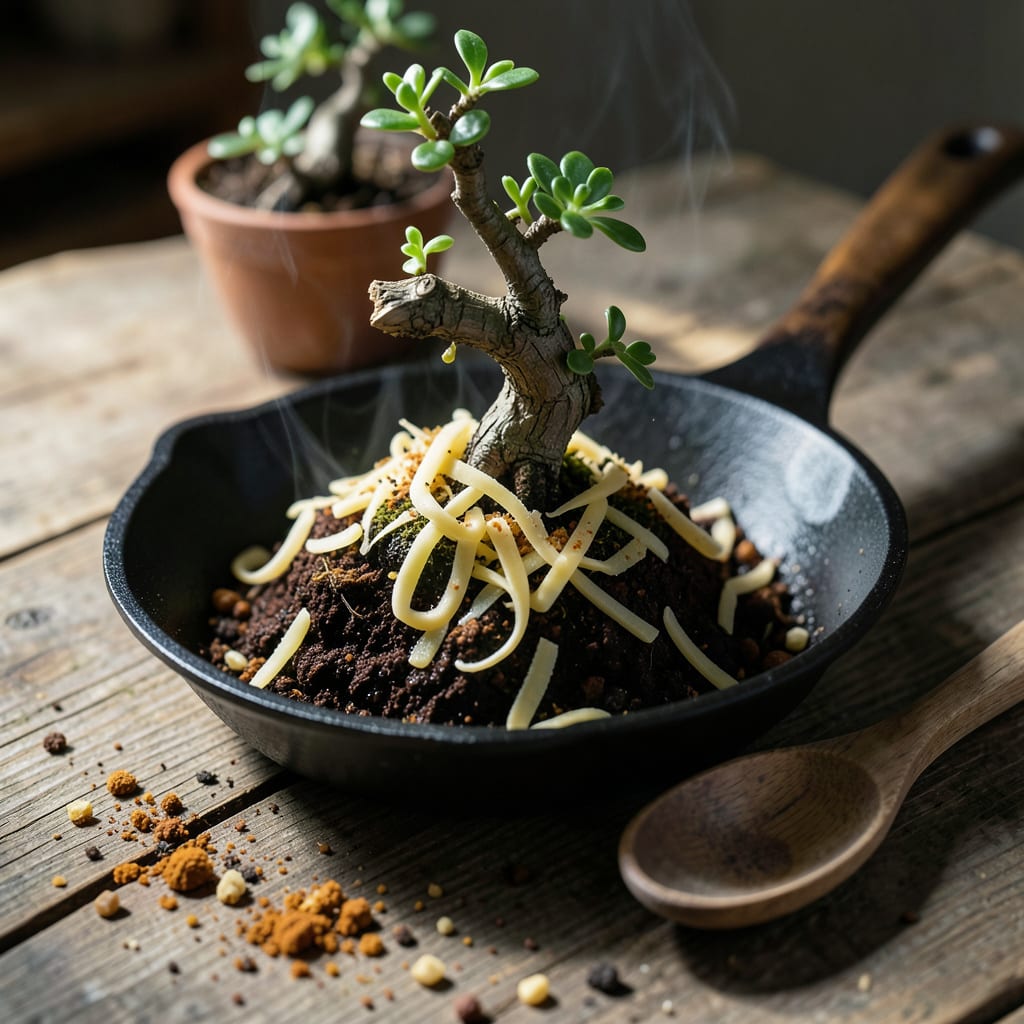
Fertilizing your Bonsai Tree 🌳 at the right time is crucial for its health and development. Proper fertilization can make the difference between a thriving tree and one that struggles to survive.
I’ll guide you through the best times to fertilize your Bonsai Tree, including the types of fertilizers to use and tips for optimal growth in USDA Zone 6. Let’s get started.

Fertilizing your Bonsai Tree 🌳 at the right time is crucial for its health and development. The growing season, which typically spans from spring to fall, is the best time to fertilize your bonsai. During this period, the tree is actively growing and requires more nutrients to support its development.
In USDA Zone 6, the growing season usually starts in March and ends in October. However, the exact timing may vary depending on the specific species of your bonsai and the local climate conditions. It’s essential to understand the specific needs of your bonsai tree to provide the best care 🌱.
The key to successful bonsai fertilization is understanding the tree’s growing cycle. Most bonsai trees follow a similar pattern: active growth in spring and summer, slowing down in fall, and dormancy in winter. By aligning your fertilization schedule with this cycle, you can provide your bonsai with the nutrients it needs when it needs them most 🌿.
Different species of bonsai trees may have slightly different growing cycles. For example, tropical bonsai may continue to grow year-round in warm climates, while temperate bonsai typically follow the seasonal growth pattern described above. Researching the specific needs of your bonsai species is crucial for optimal care 🔍.
Climate conditions also play a significant role in determining the fertilization timing. In regions with mild winters, some bonsai trees may continue to grow throughout the year, requiring adjusted fertilization schedules. Conversely, areas with harsh winters may necessitate a complete halt in fertilization during the colder months ❄️.
To ensure your bonsai receives the right nutrients, it’s essential to monitor its health and adjust your fertilization schedule accordingly. Look for signs of nutrient deficiency, such as yellowing leaves or slow growth, and adjust your fertilization routine as needed 🌟.
By understanding the importance of timing and adjusting your fertilization schedule to your bonsai’s specific needs, you can promote healthy growth and enjoy a thriving, beautiful tree for years to come 🌳.
Remember, the goal of fertilizing your bonsai is to support its health and development. By providing the right nutrients at the right time, you can help your bonsai tree thrive and reach its full potential 🌸.
In conclusion, fertilizing your bonsai tree requires careful consideration of its growing cycle, species, and climate conditions. By
Fertilizing your Bonsai Tree 🌳 requires careful consideration of several factors, including the type of fertilizer, application method, and frequency. To promote healthy growth and development, it’s essential to follow best practices for fertilizing your bonsai 🌿.
I recommend using a balanced fertilizer with a ratio of 20-20-20 (nitrogen-phosphorus-potassium). This type of fertilizer provides your bonsai with the necessary nutrients for overall health and development 🌱.
Fertilize your bonsai during the growing season (spring to fall) for optimal results. Adjust your fertilization schedule according to your bonsai’s specific needs and climate conditions 🌟.
When it comes to application methods, I suggest diluting the fertilizer to half the recommended strength to avoid burning your bonsai’s roots 🔥.
Fertilize your bonsai every 2-4 weeks during the growing season. Monitor your bonsai’s health and adjust the frequency as needed to ensure optimal growth 📊.
Some other best practices to keep in mind include avoiding over-fertilization, which can damage your bonsai’s roots and cause other problems 🚨.
By following these best practices and being mindful of your bonsai’s specific needs, you can promote healthy growth and enjoy a thriving, beautiful tree for years to come 🌸.
In summary, fertilizing your bonsai tree requires careful consideration of several factors, including the type of fertilizer, application method, and frequency. By following best practices and being mindful of your bonsai’s specific needs, you can promote healthy growth and enjoy a thriving, beautiful tree 🌳.
Fertilizing your Bonsai Tree 🌳 can be tricky, and it’s easy to make mistakes that can harm your tree. I’ll help you identify some common pitfalls to avoid when fertilizing your bonsai 🌿.
Be cautious when fertilizing your bonsai, as over-fertilization can damage the roots and cause other problems 🚨.
One common mistake is fertilizing too frequently. Bonsai trees don’t require constant feeding, and over-fertilization can lead to weak growth and other issues 🌟.
Another mistake is using the wrong type of fertilizer. A balanced fertilizer with a ratio of 20-20-20 is usually the best choice for bonsai trees 🌱.
Not adjusting for seasonal changes is another common error. Bonsai trees have different needs during different seasons, so it’s essential to adjust your fertilization schedule accordingly 📆.
To avoid these mistakes, I recommend monitoring your bonsai’s health closely and adjusting your fertilization routine as needed 🔍.
By being aware of these common mistakes and taking steps to avoid them, you can help your bonsai tree thrive and enjoy a beautiful, healthy tree for years to come 🌸.
In summary, avoiding common mistakes when fertilizing your bonsai tree requires careful consideration of several factors, including frequency, type of fertilizer, and seasonal changes 🌳.
Fertilize your bonsai tree every 2-4 weeks during the growing season, which typically spans from spring to fall. This frequency supports healthy growth and development. Adjust the schedule based on your bonsai’s specific needs and climate conditions .
A balanced fertilizer with a ratio of 20-20-20 (nitrogen-phosphorus-potassium) is recommended for bonsai trees. This type provides the necessary nutrients for overall health and development. Dilute the fertilizer to half the recommended strength to avoid burning your bonsai’s roots .
No, it’s best to stop fertilizing during the winter months when your bonsai tree is dormant. Fertilizing during dormancy can cause unnecessary stress to the tree. Resume fertilizing in the spring when new growth begins .
Watch for signs of nutrient burn, such as yellowing leaves or weak growth. If you notice these symptoms, reduce the frequency or amount of fertilizer. Monitor your bonsai’s health closely and adjust your fertilization routine as needed .
