
Beautiful Plants For Your Interior
Beautiful Plants For Your Interior
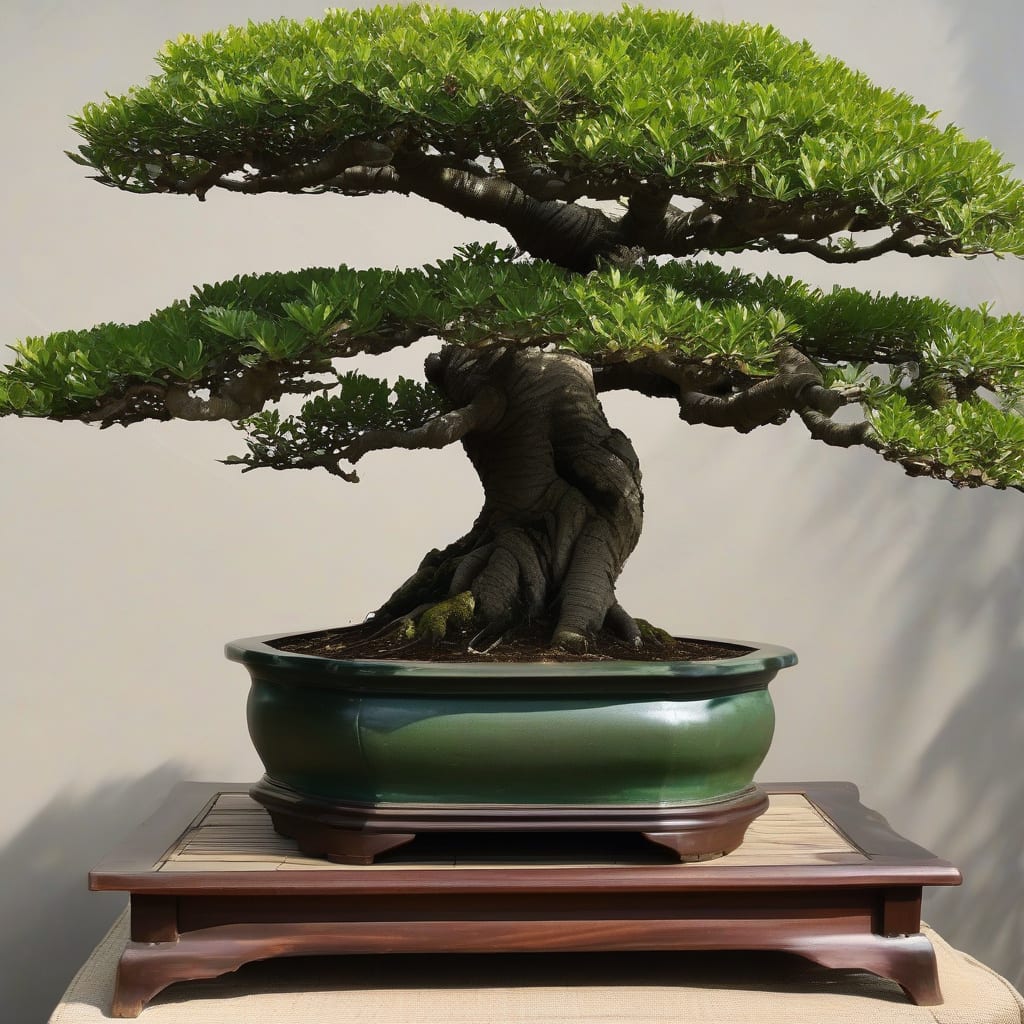
I’ve always been fascinated by bonsai trees 🌳 and their unique growth patterns. Growing in USDA Zone 6, these miniature marvels can thrive with proper care.
The height of a bonsai tree depends on several factors, including species and pruning techniques. Let’s explore how tall bonsai trees can actually grow and what influences their maximum height.


Bonsai trees have captivated enthusiasts for centuries with their carefully controlled growth patterns and miniature forms. As a gardener, I’ve always been fascinated by how tall these trees can grow and what factors influence their height.
The height of a bonsai tree is determined by several key factors, including the species, training techniques, container size, and pruning practices. Understanding these elements is crucial for maintaining the desired height and shape of your bonsai tree.
The maximum height of a bonsai tree varies significantly based on the species, the training techniques used, and the care provided. By understanding these factors, you can better control the height of your bonsai tree and achieve the desired shape and size.
For example, some species like the Japanese Maple can grow up to 3-4 feet tall, while others like the Juniper can be kept as small as 1-2 feet. 🌱
When it comes to training techniques, pruning is a crucial aspect of maintaining the desired height. Regular pruning helps control the growth of the tree and promotes a balanced shape.
To effectively control the height of your bonsai tree, it’s essential to understand how different factors influence its growth. This knowledge will help you make informed decisions about the care and maintenance of your bonsai tree.
One of the primary factors that influence the height of a bonsai tree is the species. Different species have varying natural growth limits, and some are more suitable for bonsai cultivation than others.
Container size is another critical factor that affects the height of a bonsai tree. A smaller container can restrict root growth, which in turn limits the overall height of the tree.
By combining the right species with proper training techniques and care, you can achieve a beautiful and thriving bonsai tree that meets your desired height and shape.
For instance, using wiring techniques can help shape the tree and control its height. Wiring involves wrapping wire around the branches to guide their growth and create the desired shape.
In addition to pruning and wiring, grafting is another technique used to control the height and shape of bonsai trees. Grafting involves joining a piece of a stem or root from one tree onto another tree.
Overall, understanding the factors that influence the height of a bonsai tree is essential for achieving the desired shape and size. By combining the right species, training techniques, and care, you can create a stunning bonsai tree that thrives.
As you continue to care for your bonsai tree, remember that patience and attention to detail are key. With regular pruning, wiring, and grafting, you can maintain the desired height and shape of your bonsai tree.
When it comes to bonsai trees, different species have varying natural growth limits. Understanding these limits is crucial for maintaining the desired height and shape of your bonsai tree. As a gardener, I’ve found that knowing the maximum height potential of different species helps in choosing the right tree for your needs.
The maximum height of bonsai trees varies significantly across different species. For instance, Juniper bonsai trees typically grow between 1-3 feet tall, while Maple bonsai trees can reach heights of 3-6 feet. Understanding these natural growth limits is essential for effective bonsai cultivation.
When choosing a bonsai tree species, consider the typical size and growth habits. Some species, like Ficus, are more adaptable and can thrive in various conditions, making them ideal for beginners. 🌳
Different species have unique characteristics that affect their growth patterns. For example, Pine bonsai trees have evergreen needle-like foliage and can grow up to 2-5 feet tall. In contrast, Elm bonsai trees have small leaves and can reach heights of 3-6 feet.
To maintain the desired height and shape, regular pruning is essential. Pruning helps control the growth of the tree and promotes a balanced shape. By understanding the growth patterns of different species, you can make informed decisions about pruning and training techniques.
Controlling the height of a bonsai tree requires a combination of techniques and regular maintenance. As a gardener, I’ve found that understanding these methods is crucial for achieving the desired shape and size.
Regular pruning is essential for maintaining the desired height and promoting healthy growth. Remove any dead or damaged branches to prevent disease and encourage new growth.
Wiring involves wrapping wire around branches to guide their growth and create the desired shape. This technique helps control the height and promotes a balanced structure.
Controlling root growth is critical for maintaining the desired height. Regularly inspect and trim roots to prevent them from becoming too large for the container.
By combining these techniques, you can effectively control the height of your bonsai tree and achieve the desired shape and size. Regular maintenance is key to successful bonsai cultivation 🌳.
For example, pruning helps maintain the desired height by removing excess growth. This technique also promotes healthy growth by removing dead or damaged branches.
Wiring is another technique used to control the height and shape of bonsai trees. By wrapping wire around branches, you can guide their growth and create the desired shape.
Root management is also crucial for maintaining the desired height. By controlling root growth, you can prevent the tree from becoming too large for its container.
To maintain the desired height and shape, it’s essential to regularly inspect your bonsai tree and perform necessary maintenance tasks. With patience and attention to detail, you can create a beautiful and thriving bonsai tree.
