
Beautiful Plants For Your Interior
Beautiful Plants For Your Interior
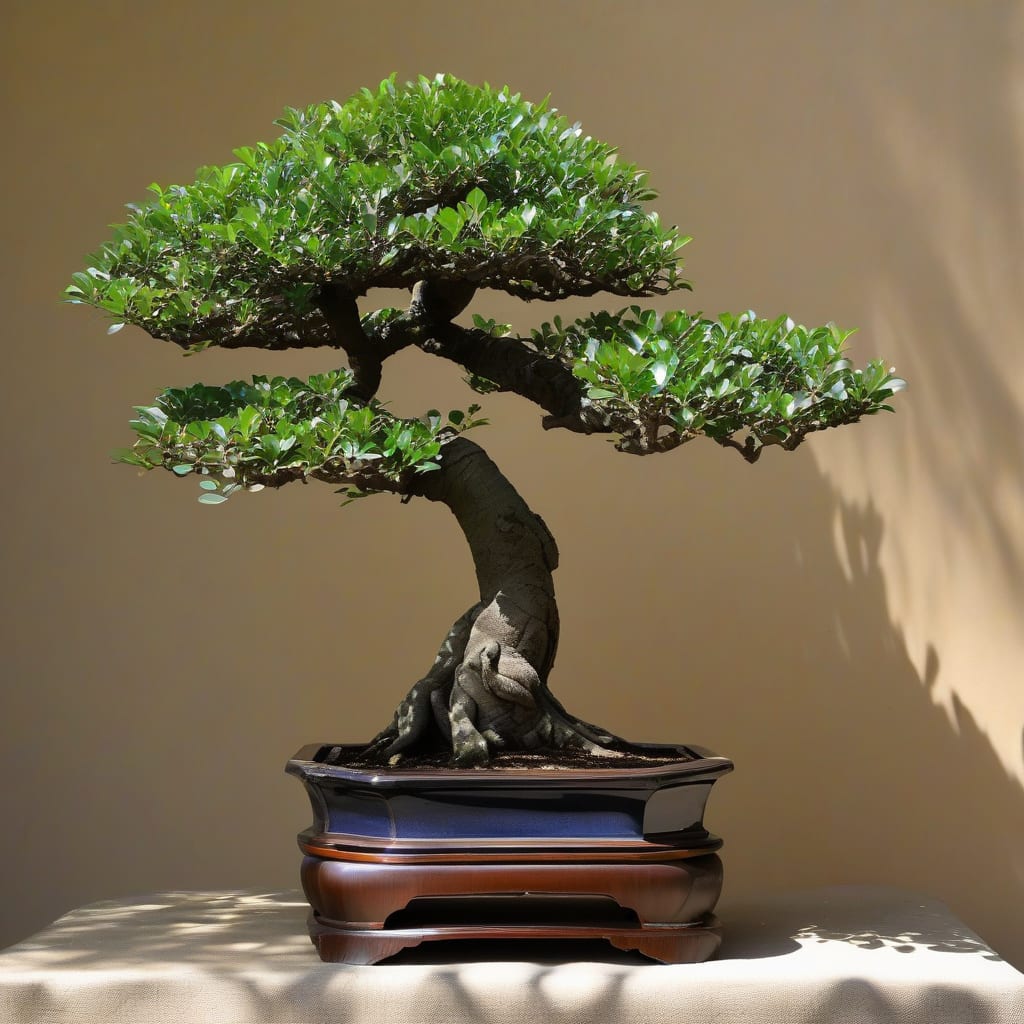
I’ve always been fascinated by the art of bonsai cultivation, and one question that often comes up is: how tall can a bonsai tree 🌳 actually grow? The answer isn’t straightforward, as it depends on several factors, including the tree species and growing conditions.
Understanding these factors is key to successful bonsai cultivation. Let’s explore what affects a bonsai tree‘s height potential and how you can influence its growth to achieve the desired shape and size in USDA Zone 6.
I’ve found that understanding the factors that influence bonsai tree height is crucial for successful cultivation. The height potential of a bonsai tree is determined by several key factors, including the tree species, container size, pruning techniques, and environmental conditions 🌳.
The tree species is perhaps the most significant factor in determining the maximum height of a bonsai tree. Different species have varying natural growth patterns and maximum heights, which can be influenced through proper care and training.
The container size plays a significant role in controlling the height of a bonsai tree. A smaller container can restrict root growth, which in turn limits the overall height of the tree. However, it’s essential to balance container size with the tree’s needs to ensure healthy growth 🌱.
Pruning techniques are also vital in maintaining the desired height of a bonsai tree. Regular pruning not only controls the shape and size but also promotes healthy development by encouraging new growth and maintaining the tree’s aesthetic appeal.
Environmental conditions, such as light, water, and nutrient availability, significantly impact the growth and height potential of bonsai trees. Providing the right conditions for your specific tree species is crucial for achieving the desired height and overall health 🌿.
Understanding these factors and how they interact is key to successfully growing a bonsai tree that meets your desired height and aesthetic criteria. By carefully selecting the right species, managing container size, employing proper pruning techniques, and providing optimal environmental conditions, you can influence the height potential of your bonsai tree.
For example, species like juniper and ficus are popular choices for bonsai cultivation due to their adaptability and growth patterns. Juniper bonsai trees, for instance, can grow up to 3-6 feet in height when mature, while ficus trees can reach heights of 1-3 feet or more with proper care.
The maximum height potential of a bonsai tree is also influenced by its natural growth habits. Some species naturally grow taller than others, and understanding these characteristics is essential for setting realistic goals for your bonsai tree’s height.
In conclusion, the height potential of a bonsai tree is a complex trait influenced by multiple factors. By understanding and managing these factors, you can cultivate a bonsai tree that not only meets your desired height but also thrives in its environment 🌳.
To achieve the best results, it’s essential to research the specific needs of your bonsai tree species and tailor your care practices accordingly. This includes understanding the optimal container size, pruning techniques, and environmental conditions required for your tree to reach its full height potential.
By combining knowledge of these factors with consistent and proper care, you can enjoy a healthy and beautifully shaped bonsai tree that reflects your dedication and craftsmanship.
I’ve found that understanding the maximum height potential of different bonsai tree species is crucial for setting realistic expectations. Different species have varying natural growth patterns and maximum heights, which can be influenced through proper care and training 🌳.
The maximum height potential of a bonsai tree is largely determined by its species. Let’s compare some popular bonsai tree species and their maximum achievable heights.
As shown in the table, juniper and ficus are popular choices for bonsai cultivation due to their adaptability and growth patterns. Juniper bonsai trees can grow up to 3-6 feet in their natural state, while ficus trees typically reach heights of 1-3 feet 🌲.
When grown as bonsai, these trees can be maintained at much smaller sizes through proper pruning and training techniques. For example, juniper bonsai trees can be kept between 1-3 feet tall, while ficus bonsai trees are often maintained between 6-12 inches in height 🌿.
Understanding the natural growth patterns of different bonsai tree species is essential for setting realistic goals for your bonsai tree’s height. By choosing the right species and employing proper care techniques, you can achieve the desired height and shape for your bonsai tree.
For instance, if you’re looking for a taller bonsai tree, species like juniper or pine might be more suitable. On the other hand, if you prefer a more compact bonsai, ficus or maple could be better options 🌸.
By combining knowledge of the species’ natural growth patterns with consistent and proper care, you can enjoy a healthy and beautifully shaped bonsai tree that meets your desired height and aesthetic criteria.
To achieve the best results, it’s essential to research the specific needs of your bonsai tree species and tailor your care practices accordingly. This includes understanding the optimal container size, pruning techniques, and environmental conditions required for your tree to reach its full height potential 🌟.
In conclusion, the maximum height potential of a bonsai tree is influenced by its species and can be shaped through proper care and training. By understanding these factors and managing them effectively, you can cultivate a bonsai tree that not only meets your desired height but also thrives in its environment 🌳.
I’ve found that controlling the height of a bonsai tree requires a combination of proper pruning techniques and regular training. By mastering these techniques, you can maintain the desired height while promoting healthy tree development 🌳.
Prune your bonsai tree regularly to maintain its shape and control its height. Remove any dead or damaged branches to promote healthy growth.
Use wiring techniques to shape your bonsai tree and control its height. Wire the branches to achieve the desired shape and direction.
Root pruning is essential to control the overall size of the tree. Prune the roots every few years to maintain the tree’s health and size.
By combining these techniques with consistent and proper care, you can enjoy a healthy and beautifully shaped bonsai tree that meets your desired height and aesthetic criteria 🌸.
To achieve the best results, it’s essential to research the specific needs of your bonsai tree species and tailor your care practices accordingly. This includes understanding the optimal container size, pruning techniques, and environmental conditions required for your tree to reach its full height potential 🌟.
In conclusion, controlling the height of a bonsai tree requires a combination of proper pruning techniques, regular training, and consistent care. By mastering these techniques, you can cultivate a bonsai tree that not only meets your desired height but also thrives in its environment 🌳.

