
Beautiful Plants For Your Interior
Beautiful Plants For Your Interior
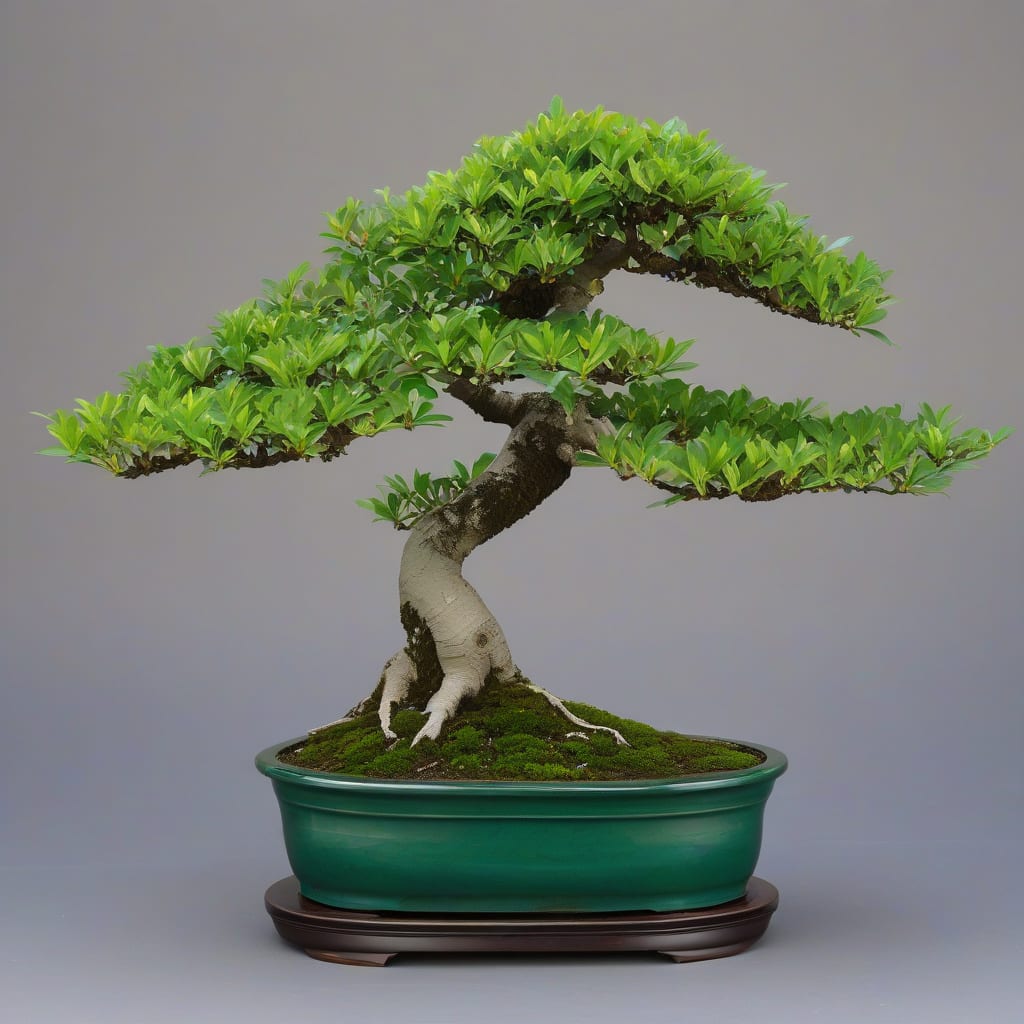
I’ve always been fascinated by bonsai trees 🌳 and their unique growth patterns. Growing a bonsai tree requires patience and understanding of its growth habits.
The height of a bonsai tree depends on factors like species, container size, and pruning techniques. Let’s explore how tall bonsai trees can grow and how to maintain their shape in your home or garden.


Understanding the factors that affect bonsai tree height is crucial for successful cultivation. Several key elements influence the growth rate and maximum height of these miniature trees 🌳.
The species selection plays a significant role in determining the potential height of a bonsai tree. Different species have varying natural growth habits and maximum sizes. For example, some species like Ficus and Juniper can grow quite tall if not pruned regularly.
The container size is another critical factor. Smaller containers restrict root growth, which in turn limits the overall height of the bonsai tree. This is why bonsai trees in smaller pots tend to remain smaller.
Pruning techniques are essential for maintaining the desired height and shape of a bonsai tree. Regular pruning not only controls the height but also encourages the tree to develop a more compact and aesthetically pleasing shape 🔥.
Environmental conditions such as light, water, and nutrients also significantly impact the growth rate of bonsai trees. Adequate light and proper watering are essential for healthy growth, while nutrient-rich soil supports overall development.
By understanding and controlling these factors, you can effectively manage the height and growth rate of your bonsai tree, creating a beautiful and thriving miniature tree 🌿.
I recommend monitoring your bonsai tree’s growth regularly and adjusting your care routine as needed to achieve the desired height and shape.
Different bonsai tree species have unique growth patterns and requirements. Understanding these differences is key to successful bonsai cultivation.
For example, deciduous trees like maple and elm tend to grow faster than evergreen trees like pine and juniper. This affects how often you need to prune and shape your bonsai tree.
By considering these factors and adapting your care routine accordingly, you can create a stunning bonsai tree that thrives in its environment 🌸.
In summary, the height of a bonsai tree is influenced by a combination of species, container size, pruning techniques, and environmental conditions. By understanding and managing these factors, you can achieve the desired height and shape for your bonsai tree.
Different bonsai tree species have varying natural growth heights, which is crucial to understand when cultivating these miniature trees 🌳.
The natural height of bonsai trees can range from a few inches to several feet, depending on the species. For example, Juniper bonsai trees can grow up to 3-6 feet tall in their natural state, while Ficus species can reach heights of 6-8 feet or more 🔥.
Understanding the natural growth height of different bonsai tree species is essential for selecting the right species for your desired bonsai size 🌿.
For instance, if you’re looking to create a smaller bonsai tree, species like Satsuki Azalea or Chinese Elm might be more suitable due to their naturally smaller size.
On the other hand, if you’re working with species like Pine or Juniper, you’ll need to be prepared for potentially larger natural growth and plan your pruning strategy accordingly 🔍.
By comparing the natural height of different bonsai tree species to their typical bonsai heights, you can better understand how to manage their growth through pruning and other cultivation techniques.
Regular pruning is key to maintaining the desired height and shape of your bonsai tree, regardless of the species 🌱.
In summary, different bonsai tree species have varying natural growth heights, and understanding these differences is crucial for successful bonsai cultivation 🌸.
Controlling the height and shape of a bonsai tree requires a combination of techniques that work together to create a beautiful, miniature tree 🌳.
One of the most effective methods is regular pruning, which involves removing select branches and foliage to maintain the desired shape and size.
Remove unwanted branches and foliage to maintain shape.
Use bonsai wire to shape and position branches.
Regularly check your bonsai tree’s growth and adjust techniques as needed.
Wiring techniques are also essential for shaping bonsai trees. By carefully wrapping wire around branches, you can guide their growth and create the desired shape 🔥.
Growth management strategies, such as repotting and root pruning, also play a critical role in controlling the height and shape of bonsai trees 🌿.
By combining these techniques and adapting them to your specific bonsai tree species, you can create a stunning miniature tree that thrives in its environment 🌸.
I recommend practicing these techniques regularly to achieve the desired height and shape for your bonsai tree.
