
Beautiful Plants For Your Interior
Beautiful Plants For Your Interior
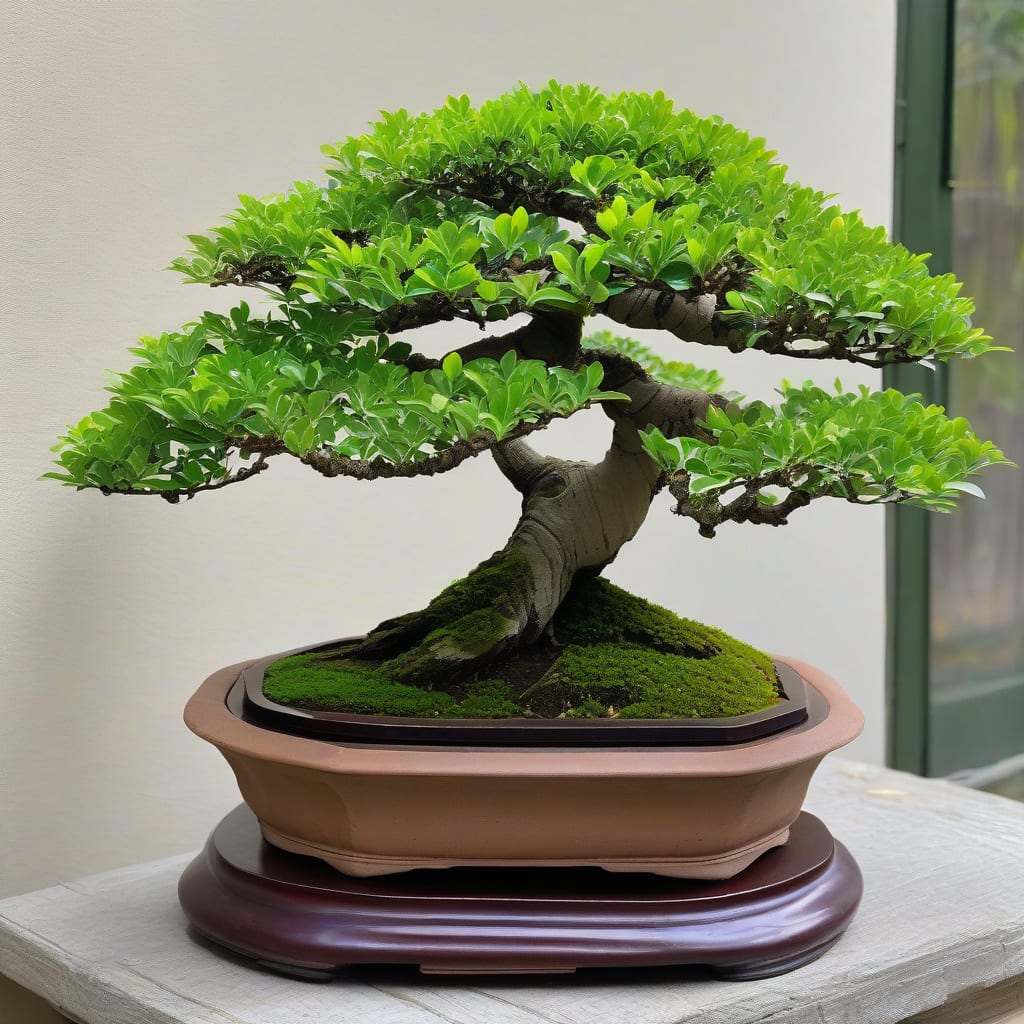
I’ve always been fascinated by the miniature beauty of Bonsai Trees 🌳. Growing one requires understanding its growth potential. The height of these trees varies greatly depending on species and training techniques.
In USDA Zone 6, you can successfully cultivate a Bonsai Tree with proper care. Let’s explore the factors that influence their growth and how to maintain their optimal height.

1-2 ft

2-4 ft

3-6 ft

3-10 ft
Understanding how tall bonsai trees can grow requires examining several key factors that influence their height. The species of the bonsai tree is one of the most significant determinants of its potential height.
Different species have varying natural growth habits, with some naturally growing taller than others. For example, junipers and pines can grow quite tall in their natural state, while maples and elms tend to be smaller 🌳.
The age of a bonsai tree also plays a crucial role in determining its height. Older trees can be trained to maintain smaller sizes through careful pruning and training. Younger trees, on the other hand, have more flexibility in terms of shaping their future growth patterns.
Training techniques such as pruning and wiring are essential for controlling the height and shape of bonsai trees. Regular pruning helps maintain the desired size, while wiring allows for precise shaping of branches 🔧.
Environmental conditions, including light, water, and nutrients, significantly impact the growth of bonsai trees. Providing the right balance of these factors is crucial for healthy growth and maintaining the desired height 🌿.
In conclusion, the height of bonsai trees is influenced by a combination of factors including species, age, training techniques, and environmental conditions. By understanding and managing these factors, bonsai enthusiasts can cultivate trees that thrive at their desired size.
Bonsai cultivation is both an art and a science, requiring patience and dedication to achieve the desired results. With proper care and attention, bonsai trees can remain healthy and beautiful for many years 🌳.
The art of bonsai cultivation continues to fascinate people around the world, offering a unique way to connect with nature and express creativity.
By mastering the techniques of bonsai cultivation, enthusiasts can create stunning miniature landscapes that reflect their personal style and artistic vision.
Understanding the typical height ranges for different bonsai tree species is crucial for selecting the right tree for your needs. Different species have varying natural growth habits and maximum heights 🌳.
The height of bonsai trees can vary significantly depending on the species. Some species naturally grow taller than others, and understanding these differences is key to successful bonsai cultivation.
The Ficus species is known for its adaptability and can grow up to 6 feet tall, with an average height of 2-4 feet. The Juniper species can reach heights of up to 8 feet, with an average height of 3-6 feet. The Maple species typically grows to be around 1-3 feet tall, with a maximum height of 4 feet 🌲.
When selecting a bonsai tree species, it’s essential to consider the mature size of the tree and how it will fit into your desired landscape or container. Regular pruning and training can help maintain the desired height and shape of your bonsai tree.
By understanding the typical height ranges for different bonsai tree species, you can make informed decisions about which species to cultivate and how to care for them effectively 🌿.
Different bonsai tree species have unique characteristics that affect their growth habits and maximum heights. Researching the specific needs and growth patterns of your chosen species is crucial for successful bonsai cultivation.
With proper care and attention, bonsai trees can thrive and remain healthy for many years, providing a beautiful and unique addition to any garden or indoor space 🌸.
Controlling the height of bonsai trees is an essential skill for enthusiasts. By mastering various techniques and understanding key factors, you can maintain your tree’s desired size and shape 🌳.
The first step in controlling bonsai tree height is understanding the importance of pruning. Regular pruning helps maintain the tree’s shape and size by removing unwanted growth 🔥.
Remove unwanted branches and maintain desired shape
Guide branches into desired positions using bonsai wire
Use appropriately sized pots to control root growth
Another crucial technique is wiring, which allows you to shape the tree’s branches precisely. By carefully wiring your bonsai, you can achieve the desired shape and maintain its aesthetic appeal 🔧.
Potting is also a critical factor in controlling bonsai tree height. Using pots that are appropriately sized for your tree helps manage its root system, which in turn affects its overall growth 🌱.
By combining these techniques and maintaining a consistent care routine, you can effectively control your bonsai tree’s height and enjoy a beautiful, thriving miniature tree 🌿.
Regular maintenance is key to successful bonsai cultivation. Stay committed to your tree’s care, and you’ll be rewarded with a stunning bonsai that reflects your dedication 🌟.
