
Beautiful Plants For Your Interior
Beautiful Plants For Your Interior
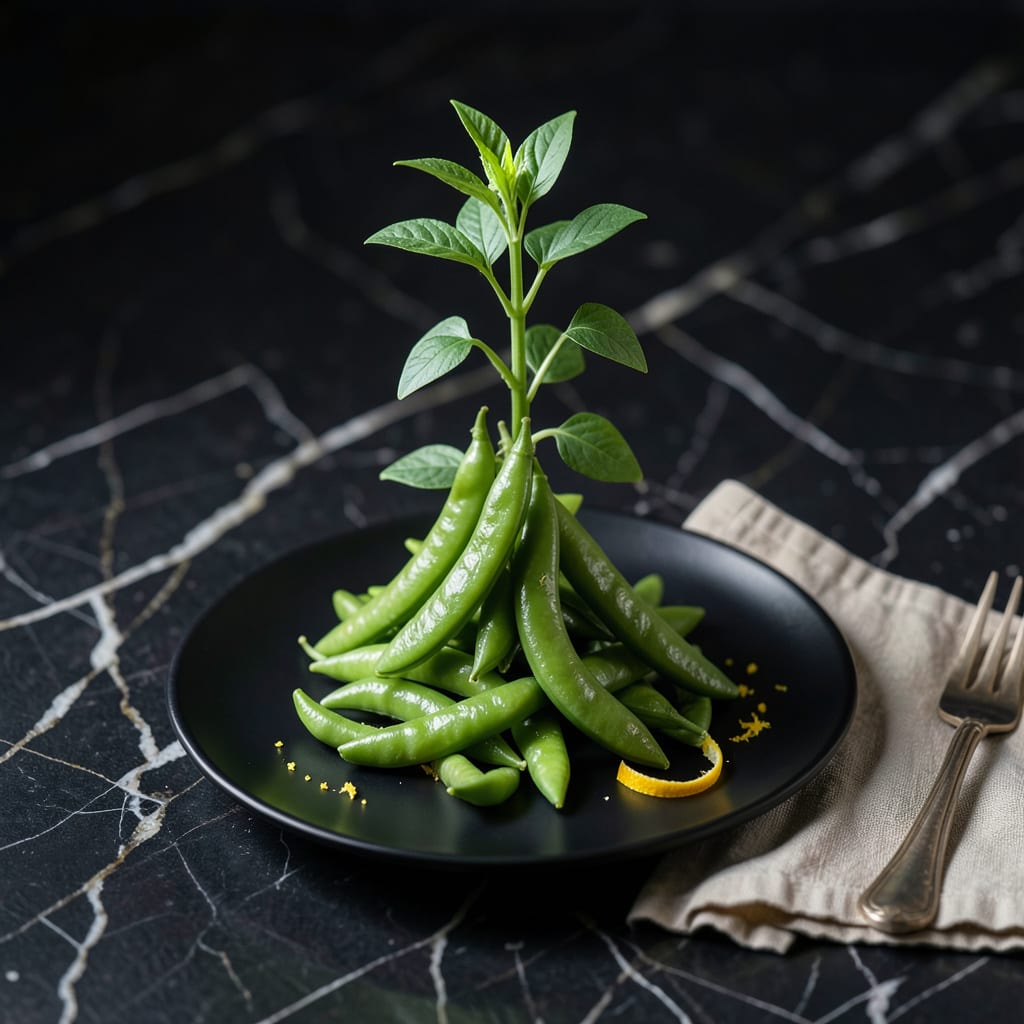
I’ve grown Bush Beans 🌽 in my garden for years, and I’m always amazed by their compact growth habit. Typically, they reach 1-3 feet tall, making them perfect for small spaces.
Understanding their growth patterns is key to maximizing your harvest. Let’s explore what affects their height and how to optimize growing conditions for a bountiful yield.


Bush beans are a popular choice for home gardeners due to their compact growth habit and high yields. Typically, they grow between 1-3 feet tall, making them ideal for small gardens or containers. The exact height can vary depending on the specific variety and growing conditions 🌽.
Understanding the growth patterns of bush beans is crucial for maximizing your harvest. These plants are known for their bushy habit, which means they don’t require the same level of support as pole beans. However, factors such as soil quality, sunlight, and watering practices can significantly impact their development.
The height of bush beans can be influenced by several factors, including the specific variety, soil quality, and growing conditions. Generally, they are knee-high when mature, making them easy to harvest without needing ladders or other support structures.
Bush beans are known for their compact growth habit, which allows them to thrive in smaller spaces compared to pole beans. This characteristic makes them ideal for container gardening or small backyard plots.
One of the key advantages of bush beans is their minimal support needs. Unlike pole beans, which require trellises or other support structures, bush beans can grow and produce a bountiful harvest without additional support. This makes them a low-maintenance option for gardeners 🌱.
The growth cycle of bush beans is relatively quick, with most varieties ready to harvest within 50-60 days of planting. This rapid growth cycle allows gardeners to enjoy multiple harvests throughout the growing season.
To optimize the growth of bush beans, gardeners should focus on providing full sun and well-draining soil. Bush beans thrive in conditions with 6+ hours of direct sunlight per day and soil that is rich in organic matter.
In terms of specific growth characteristics, bush beans tend to flower and produce beans simultaneously. This means that gardeners can expect to see flowers and beans developing at the same time, typically within a few weeks of planting.
Overall, bush beans are a versatile and productive crop that can be grown in a variety of conditions. By understanding their growth habits and providing optimal growing conditions, gardeners can enjoy a bountiful harvest of delicious, fresh beans 🌼.
Bush beans are also known for their high yield potential. When grown under optimal conditions, a single bush bean plant can produce multiple pods, providing a generous harvest for gardeners.
To further maximize yields, gardeners can implement successive planting techniques. By planting bush beans at regular intervals, gardeners can enjoy a continuous harvest throughout the growing season.
In conclusion, bush beans are a rewarding crop for gardeners of all skill levels. Their compact growth habit, minimal support needs, and high yield potential make them an ideal choice for small gardens and containers.
Several factors can significantly impact the height and overall health of bush bean plants. Understanding these factors is crucial for optimizing growing conditions and maximizing yields. The key factors include soil quality, sunlight exposure, watering practices, and plant spacing 🌿.
Poor soil quality can significantly impact bush bean growth. Ensure your soil is well-draining and rich in organic matter. Avoid heavy clay or sandy soils that can cause waterlogging or nutrient deficiencies.
Soil quality plays a critical role in determining the height and health of bush beans. These plants prefer well-draining soil that is rich in organic matter. Soil that is too dense or poorly draining can lead to waterlogged conditions, which can cause root rot and stunted growth.
Sunlight exposure is another crucial factor. Bush beans require full sun to thrive, meaning they need at least 6 hours of direct sunlight per day. Insufficient sunlight can result in leggy growth and reduced yields.
Watering practices also significantly impact bush bean health. Consistent moisture is key, especially during flowering and pod formation. However, overwatering can lead to root rot, while underwatering can cause stress and reduce yields.
Plant spacing is equally important. Bush beans should be planted 2-3 inches apart to allow for adequate air circulation and prevent overcrowding. Proper spacing helps reduce the risk of disease and ensures that each plant receives sufficient nutrients and sunlight 🌼.
By understanding and managing these factors, gardeners can create optimal growing conditions for their bush beans, leading to healthier plants and more abundant harvests.
In addition to these factors, fertilization practices can also impact bush bean growth. Using a balanced fertilizer at planting time and again during the growing season can provide essential nutrients for healthy plant development.
Overall, bush beans are a relatively low-maintenance crop, but they still require careful attention to their growing conditions. By providing the right environment and care, gardeners can enjoy a successful harvest of delicious, fresh beans.
To maximize bush bean yields, gardeners should focus on providing optimal growing conditions and proper care. This includes using appropriate planting techniques, maintaining good fertilization practices, managing pest and disease effectively, and harvesting at the right time 🌼.
Plant bush beans 1-2 inches deep and 2-3 inches apart after the last frost date. Ensure the soil has warmed to at least 60°F for optimal germination.
Use a balanced fertilizer at planting time and side-dress with additional fertilizer when plants are about 6 inches tall. This supports healthy growth and maximizes pod production.
Regularly inspect plants for signs of pests or disease. Use organic pest control methods whenever possible to minimize environmental impact and keep plants healthy.
Harvest bush beans regularly when pods are plump and tender. Check plants every 2-3 days during peak production to ensure optimal flavor and texture 🌽.
By following these guidelines, gardeners can significantly improve their bush bean yields. Proper care and attention to detail are key to enjoying a bountiful harvest of delicious, fresh beans.
Regular harvesting not only provides more beans but also encourages the plants to continue producing. This makes bush beans a rewarding crop for gardeners of all skill levels 🌱.
In summary, maximizing bush bean yields requires a combination of proper planting techniques, effective fertilization, vigilant pest management, and timely harvesting. By implementing these strategies, gardeners can enjoy a successful and productive growing season.
