
Beautiful Plants For Your Interior
Beautiful Plants For Your Interior
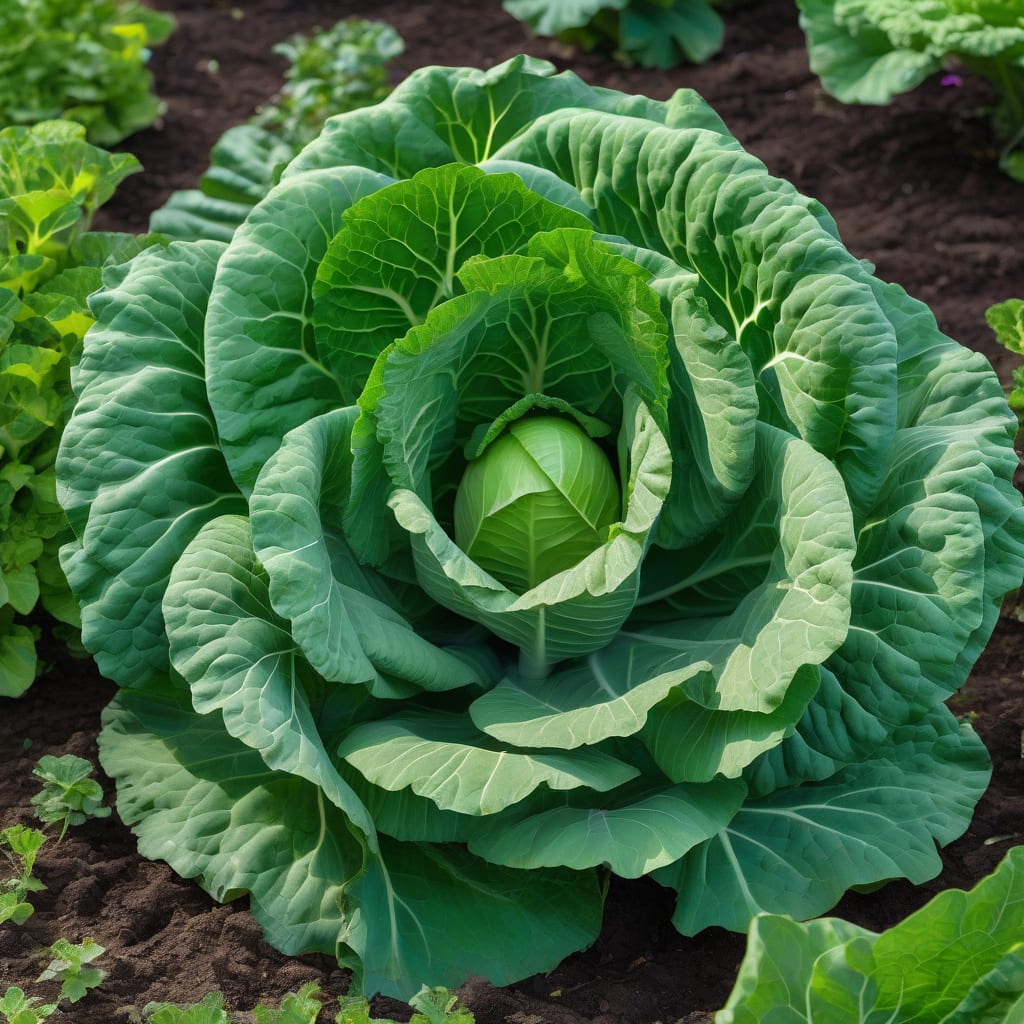
When growing 🥬 Cabbage in your garden, understanding its height is crucial for planning. Typically, Cabbage plants grow between 1-2 feet tall, depending on the variety and growing conditions.
In USDA Zone 6, you can expect optimal growth during Spring or Fall seasons. Proper spacing and care will help you achieve the best results. Let’s explore the factors that influence Cabbage plant height and how to maximize your harvest.

Cabbage plants typically grow between 1-2 feet tall, with some varieties reaching slightly taller heights under optimal conditions. The height of a cabbage plant is influenced by several factors including the specific variety, growing conditions, and cultivation practices 🌱.
Understanding the growth stages of cabbage is crucial for maximizing your harvest. Cabbage plants go through several distinct growth phases, from seedling establishment to head formation. Let’s explore these stages in more detail and examine the factors that affect their mature size.
The typical height range for cabbage plants is between 12-24 inches, with most varieties falling within this range. Factors such as soil quality, watering, and sunlight exposure can influence the final height of the plants 🌿.
Different cabbage varieties exhibit varying growth habits. Some compact varieties may remain shorter, while larger types can grow taller. Understanding these differences helps gardeners choose the right variety for their space 🌱.
Cabbage plants require full sun to partial shade and consistent moisture to reach their full height potential. Proper spacing, typically 18-24 inches between plants, allows for adequate air circulation and room for head development 🌻.
Soil quality plays a crucial role in cabbage plant growth. Well-draining, fertile soil with a pH between 6.0 and 7.0 provides optimal conditions for healthy plant development and maximum height 🌱.
Regular watering is essential for maintaining consistent growth. Cabbage plants need about 1-2 inches of water per week, either from rainfall or irrigation. This consistent moisture helps prevent stress that could limit plant height 💧.
Nutrient management is another critical factor. Balanced fertilization during the growing season supports healthy leaf development and head formation. Gardeners should follow specific fertilizer recommendations for their cabbage variety 🌼.
By understanding these factors and providing optimal growing conditions, gardeners can maximize their cabbage plant height and achieve a bountiful harvest 🥬.
Monitoring plant growth regularly allows gardeners to identify any potential issues early. This proactive approach helps maintain healthy plants that can reach their full height potential 📏.
Proper pest and disease management also contributes to healthy plant growth. By controlling common cabbage pests and diseases, gardeners can ensure their plants have the best chance to reach their maximum height 🌿.
In conclusion, while cabbage plants typically grow between 1-2 feet tall, understanding and managing the various factors that influence their height can help gardeners achieve the best possible results in their gardens 🌻.
Cabbage plant height is influenced by multiple factors that gardeners can control to maximize their harvest. Understanding these elements helps create optimal growing conditions for healthier plants 🌿.
Variety selection plays a crucial role in determining cabbage plant height. Different cabbage varieties have unique growth characteristics, with some being naturally more compact while others grow taller 🌱.
The growing environment significantly impacts cabbage plant height. Factors such as soil quality, sunlight exposure, and watering practices all contribute to the overall health and size of the plants 🌻.
Soil quality is particularly important for cabbage growth. Well-draining, fertile soil with appropriate pH levels creates ideal conditions for root development and overall plant health 🌱.
Sunlight exposure affects photosynthesis and plant growth. Cabbage requires full sun to partial shade, with at least six hours of direct sunlight daily for optimal development 🌞.
Water management is critical for consistent growth. Cabbage plants need consistent moisture, typically requiring about 1-2 inches of water per week, either from rainfall or irrigation 💧.
Nutrient management through balanced fertilization supports healthy leaf development and head formation. Gardeners should follow specific fertilizer recommendations for their cabbage variety 🌼.
By understanding and managing these factors, gardeners can create optimal conditions for their cabbage plants to reach their full height potential and produce a bountiful harvest 🥬.
Regular monitoring of plant growth allows gardeners to identify potential issues early, maintaining healthy plants that can achieve their maximum height 📏.
Implementing proper spacing, typically 18-24 inches between plants, ensures adequate air circulation and room for head development, contributing to healthier plants and better yields 🌻.
To maximize cabbage plant growth and yield, gardeners should focus on creating optimal growing conditions. This includes providing consistent moisture, maintaining proper spacing, and ensuring adequate nutrition 🌿.
Use well-draining, fertile soil with a pH between 6.0 and 7.0 for optimal root development 🌱.
Space cabbage plants 18-24 inches apart to allow for adequate air circulation and head development 🌻.
Ensure cabbage plants receive 1-2 inches of water per week, either from rainfall or irrigation 💧.
By following these expert tips, gardeners can create an optimal environment for their cabbage plants to thrive. Regular monitoring of plant growth and adjusting care practices as needed will help achieve the best possible results 🌼.
Balanced fertilization is also crucial for healthy cabbage plant growth. Gardeners should follow specific fertilizer recommendations for their cabbage variety to support leaf development and head formation 🌿.
Implementing these strategies will help maximize cabbage plant growth and yield, resulting in a bountiful harvest of delicious, healthy cabbage heads 🥬.
