
Beautiful Plants For Your Interior
Beautiful Plants For Your Interior
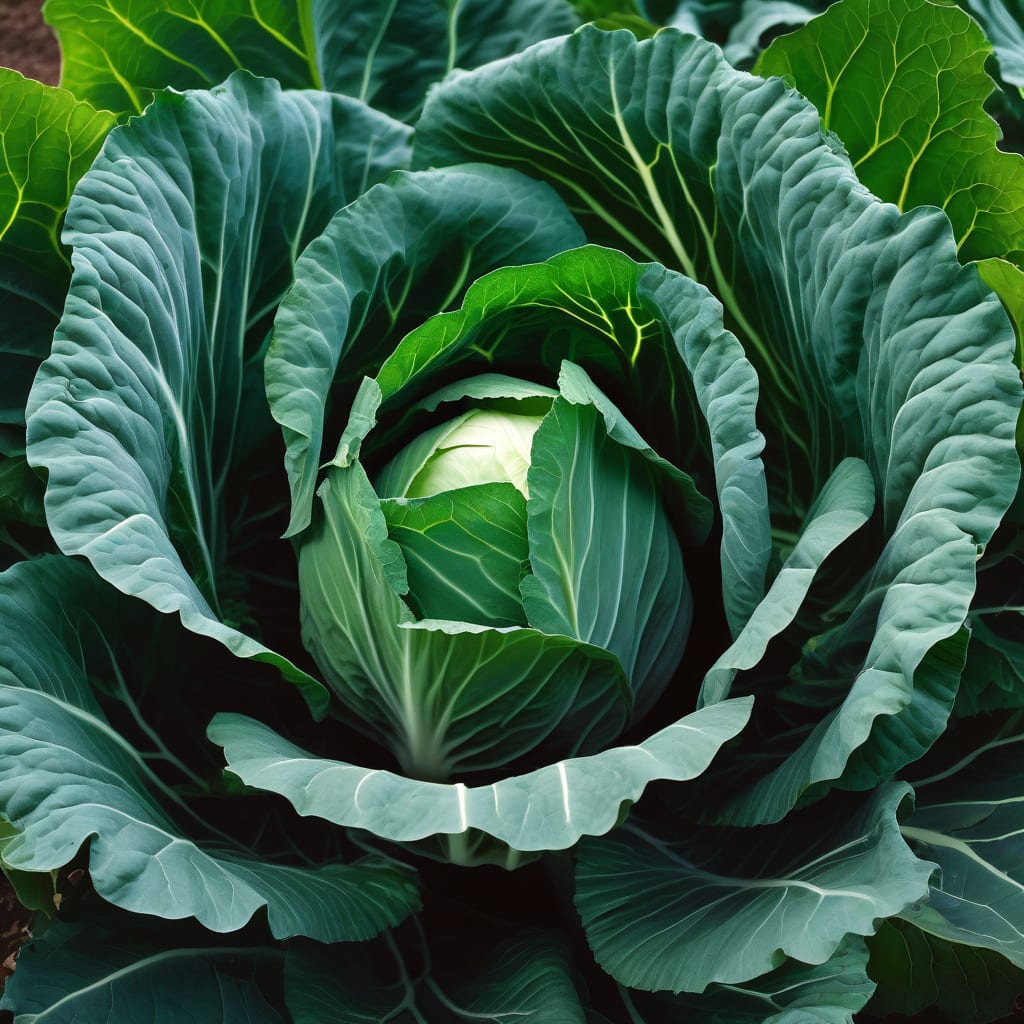
Growing 🥬 cabbage can be a rewarding experience, but have you ever wondered just how tall it can grow? The height of your cabbage plants depends on several factors, including the variety and growing conditions.
In general, cabbage plants typically grow between 1-2 feet tall, making them a compact addition to your garden in USDA Zone 6. Let’s explore what influences their growth and how you can optimize their development.

Cabbage is a cool-season crop that typically grows between 1-2 feet tall, making it a compact addition to most gardens. The exact height can vary depending on the specific variety and growing conditions. In general, cabbage plants develop a dense head surrounded by outer leaves, which contribute to their overall size and structure 🌱.
To better understand cabbage growth, let’s examine some key characteristics. Cabbage plants are known for their compact growth habit, which makes them suitable for a variety of garden settings. The average height range for most cabbage varieties falls between 12-24 inches, with some varieties growing slightly taller or shorter.
The height of cabbage plants can be influenced by several factors, including soil quality, sunlight exposure, and watering practices. Understanding these factors is crucial for optimizing cabbage growth and achieving the best possible harvest 🌱.
Cabbage plants generally require full sun to partial shade to grow well, with a minimum of 6 hours of direct sunlight per day. The soil should be well-draining and fertile, with a pH between 6.0 and 7.0. Consistent moisture is also important, as cabbage plants need consistent watering to develop properly.
By understanding these growth characteristics and factors, gardeners can better manage their cabbage crops and optimize their growth for maximum yield. Proper care and attention to the specific needs of cabbage plants can help ensure a successful harvest 🌟.
When planning your cabbage crop, it’s essential to consider the space requirements for these plants. Cabbage typically needs 18-24 inches between plants to grow properly, with rows spaced about 2-3 feet apart. This spacing allows for good air circulation and helps prevent disease issues.
In addition to proper spacing, fertilization plays a crucial role in cabbage growth. A balanced fertilizer applied at planting time and again when the plants are about 6 inches tall can help promote healthy growth and development. Cabbage is a heavy feeder and benefits from regular nutrient applications throughout the growing season.
Overall, understanding the growth habits and requirements of cabbage plants is key to successful cultivation. By providing the right conditions and care, gardeners can enjoy a bountiful harvest of delicious, crunchy cabbage 🌿.
Cabbage growth is influenced by multiple factors that determine its final height. The variety of cabbage is a primary factor, as different types have been bred for specific growth characteristics. Some cabbage varieties are naturally more compact, while others may grow slightly taller 🌱.
Environmental conditions play a crucial role in cabbage growth. Temperature is particularly important, as cabbage is a cool-season crop that thrives in temperatures between 60-70°F (15-21°C). Extreme temperatures can negatively impact growth and development.
Cabbage height is influenced by variety, temperature, soil quality, and watering practices. Optimal conditions include cool temperatures, well-draining soil, and consistent moisture.
Soil quality is another critical factor affecting cabbage height. The plants prefer well-draining, fertile soil with a pH between 6.0 and 7.0. Soil that is too dense or lacking in nutrients can limit root development and, consequently, plant height.
Watering practices also impact cabbage growth. Consistent moisture is essential, especially during head formation. Cabbage plants need 1-2 inches of water per week, either from rainfall or irrigation. Inconsistent watering can lead to bolting or reduced head quality.
The spacing between plants is vital for optimal growth. Cabbage plants should be spaced 18-24 inches apart to allow for proper air circulation and prevent disease issues. Proper spacing also ensures that each plant receives adequate nutrients and water.
Nutrient availability affects cabbage growth. A balanced fertilizer applied at planting and when plants are about 6 inches tall can promote healthy growth. Cabbage is a heavy feeder, so regular fertilization is beneficial.
By understanding and managing these factors, gardeners can optimize the growth of their cabbage plants and achieve the best possible height and yield. Proper care and attention to the specific needs of cabbage can lead to a successful harvest 🌿.
To maximize cabbage height, gardeners should focus on proper spacing, consistent watering, and appropriate fertilization. Cabbage plants need 18-24 inches between them to grow properly, allowing for good air circulation and preventing disease issues 🌿.
For optimal cabbage growth, maintain consistent moisture and use a balanced fertilizer at planting and when plants are about 6 inches tall. This promotes healthy development and maximizes height potential.
Watering practices play a crucial role in cabbage development. The plants require 1-2 inches of water per week, either from rainfall or irrigation. Consistent moisture is particularly important during head formation to prevent bolting or reduced head quality 💧.
Fertilization is another key factor in maximizing cabbage height. A balanced fertilizer (such as 10-10-10 NPK) should be applied at planting time and again when the plants are about 6 inches tall. Cabbage is a heavy feeder, so regular nutrient applications throughout the growing season are beneficial 🌟.
By following these gardening techniques, gardeners can optimize the growth of their cabbage plants and achieve the best possible height and yield. Proper care and attention to the specific needs of cabbage can lead to a successful harvest 🥬.
