
Beautiful Plants For Your Interior
Beautiful Plants For Your Interior
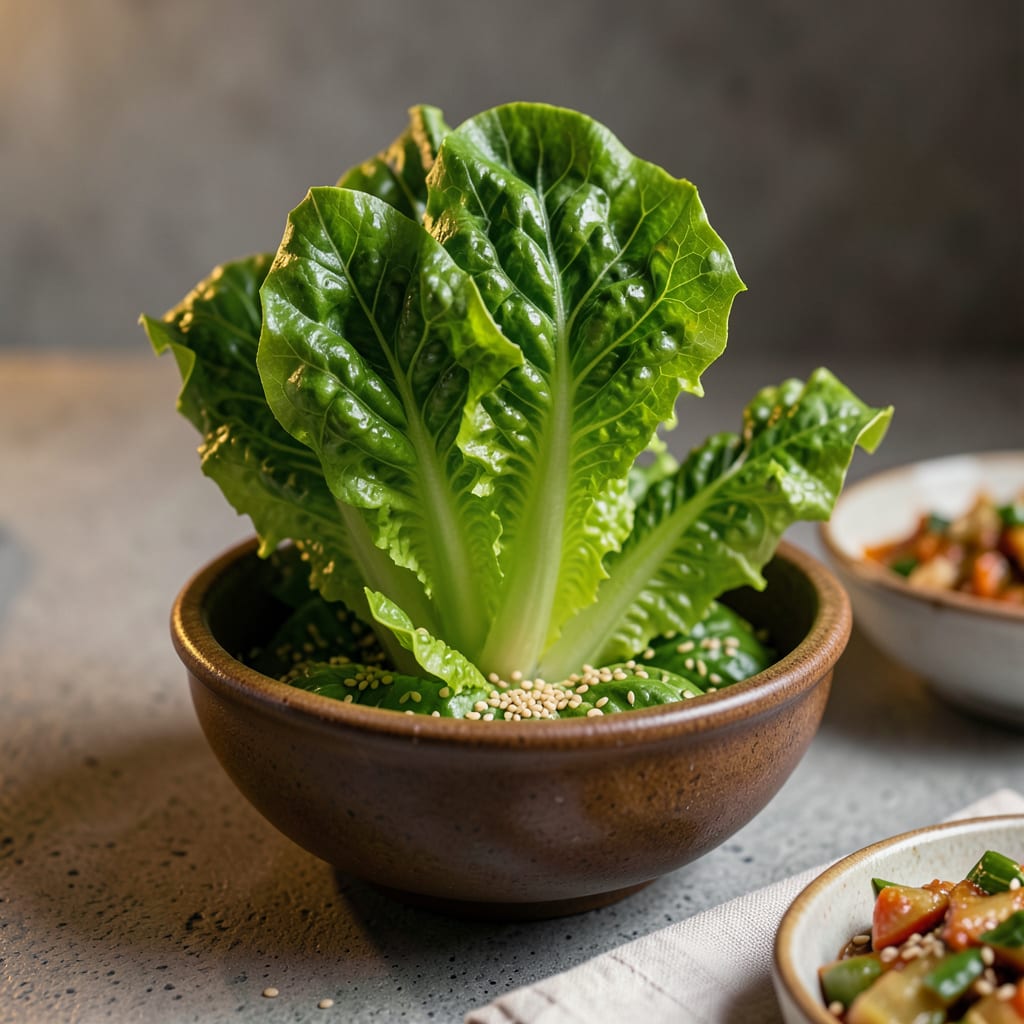
When growing 🥗 Lettuce, understanding its height is crucial for maximizing your harvest. The height of Lettuce can vary significantly based on factors like variety and growing conditions.
In USDA Zone 6, you can expect Lettuce to grow between 0.5 to 1.5 feet tall. Proper care and optimal growing conditions can help you achieve the best possible height for your Lettuce crop.


Lettuce is one of the most popular garden vegetables, and understanding its growth patterns can significantly impact your harvest success. Lettuce typically grows between 0.5 to 1.5 feet tall, depending on the variety and growing conditions.
The height of Lettuce can vary based on factors such as the specific variety, soil quality, and environmental conditions. In USDA Zone 6, Lettuce is typically grown in early spring or late summer when temperatures are cooler.
The growth of Lettuce begins with germination, which typically occurs within 7-10 days after sowing the seeds. After germination, the seedlings emerge and start developing their first true leaves.
As the plants mature, they form a rosette of leaves that can continue to grow in size and height. The exact height Lettuce reaches can be influenced by factors such as soil quality, watering practices, and temperature.
Lettuce prefers cooler temperatures, typically between 40°F to 70°F (4°C to 21°C), which helps in maintaining its optimal growth rate and height. In warmer conditions, Lettuce may bolt, or go to seed, which can affect its height and quality.
Different varieties of Lettuce have different growth habits. For example, loose-leaf Lettuce tends to be more compact, while romaine Lettuce can grow taller and more upright.
To achieve the maximum height for your Lettuce, it’s essential to provide optimal growing conditions, including adequate moisture, proper spacing, and balanced fertilization. Regular harvesting can also encourage Lettuce to continue producing new leaves.
Monitoring the growth of your Lettuce plants and adjusting your care practices accordingly can help ensure a healthy and productive crop. By understanding the factors that affect Lettuce height, you can better manage your garden for optimal results 🌿.
In summary, Lettuce can grow to varying heights based on the variety and growing conditions. By providing the right care and maintaining optimal growing conditions, you can achieve a successful harvest 🌼.
For gardeners in USDA Zone 6, planting Lettuce in early spring or late summer is recommended to take advantage of the cooler temperatures that Lettuce prefers.
Proper care, including consistent watering and appropriate fertilization, will help your Lettuce plants reach their full potential height and provide a bountiful harvest 🥗.
Lettuce height can be influenced by various environmental factors that gardeners should consider for optimal growth. Understanding these factors is crucial for maximizing both the height and quality of your Lettuce crop.
One of the primary factors affecting Lettuce height is sunlight exposure. Lettuce requires 4-6 hours of indirect sunlight daily. Too much direct sunlight can cause Lettuce to bolt, reducing its height and quality 🌞.
Lettuce is a cool-season crop that thrives in temperatures between 40°F to 70°F (4°C to 21°C). Temperatures outside this range can negatively impact Lettuce height and quality.
Soil quality is another critical factor. Lettuce prefers well-draining, fertile soil rich in organic matter. Poor soil quality can limit root development, affecting overall plant height 🌱.
Watering practices significantly impact Lettuce growth. Consistent moisture is essential, but overwatering can lead to root rot and reduced height. Aim for even moisture without waterlogging 💧.
Temperature plays a vital role in Lettuce growth. Lettuce is sensitive to extreme temperatures. High temperatures can cause bolting, while very low temperatures can slow growth ❄️.
Spacing between Lettuce plants is also crucial. Proper spacing ensures that each plant receives adequate air circulation and light, promoting healthy growth and maximum height 📏.
By understanding and managing these factors, gardeners can create optimal conditions for their Lettuce, maximizing both height and yield. Regular monitoring and adjustments to care practices will help ensure a healthy and productive crop 🌼.
In USDA Zone 6, gardeners should be particularly mindful of temperature fluctuations and adjust their care practices accordingly to protect their Lettuce crop 🌡️.
Implementing these strategies will help you achieve the best possible height for your Lettuce, ensuring a bountiful and healthy harvest 🥗.
To achieve the maximum height for your Lettuce, it’s essential to provide optimal growing conditions. This includes ensuring adequate moisture, proper spacing, and balanced fertilization. Regular harvesting can also encourage Lettuce to continue producing new leaves.
Ensure Lettuce plants are spaced 4-6 inches apart to allow for proper air circulation and light penetration, promoting healthy growth and maximum height.
Use a balanced fertilizer (10-10-10 NPK) every 2-3 weeks to provide essential nutrients for optimal Lettuce growth and height.
Regularly harvest outer leaves to encourage the plant to continue producing new growth, maintaining its height and productivity.
By implementing these expert tips, you can maximize the height and yield of your Lettuce crop. Proper care and attention to detail will ensure a healthy and productive harvest 🌼.
For gardeners in USDA Zone 6, following these guidelines will help you achieve the best possible results for your Lettuce crop, ensuring a bountiful harvest 🥗.
Monitoring your Lettuce plants regularly and adjusting your care practices as needed will help you achieve optimal growth and maximum height 🌿.
