
Beautiful Plants For Your Interior
Beautiful Plants For Your Interior
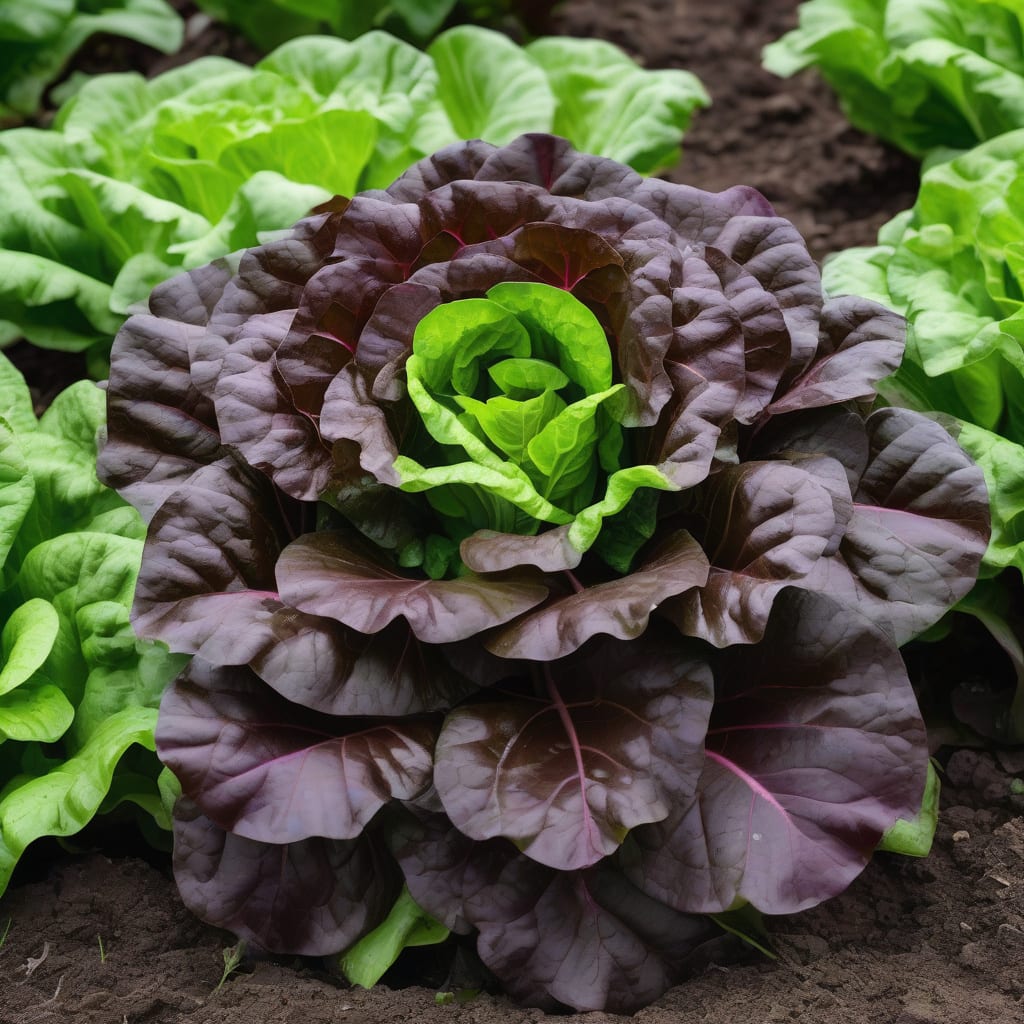
Growing Lettuce 🥗 can be a rewarding experience, but have you ever wondered how tall these plants can actually grow? Understanding their growth patterns is key to maximizing your harvest.
Lettuce plants typically grow between 0.5 to 1.5 feet tall, depending on the variety and growing conditions in your USDA Zone 6 garden. Let’s explore the factors that influence their height and how to optimize their growth.

Lettuce plants come in various types, each with its own growth characteristics. The height of lettuce plants can vary significantly depending on the specific variety you’re growing. Let’s explore the different types and their growth patterns.
The main types of lettuce are loose-leaf, romaine, butterhead, and crisphead. Each type has its own unique height characteristics. For example, loose-leaf lettuce tends to be more compact, while romaine lettuce can grow taller.
The ideal height for lettuce plants can vary depending on the variety and growing conditions. Generally, most lettuce types reach their full height within 4-6 weeks after planting 🌱.
Factors such as soil quality, watering, and sunlight exposure can significantly impact lettuce plant height. Proper spacing between plants is also crucial for optimal growth.
For loose-leaf lettuce, regular harvesting can encourage bushy growth rather than tall stalks. Romaine and crisphead varieties, on the other hand, tend to grow more upright and may require support as they mature 🌿.
Understanding these growth patterns helps gardeners plan their lettuce cultivation effectively. By choosing the right variety and providing optimal growing conditions, you can achieve the best possible height and harvest for your lettuce plants.
Lettuce plants generally thrive in cooler temperatures and consistent moisture. These conditions promote healthy growth and help plants reach their full potential height.
Regular monitoring of your lettuce plants’ growth is essential. This allows you to identify any issues early and make necessary adjustments to ensure optimal height and overall health.
By considering the specific needs of your lettuce variety and adjusting your gardening practices accordingly, you can maximize your harvest and enjoy fresh, healthy lettuce throughout the growing season 🌻.
To achieve the best results, it’s crucial to understand that lettuce is a cool-season crop. This means it grows best in the cooler temperatures of spring or fall.
In summary, while lettuce plants can grow to varying heights depending on the type, most reach between 0.5 to 1.5 feet tall under optimal conditions. By understanding the growth habits of different lettuce varieties and providing appropriate care, gardeners can optimize their lettuce plants’ height and enjoy a bountiful harvest.
To achieve maximum height in lettuce plants, it’s essential to understand the key factors that influence their growth. Proper gardening techniques can significantly impact the height and overall health of your lettuce.
First, soil quality plays a crucial role in lettuce growth. Lettuce prefers well-draining, fertile soil rich in organic matter. Ensuring your soil has the right balance of nutrients is vital for optimal growth.
Space lettuce plants 4-6 inches apart to prevent overcrowding and allow for air circulation, which helps prevent diseases.
Keep the soil consistently moist but not waterlogged. Lettuce needs about 1-2 inches of water per week.
Provide 4-6 hours of indirect sunlight per day. Too much direct sunlight can cause bolting.
By following these gardening tips, you can create an optimal environment for your lettuce plants to grow to their maximum height. Regular monitoring and adjustments to your care routine will help ensure a healthy and bountiful harvest 🌿.
It’s also important to note that different lettuce varieties have different needs. Understanding the specific requirements of your lettuce type will help you tailor your care approach for the best results.
Regular harvesting is another technique to encourage healthy growth. For loose-leaf lettuce, harvesting outer leaves can promote bushy growth and prevent the plant from flowering too early.
In addition to these tips, maintaining cooler temperatures around your lettuce plants can significantly enhance their growth. Lettuce is a cool-season crop, thriving in temperatures between 40°F to 70°F (4°C to 21°C).
By combining these strategies, you can optimize the growth of your lettuce plants and achieve the maximum height for your specific variety 🌻.
Growing lettuce can be challenging due to various factors that affect its height and overall health. Understanding these challenges and their solutions is crucial for a successful harvest.
One of the primary challenges is pests that can damage lettuce plants. Common pests include aphids, slugs, and snails. These pests can weaken the plants, reducing their height and overall yield.
Regularly inspect your lettuce plants for signs of pests. Use organic pest control methods whenever possible to minimize harm to beneficial insects 🌿.
Diseases are another significant challenge. Fungal diseases like downy mildew and powdery mildew can infect lettuce plants, stunting their growth. Ensuring good air circulation and avoiding overhead watering can help prevent these issues.
Temperature fluctuations can also impact lettuce growth. Lettuce prefers cooler temperatures, and extreme heat can cause bolting, where the plant prematurely flowers and goes to seed. Providing shade during hot weather can help mitigate this issue 🌻.
Nutrient deficiencies can affect lettuce height as well. Ensuring your soil is rich in necessary nutrients, particularly nitrogen, can promote healthy leaf growth. Regular soil testing can help identify any deficiencies.
By understanding these common challenges and implementing appropriate solutions, you can optimize the growth of your lettuce plants and achieve a healthier, more bountiful harvest.
Regular monitoring of your plants is essential to catch any issues early. This proactive approach allows you to address problems before they significantly impact your lettuce plants’ height and overall health.
Implementing a combination of good gardening practices, such as proper spacing, consistent watering, and balanced fertilization, will help your lettuce plants reach their full potential height 🌱.
