
Beautiful Plants For Your Interior
Beautiful Plants For Your Interior
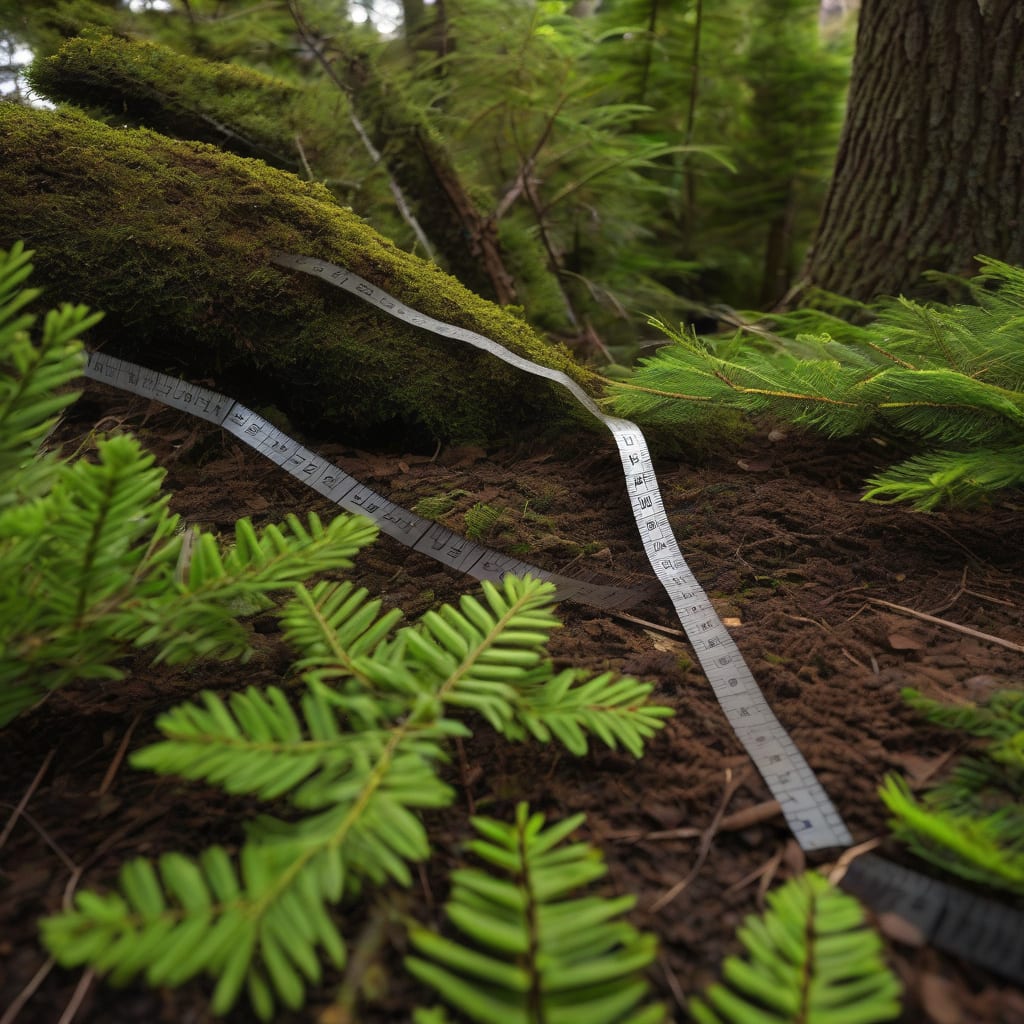
Evergreen trees 🌲 are a popular choice for landscaping due to their year-round foliage and varying growth patterns. Their height can range from 10 to 80 feet, depending on the species and growing conditions.
Understanding how tall evergreens can grow is crucial for proper planning and maintenance. I’ll explore the factors that influence their height and provide tips on how to manage their growth for optimal landscaping results.


Evergreen trees are known for their impressive height potential, with some species growing taller than others. The maximum height of evergreen trees varies greatly, ranging from 10 to 80 feet or more, depending on the specific variety and growing conditions 🌲.
The height of evergreen trees is influenced by factors such as soil quality, climate, and maintenance practices. Understanding these factors is crucial for gardeners and landscapers to make informed decisions when selecting and caring for evergreen trees 🌿.
The maximum height of evergreen trees is an important consideration for landscaping projects. Some species, like the Eastern White Pine, can grow to be quite tall, while others, like the Fraser Fir, remain relatively shorter 🌳.
When selecting evergreen trees for a landscaping project, it’s essential to consider the mature height of the tree to ensure it has enough space to grow without becoming too large for the surrounding area 📏.
Taller evergreen species like the Douglas Fir can create a dramatic landscape feature, while smaller varieties are perfect for hedges or borders 🏠.
Evergreen trees provide year-round structure and color to landscapes, making them a popular choice for gardeners and landscapers 🌿.
The height of evergreen trees can be influenced by various factors, including soil quality, climate, and maintenance practices. Understanding these factors is crucial for optimal growth and maintenance 🌟.
Some evergreen species are naturally taller than others, and their maximum height can be affected by factors such as soil quality and climate ☁️.
By understanding the maximum height potential of different evergreen species, gardeners and landscapers can make informed decisions when selecting trees for their projects 🌲.
Evergreen trees are a versatile and attractive addition to any landscape, providing year-round interest and structure 🏞️.
The specific growing conditions and maintenance practices can significantly impact the maximum height achieved by evergreen trees 🌿.
Regular maintenance, including pruning and watering, can help control the height of evergreen trees and promote healthy growth 💧.
The height of evergreen trees is influenced by various factors, including soil quality, climate conditions, and maintenance practices. Understanding these factors is crucial for gardeners and landscapers to make informed decisions when selecting and caring for evergreen trees 🌿.
Soil quality plays a significant role in determining the height of evergreen trees. Nutrient-rich soil with good drainage can support healthy growth, while poor soil conditions can limit tree height 🌳.
Evergreen trees can grow taller in cooler climates with adequate moisture, while hotter climates can limit their growth ☁️.
Climate conditions, such as temperature and moisture levels, also impact evergreen tree height. Trees growing in cooler climates with adequate moisture tend to grow taller than those in hotter climates 🌟.
Maintenance practices, including pruning and watering, can also influence evergreen tree height. Regular pruning can help control tree height, while adequate watering supports healthy growth 💧.
Soil pH is another critical factor affecting evergreen tree height. Most evergreen species prefer slightly acidic to neutral soil pH, ranging from 6.0 to 7.0 🌿.
In addition to soil quality and climate, sunlight exposure also plays a role in determining evergreen tree height. Trees receiving full sun tend to grow taller than those in shaded conditions 🌞.
By understanding the factors that influence evergreen tree height, gardeners and landscapers can make informed decisions when selecting and caring for these trees 🌲.
Proper care and maintenance can help promote healthy growth and maximize the height potential of evergreen trees 🌟.
Managing the height of evergreen trees is crucial for maintaining a well-designed landscape. Proper pruning techniques can help control their height while promoting healthy growth 🌳.
To effectively manage evergreen height, it’s essential to understand the specific pruning needs of your trees. Different species may require different pruning approaches 🌱.
Inspect your evergreen trees for any signs of disease or damage before pruning. Remove any dead or diseased branches to prevent further harm 🌿.
Prune your evergreen trees during their dormant season to minimize stress. Remove lower branches to maintain a clear trunk and reduce disease risk 🌲.
Regular maintenance pruning helps control the height and shape of your evergreen trees. Monitor their growth and adjust your pruning schedule as needed 📆.
By following these steps, you can effectively manage the height of your evergreen trees and maintain a beautiful, well-manicured landscape 🌸.
Proper pruning techniques not only control height but also promote healthy growth and improve the overall appearance of your evergreen trees 🌲.
Regular pruning can help reduce disease risk and improve air circulation around your evergreen trees, contributing to their overall health 🌿.
Managing evergreen height is an ongoing process that requires regular monitoring and adjustments to your pruning schedule as needed 🔍.
By understanding the specific needs of your evergreen trees and following proper pruning techniques, you can maintain a stunning landscape that enhances your property’s beauty 🏠.
