
Beautiful Plants For Your Interior
Beautiful Plants For Your Interior
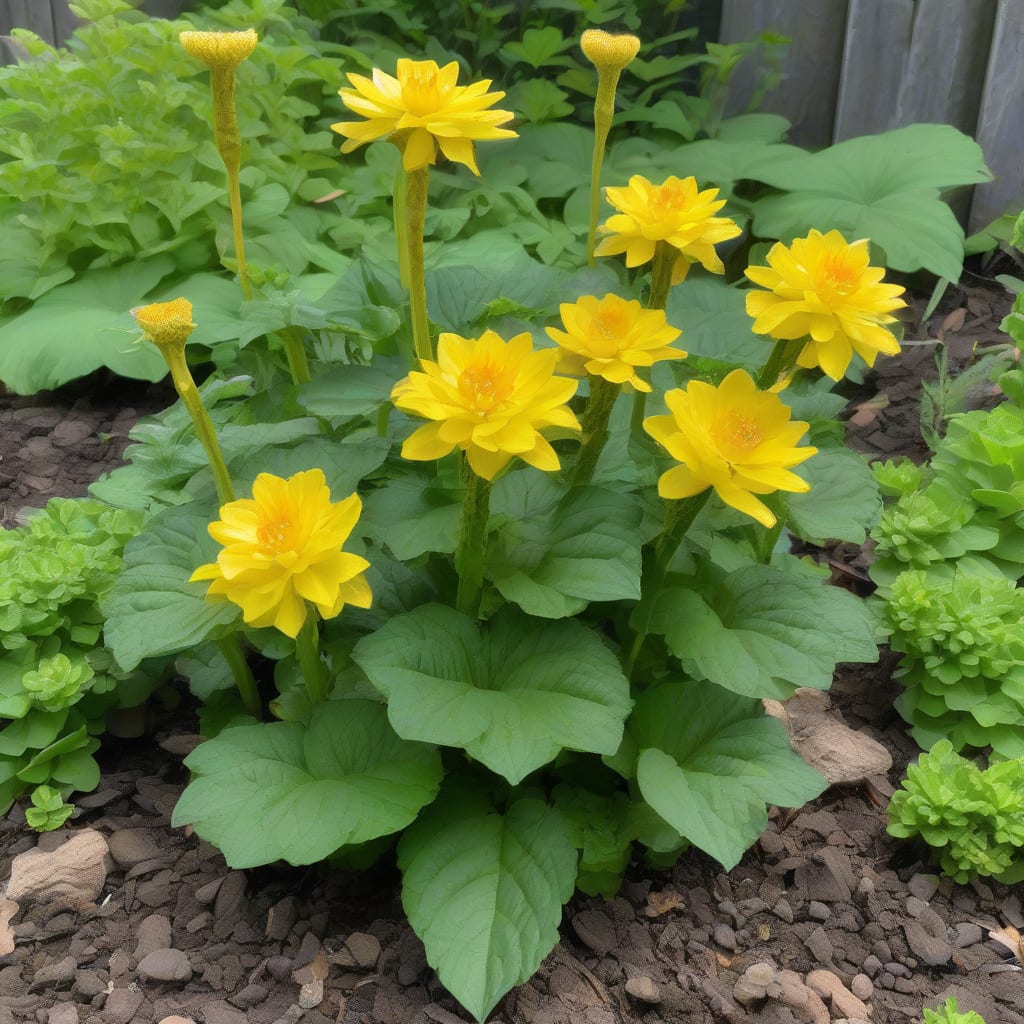
When I first started growing Sunchokes 🥔, I was surprised by their vigorous growth. These tall, statuesque plants can reach heights of 6 to 10 feet, making them a dramatic addition to any garden.
Understanding how to manage their height is crucial for optimal garden performance. In this guide, I’ll share expert tips on promoting healthy growth and addressing common issues that may arise with these remarkable plants.

4-6 ft

6-8 ft

8-10 ft

6-10 ft
Sunchokes, also known as Jerusalem artichokes, are known for their vigorous growth and ability to reach impressive heights. When I first started growing sunchokes, I was surprised by how tall they could grow 🌿.
The typical height of sunchokes can range from 6 to 10 feet, making them a dramatic addition to any garden. This height can be influenced by factors such as soil quality, sunlight, and watering conditions 🌻.
Understanding these growth characteristics is essential for effective garden planning and maintenance. Sunchokes are taller than most garden vegetables, which can impact their placement in the garden and their interaction with other plants.
The height of sunchokes can be both an advantage and a challenge. On one hand, their tall stalks can provide a natural screen or backdrop for other plants. On the other hand, they may require support or pruning to prevent them from overshadowing smaller plants or becoming too leggy 🔝.
Factors influencing sunchoke height include the specific cultivar being grown, as well as environmental conditions such as soil fertility and moisture levels. Gardeners should consider these factors when planning their sunchoke patch.
In my experience, sunchokes tend to grow more vigorously in rich, well-draining soil with adequate moisture. Providing full sun also promotes healthy growth and maximum height 🌞.
To manage the height of sunchokes effectively, gardeners can employ several strategies. Pruning or cutting back the plants can help control their height and encourage bushier growth. Additionally, providing support such as stakes or trellises can help keep the plants upright and prevent them from becoming too leggy 🌿.
It’s also worth noting that sunchokes are perennial plants, meaning they will regrow each year from their tubers. This perennial nature can impact their height over time, as the plants establish themselves and spread 🌱.
Overall, understanding the growth habits of sunchokes is crucial for successful cultivation. By recognizing the factors that influence their height and employing appropriate management strategies, gardeners can enjoy the many benefits of these versatile and productive plants 🌼.
In conclusion, sunchokes are impressive plants that can add both beauty and functionality to the garden. Their height is just one aspect of their overall growth habit, and with proper care and management, they can be a valuable addition to any garden 🌻.
When growing sunchokes, managing their height is crucial for maintaining a balanced garden ecosystem. I’ve found that pruning is an effective way to control their height and promote healthier growth 🌿.
To manage sunchoke height effectively, gardeners can employ several strategies. Pruning or cutting back the plants can help control their height and encourage busier growth. This can be done by cutting back the stalks to about 2-3 feet from the ground after they’ve reached their maximum height 🔝.
Prune sunchokes in early summer to control height and promote bushier growth. This will also help prevent them from overshadowing smaller plants.
In addition to pruning, soil management plays a critical role in managing sunchoke height. Sunchokes tend to grow more vigorously in rich, well-draining soil with adequate moisture. Ensuring the soil has the right balance of nutrients can help promote healthy growth 🌻.
Companion planting is another strategy that can help manage sunchoke height. Planting sunchokes alongside other tall plants can create a natural screen or backdrop for the garden. This can be particularly effective when paired with plants like sunflowers or corn 🌼.
It’s also worth noting that sunchokes are perennial plants, meaning they will regrow each year from their tubers. This perennial nature can impact their height over time, as the plants establish themselves and spread 🌱.
To further manage sunchoke height, gardeners can consider using support structures like stakes or trellises. These can help keep the plants upright and prevent them from becoming too leggy 🔝.
By combining these strategies, gardeners can effectively manage sunchoke height and create a more balanced and productive garden ecosystem 🌻.
In my experience, the key to managing sunchoke height is to be proactive and monitor the plants regularly. By pruning, managing soil quality, and using companion planting strategies, gardeners can enjoy the many benefits of sunchokes while maintaining a healthy and balanced garden 🌞.
Sunchokes, or Jerusalem artichokes, come in various cultivars that can affect their height. I’ve found that understanding these variations is key to managing their growth effectively 🌿.
Different sunchoke cultivars can grow to varying heights, ranging from 4 to 10 feet. Some popular varieties include ‘Stampede’ and ‘Fuseau’, which tend to grow taller, while others like ‘Dwarf Sunflower’ are more compact 🔝.
Growing conditions also play a significant role in determining sunchoke height. Factors such as soil quality, sunlight, and watering can impact how tall sunchokes grow 🌻.
In my experience, sunchokes grown in rich, well-draining soil with full sun tend to reach their maximum potential height. Conversely, sunchokes grown in poor soil or partial shade may be shorter and more stunted 🌱.
To maximize sunchoke height, gardeners should ensure they provide optimal growing conditions. This includes regular watering, adequate nutrients, and full sun 🌞.
By understanding the variations in sunchoke cultivars and growing conditions, gardeners can better manage their sunchoke patch and achieve the desired height 🌼.
In conclusion, sunchoke height can vary significantly based on cultivar and growing conditions. By selecting the right variety and providing optimal care, gardeners can enjoy a bountiful harvest of these versatile tubers 🌻.
