
Beautiful Plants For Your Interior
Beautiful Plants For Your Interior
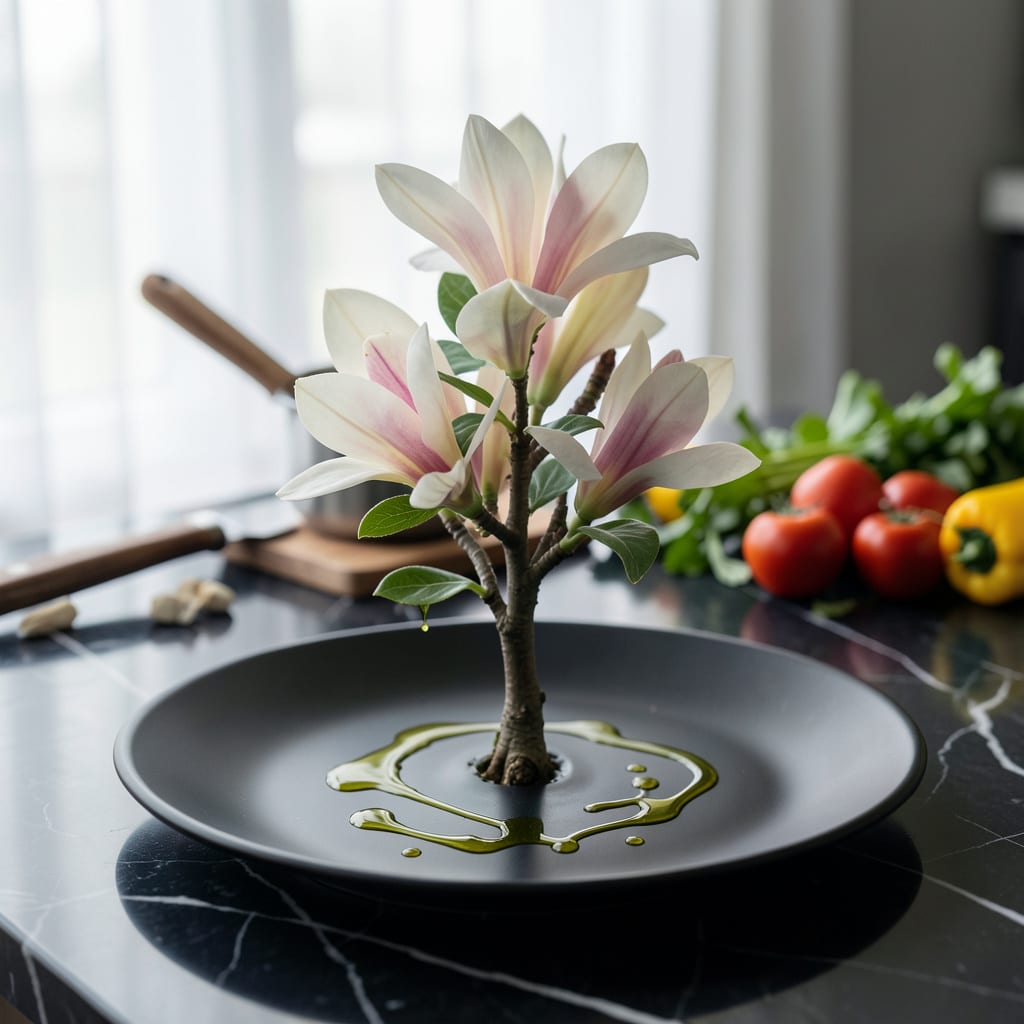
I’ve always been fascinated by the majestic Magnolia Tree 🌳, with its stunning flowers and impressive size. Understanding how tall these trees can grow is crucial for garden planning, especially in USDA Zone 6 where they thrive.
The height of a Magnolia Tree can vary greatly depending on factors like soil quality and climate. Let’s explore what you can expect from these beautiful trees and how to care for them to promote healthy growth.

I’ve found that several key factors influence the ultimate height of Magnolia Trees, including climate, soil quality, and tree variety. Understanding these factors is essential for gardeners to make informed decisions about planting and caring for their magnolia trees 🌳.
The height of a Magnolia Tree can be affected by various environmental conditions. For instance, climate plays a significant role, with trees growing taller in warmer, more humid climates. Soil quality is another crucial factor, as magnolias prefer well-draining, fertile soil to grow to their full potential.
The climate affects magnolia tree height by influencing growth rates and overall health. Trees grown in USDA Zone 6, for example, may not reach the same heights as those in warmer zones 🌟.
Soil quality is also vital, as magnolias thrive in soil that is rich in nutrients and has good drainage. Poor soil conditions can limit a tree’s growth potential 🌱.
The specific variety of magnolia is another important consideration. Some species, like the Southern Magnolia, can grow much taller than others, which can be a factor in choosing the right tree for your garden 🌳.
By considering these factors, gardeners can better predict and manage the height of their Magnolia Trees, ensuring they fit well within their landscape 🎯.
Understanding the factors that influence magnolia tree height is crucial for effective garden planning and tree care 📚.
Different magnolia species exhibit varying growth habits, which can impact their ultimate height 🌿.
For example, the Saucer Magnolia tends to be smaller than the Southern Magnolia, making it a better choice for smaller gardens 🌸.
By selecting the right magnolia variety for your climate and soil conditions, you can optimize its growth and height 🌞.
Proper care practices, such as regular watering and fertilization, can also support healthy growth and maximize tree height 💪.
Regular pruning can help control the size of magnolia trees, making them a versatile option for various garden sizes ✂️.
In conclusion, the height of Magnolia Trees is influenced by a combination of environmental and genetic factors, and understanding these can help gardeners make the most of these beautiful trees 🌳.
I’ve found that different magnolia species exhibit varying growth potentials, making it essential to understand the average and maximum heights of popular varieties. This knowledge helps gardeners choose the right tree for their landscape 🌳.
The height of magnolia trees can vary significantly depending on the specific variety. Some species, like the Southern Magnolia, can grow quite tall, while others remain more compact 🌟.
The Southern Magnolia is known for its impressive height, often reaching 60-80 feet on average, with some specimens growing up to 100 feet tall 🌳.
In contrast, the Saucer Magnolia is generally smaller, with an average height of 20-30 feet and a maximum height of around 40 feet 🌸.
The Star Magnolia is another compact variety, typically growing to be 15-20 feet tall, with a maximum height of 25 feet 🌼.
Understanding these height variations is crucial for garden planning, as it allows you to choose a magnolia variety that fits your available space and desired landscape features 🏠.
By selecting the right magnolia variety, gardeners can ensure their trees have enough space to grow and thrive, avoiding potential issues with power lines, buildings, or other structures 🚧.
Managing the size of your Magnolia Tree is crucial for maintaining a balanced garden landscape. Proper care practices can help control or encourage growth, ensuring your tree remains healthy and visually appealing 🌳.
One effective way to manage magnolia tree size is through regular pruning. Pruning helps maintain the tree’s shape and promotes healthy growth by removing dead or damaged branches ✂️.
Prune your magnolia tree in late winter or early spring to maintain its shape and promote healthy growth. Remove any dead or damaged branches to prevent disease and encourage new growth 🌱.
The planting location is another critical factor in managing magnolia tree size. Choosing a location with enough space for the tree to grow to its mature size without encroaching on other plants or structures is essential 🏠.
Care practices such as watering and fertilization also play a significant role in managing tree size. Consistent moisture and balanced fertilization can support healthy growth, while avoiding over-fertilization can prevent excessive growth 💪.
By implementing these strategies, you can effectively manage the size of your Magnolia Tree, ensuring it remains a beautiful and integral part of your garden 🎯.
