
Beautiful Plants For Your Interior
Beautiful Plants For Your Interior
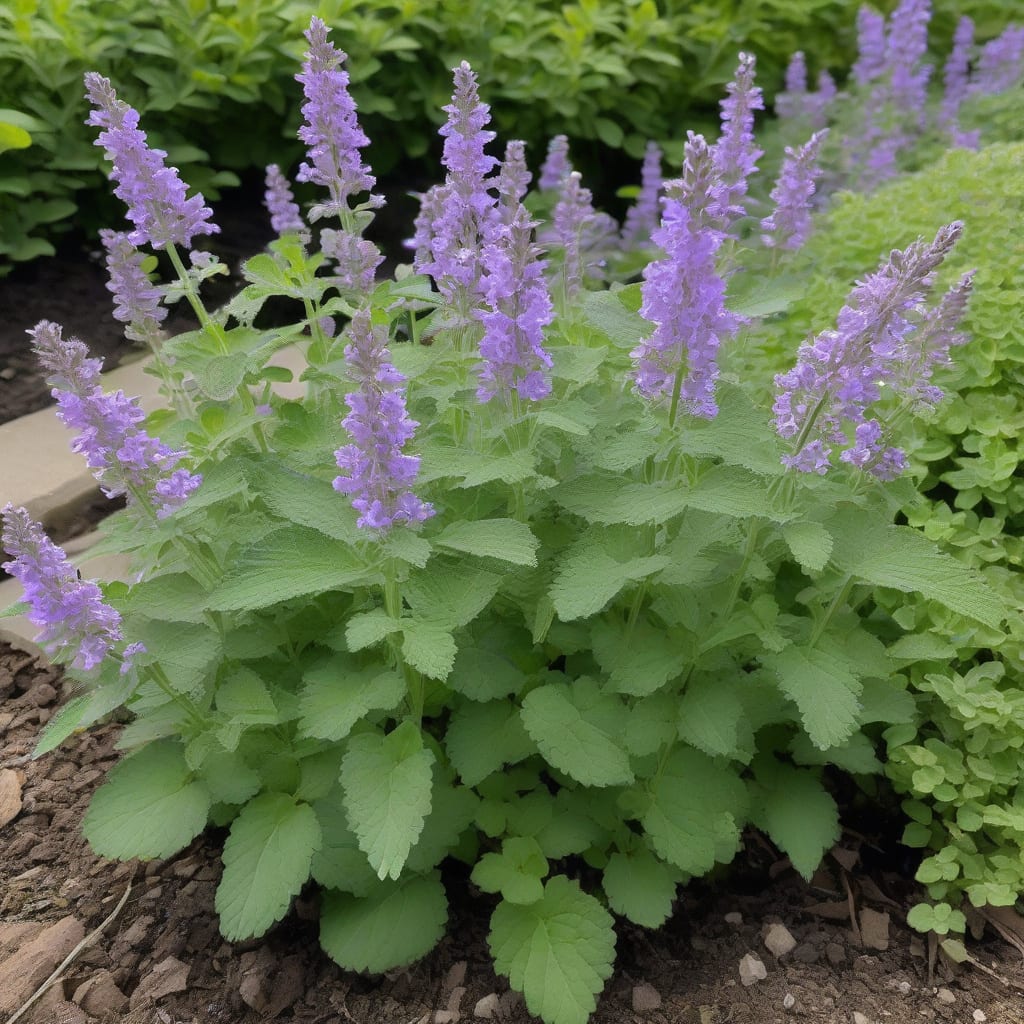
When I first planted Catmint 💜 in my garden, I was amazed by its vibrant spikes that seemed to grow taller with each passing day. Understanding how tall Catmint can grow is crucial for perfect placement and maintenance.
In USDA Zone 6, Catmint typically reaches 2-4 feet in height, making it a great addition to borders and containers. Let’s explore the factors that influence its growth and how to keep it looking its best.

Catmint’s growth patterns and heights can vary significantly based on several factors. Understanding these factors is crucial for gardeners to make informed decisions about placement and maintenance.
The height of Catmint plants is influenced by the specific variety, growing conditions, and pruning practices. Some varieties naturally grow taller than others, and optimal growing conditions can encourage maximum height.
Catmint typically grows to be between 2-4 feet tall, with some varieties reaching heights of up to 4 feet under optimal conditions. The growth rate is generally considered moderate to fast, especially when provided with full sun and well-draining soil.
Soil quality plays a significant role in Catmint’s growth. Well-draining soil with a slightly alkaline pH can promote healthy growth and maximum height. Regular watering is also essential, but Catmint is relatively drought-tolerant once established.
Pruning practices can significantly impact Catmint’s height. Regular pruning after the first bloom can encourage a more compact growth and a second flush of flowers. This practice not only controls height but also promotes healthier plants.
Understanding these growth patterns helps gardeners make the most of Catmint’s vibrant spikes and maintain a beautiful, balanced garden landscape 🌿.
Catmint’s growth habits make it an excellent choice for border plantings and container gardens. Its relatively low maintenance requirements and attractive foliage add to its appeal.
By considering factors such as variety, growing conditions, and pruning practices, gardeners can optimize Catmint’s growth and enjoy its beautiful purple-blue flowers throughout the growing season.
The mature size of Catmint can vary, but most varieties reach a height of 2-3 feet at maturity. This makes it a great choice for adding vertical interest to garden beds without overwhelming other plants.
In summary, Catmint is a versatile and attractive plant that can add beauty and texture to any garden. Its growth patterns and heights make it an excellent choice for a variety of garden designs and maintenance strategies.
Effective height management is crucial for maintaining Catmint’s aesthetic appeal and promoting healthy growth. Regular pruning is essential to keep Catmint plants from becoming leggy and to encourage more blooms.
The best time to prune Catmint is immediately after it finishes blooming in late spring or early summer. This timing allows the plant to produce new growth and potentially a second round of flowers.
Evaluate the plant’s height and shape, identifying areas that need pruning to maintain the desired height and promote bushier growth.
Cut back the stems by about one-third to one-half to encourage new growth and prevent the plant from becoming too leggy.
Regularly check the plant’s height throughout the growing season and prune as needed to maintain the desired shape and size.
Pruning not only helps control Catmint’s height but also promotes a more compact and bushy growth habit. This results in a fuller plant with more abundant flowering. After pruning, ensure the plant receives adequate water and fertilize lightly if necessary to support new growth.
By following these pruning and maintenance tips, gardeners can effectively manage Catmint’s height and enjoy a thriving, beautiful plant in their garden 🌼.
Catmint’s response to pruning is generally positive, and it can handle significant cutting back. This makes it an ideal plant for gardeners who want to maintain a specific height or shape in their garden designs.
Regular maintenance, including pruning and monitoring for pests or diseases, will help keep Catmint healthy and looking its best. With proper care, Catmint can be a stunning addition to any garden, providing vibrant color and attractive foliage throughout the growing season.
In summary, managing Catmint’s height through regular pruning and maintenance is key to enjoying this beautiful plant to its fullest potential. By understanding and implementing these practices, gardeners can create a stunning and thriving garden display.
Catmint comes in various cultivars, each with its unique growth habits and heights. Understanding these variations is essential for gardeners to choose the right type for their garden design and maintenance needs.
The height of Catmint varieties can range from 2-4 feet, depending on the specific cultivar. ‘Walker’s Low’ and ‘Nepeta faassenii’ are more compact varieties, typically growing to be around 2-3 feet tall. In contrast, ‘Six Hills Giant’ is a taller variety that can reach heights of up to 3-4 feet.
Understanding the growth habits of different Catmint varieties is crucial for effective garden planning. More compact varieties like ‘Walker’s Low’ are ideal for border plantings and container gardens, while taller varieties like ‘Six Hills Giant’ can add vertical interest to garden beds.
Regardless of the variety, Catmint is known for its attractive foliage and vibrant flowers, making it a popular choice among gardeners. By selecting the right variety for their garden, gardeners can enjoy the beauty and benefits of Catmint 🌼.
Catmint’s versatility in height and growth habit makes it suitable for various garden designs. Whether you’re looking for a compact border plant or a taller specimen for background planting, there’s a Catmint variety to suit your needs.
In summary, Catmint offers a range of heights and growth habits across different varieties, providing gardeners with flexibility in their garden design and maintenance strategies. By choosing the appropriate variety, gardeners can maximize the aesthetic and functional benefits of Catmint in their gardens.
