
Beautiful Plants For Your Interior
Beautiful Plants For Your Interior
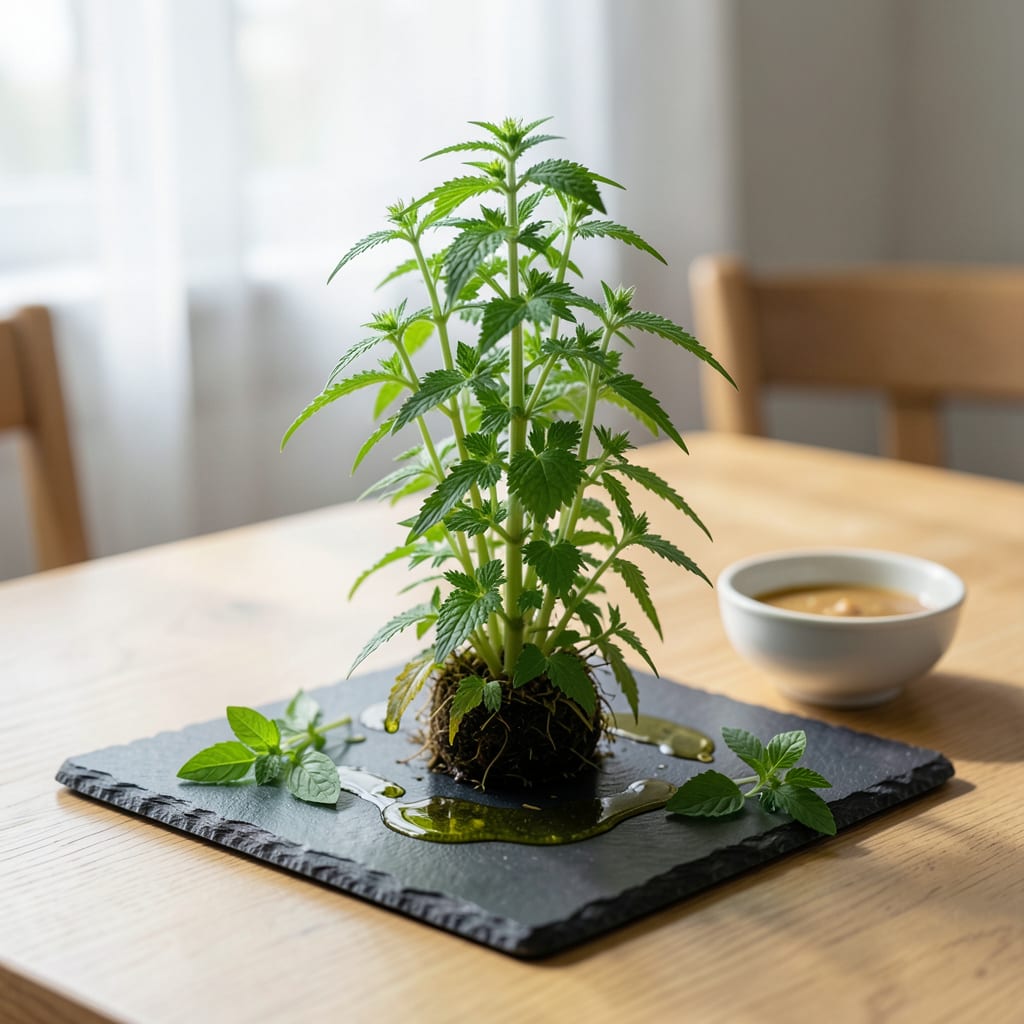
Growing Catnip 🌿 can be a fun experience, especially when you know what to expect. In USDA Zone 6, Catnip typically thrives in spring or fall plantings.
Catnip usually grows to be around 2-3 feet tall. To achieve maximum height, you’ll want to provide it with the right conditions, including plenty of sunlight and well-draining soil. Let’s explore the details to help your Catnip reach its full potential.

Catnip is a hardy perennial herb that belongs to the mint family. It is known for its aromatic leaves and attractive flowers. Catnip is a favorite among felines, and growing it at home can be a rewarding experience for gardeners of all levels 🌿.
The height of catnip plants can vary depending on several factors, including growing conditions, soil quality, and pruning techniques. On average, catnip plants can grow to be around 2-3 feet tall.
Several factors can influence the height of catnip plants, including soil quality, sunlight exposure, and watering practices. Catnip prefers well-draining soil and full sun to grow to its maximum height. Regular pruning can also help promote healthy growth and prevent the plant from becoming leggy 🌿.
Catnip is a relatively low-maintenance herb that can thrive in a variety of conditions. However, it does require some care to reach its full potential. By understanding the factors that affect catnip growth, gardeners can take steps to maximize their plant’s height and enjoy a bountiful harvest 🌼.
In USDA Zone 6, catnip typically thrives in spring or fall plantings. The ideal time to plant catnip is after the last frost date, when the soil has warmed up and the risk of frost has passed. This allows the plant to establish itself before the heat of summer 🌻.
To achieve maximum height, catnip needs full sun and well-draining soil. Gardeners should also ensure that their catnip plants receive adequate water and are pruned regularly to promote healthy growth. By following these tips, gardeners can enjoy a thriving catnip plant that reaches its full potential 🌱.
Catnip is a versatile herb that can be used in a variety of ways. Its aromatic leaves can be used to make tea, and its attractive flowers can be used as a garnish. Catnip is also a popular ingredient in many cat toys and treats, making it a great addition to any cat lover’s garden 🐈.
In addition to its many uses, catnip is also a relatively easy herb to grow. It prefers well-draining soil and full sun, but can tolerate some shade and poor soil. By following a few simple care tips, gardeners can enjoy a thriving catnip plant that provides years of enjoyment 🌿.
Overall, catnip is a rewarding herb to grow, and with the right conditions, it can reach its full potential. By understanding the factors that affect catnip growth and following a few simple care tips, gardeners can enjoy a bountiful harvest of this versatile and attractive herb 🌼.
To grow catnip that reaches its full height potential of 2-3 feet, gardeners need to provide optimal growing conditions. Catnip requires full sun to thrive, so choose a location that receives at least 6 hours of direct sunlight daily 🌞.
The soil quality plays a crucial role in catnip’s growth. Use well-draining soil with a mix of compost to ensure healthy root development. Catnip prefers slightly alkaline soil with a pH between 6.0 and 7.0 🌱.
Water catnip plants weekly during dry spells, providing about 1 cup of water per plant. Avoid overwatering, which can lead to root rot 💧.
Pinch back the tips of catnip stems to encourage branching and prevent legginess. Regular pruning helps maintain a compact shape and promotes healthy growth ✂️.
Feed catnip with a balanced fertilizer (10-10-10 NPK) every 4-6 weeks during the growing season. This promotes healthy growth and maximizes height 🌼.
By following these expert tips, gardeners can help their catnip plants reach their maximum height and enjoy a bountiful harvest 🌿.
Catnip is a relatively low-maintenance herb that can thrive in a variety of conditions. However, it does require some care to reach its full potential. By understanding the factors that affect catnip growth, gardeners can take steps to maximize their plant’s height 🌻.
In addition to its many uses, catnip is also a relatively easy herb to grow. It prefers well-draining soil and full sun, but can tolerate some shade and poor soil. By following a few simple care tips, gardeners can enjoy a thriving catnip plant that provides years of enjoyment 🐈.
Overall, catnip is a rewarding herb to grow, and with the right conditions, it can reach its full potential. By understanding the factors that affect catnip growth and following a few simple care tips, gardeners can enjoy a bountiful harvest of this versatile and attractive herb 🌼.
Growing catnip can be a rewarding experience, but there are several common mistakes that can limit its growth. One of the most significant errors is overwatering, which can lead to root rot and other problems 🌿.
Catnip prefers well-draining soil and can be susceptible to root rot if the soil is too wet. Check the soil moisture by inserting your finger into the soil up to the first knuckle. If it’s dry, it’s time to water 💧.
Another mistake that can limit catnip growth is poor soil quality. Catnip prefers well-draining soil with a mix of compost to ensure healthy root development. Avoid using heavy clay or sandy soils, as they can cause drainage problems 🌱.
Insufficient sunlight is another common mistake that can affect catnip growth. Catnip requires full sun to thrive, so choose a location that receives at least 6 hours of direct sunlight daily 🌞.
Pests can also be a problem when growing catnip. Keep an eye out for aphids, spider mites, and other pests that can damage the plant. Use organic pest control methods whenever possible to avoid harming beneficial insects 🐜.
By avoiding these common mistakes, gardeners can help their catnip plants reach their full potential and enjoy a bountiful harvest 🌼.
Catnip is a relatively low-maintenance herb that can thrive in a variety of conditions. By following a few simple care tips and avoiding common mistakes, gardeners can enjoy a thriving catnip plant that provides years of enjoyment 🌿.
