
Beautiful Plants For Your Interior
Beautiful Plants For Your Interior
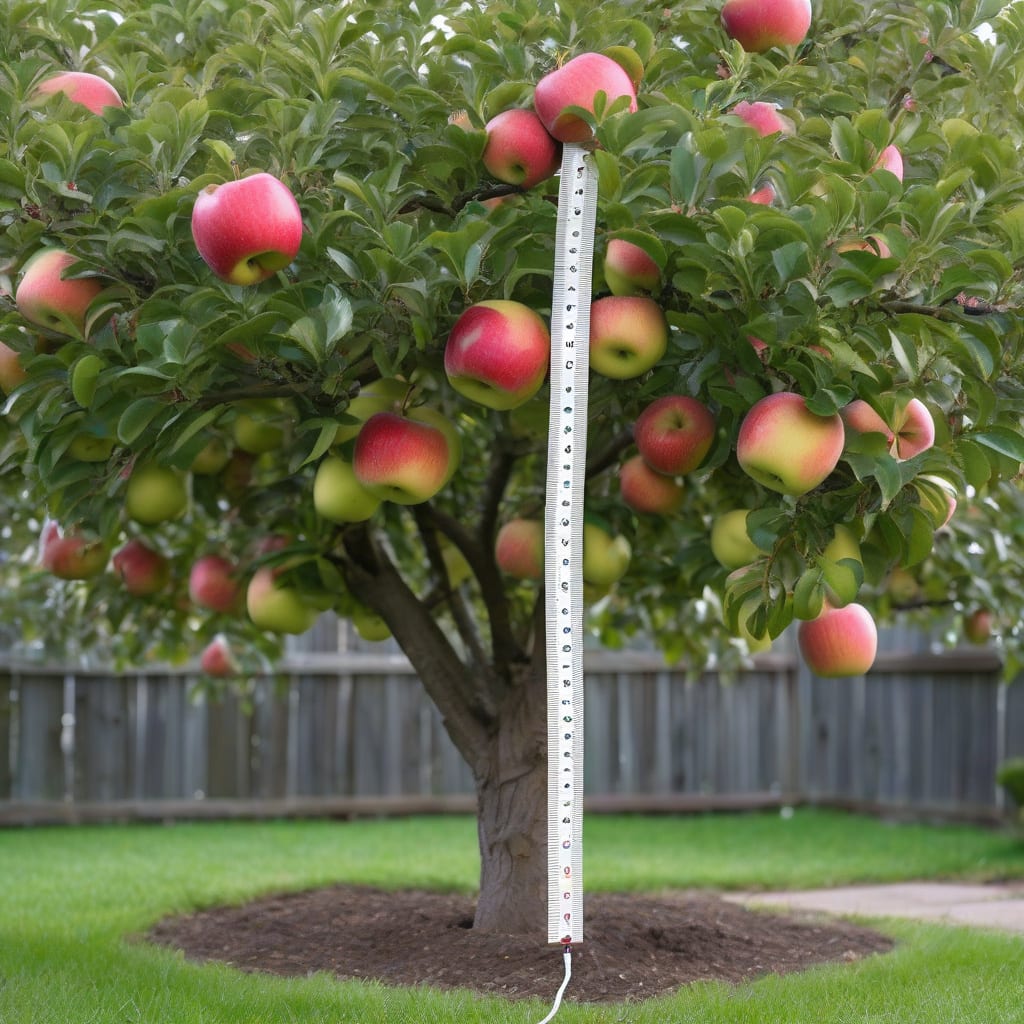
When growing a Fuji Apple Tree 🍎, understanding its potential height is crucial for proper planning. These trees can grow between 15-25 feet tall, depending on factors like rootstock and growing conditions.
In USDA Zone 6, you can expect your Fuji Apple Tree to thrive with proper care. Let’s explore the factors that influence its height and how to manage its growth for optimal fruit production.


The height of a Fuji Apple Tree is influenced by several key factors. Understanding these elements is crucial for gardeners to manage their tree’s growth effectively. The primary factors include the rootstock, soil quality, pruning practices, and climate conditions 🌳.
Rootstock plays a significant role in determining the mature height of a Fuji Apple Tree. Different rootstocks are available, ranging from dwarfing to standard vigor. Dwarf rootstocks typically result in trees that grow between 8-12 feet tall, while standard rootstocks can lead to trees reaching heights of 20-25 feet or more 🌟.
Soil quality is another critical factor. Fuji Apple Trees prefer well-draining, fertile soil with a pH between 6.0 and 6.5. Poor soil conditions can limit tree growth and fruit production 📊.
Pruning practices are essential for managing the height of Fuji Apple Trees. Regular pruning helps control the tree’s size, promotes fruiting, and maintains overall tree health. Pruning techniques will be discussed in more detail later in this guide ✂️.
Climate conditions also impact the growth of Fuji Apple Trees. These trees thrive in USDA Zone 6, where they receive the necessary chill hours to produce fruit. Extreme weather conditions, such as prolonged drought or excessive rain, can affect tree growth and health ☁️.
In summary, the height of a Fuji Apple Tree is influenced by a combination of factors, including rootstock, soil quality, pruning practices, and climate conditions. By understanding and managing these factors, gardeners can optimize their tree’s growth and fruit production 📈.
For more specific guidance on managing Fuji Apple Tree size, let’s explore practical pruning techniques in the next section.
The mature height of a Fuji Apple Tree can range from 15 to 25 feet, depending on the rootstock and growing conditions. Dwarf rootstocks result in smaller trees, while standard rootstocks produce larger trees 🌲.
By considering the factors that affect tree height and implementing proper care practices, gardeners can enjoy a bountiful harvest of delicious Fuji apples 🍎.
Pruning is a critical maintenance task for managing the size of your Fuji Apple Tree. Proper pruning techniques help control the tree’s height, promote fruiting, and maintain overall tree health. Regular pruning also improves air circulation and sunlight penetration, which are essential for optimal fruit production 🌳.
The best time to prune your Fuji Apple Tree is during its dormant season, typically in late winter or early spring. This period allows for clearer visibility of the tree’s structure and minimizes the risk of disease or pest infestation ✂️.
Start by removing any branches that are dead, diseased, or damaged. This helps prevent the spread of disease and encourages healthy growth.
Thin out the center of the tree to allow more sunlight to reach the fruiting branches. This improves air circulation and promotes fruit production.
To control the height of your Fuji Apple Tree, prune the tallest branches back to a lateral bud or a lateral branch. This encourages the tree to grow outward rather than upward.
Pruning tools should be clean and sharp to make precise cuts. Disinfect your tools between cuts to prevent the spread of disease. For larger branches, use a saw or loppers, and for smaller branches, use hand pruners or secateurs 🛠️.
After pruning, inspect your tree to ensure you have maintained a balanced structure. Proper pruning not only controls the size of your Fuji Apple Tree but also enhances its overall health and productivity 🌟.
By following these pruning techniques, you can effectively manage the size of your Fuji Apple Tree and enjoy a bountiful harvest of delicious apples 🍎.
Regular pruning is essential for maintaining the health and productivity of your Fuji Apple Tree. By understanding and implementing proper pruning practices, you can optimize your tree’s growth and fruit production 📈.
For more information on caring for your Fuji Apple Tree, including tips on watering and fertilizing, refer to the other sections of this guide.
Understanding how different growing conditions affect the size of your Fuji Apple Tree is crucial for optimal planning and care. The tree’s height can vary significantly based on whether it’s grown in a container or in the ground, and whether it’s on a dwarf or standard rootstock 🌳.
The height of your Fuji Apple Tree can be managed through proper care and pruning practices. By understanding the expected size of your tree based on its growing conditions, you can make informed decisions about its placement and maintenance 🌟.
For example, if you’re growing your Fuji Apple Tree in a container, you can expect it to be smaller than one grown in the ground. This makes containers a great option for smaller spaces or for gardeners who want more control over their tree’s size 📦.
On the other hand, if you have the space and prefer a larger tree, planting it directly in the ground on a standard rootstock will allow it to reach its full height potential 🌳.
Regardless of the growing conditions, regular pruning is essential to maintain the health and productivity of your Fuji Apple Tree. Pruning helps control the tree’s size, promotes fruiting, and ensures a bountiful harvest 🍎.
