
Beautiful Plants For Your Interior
Beautiful Plants For Your Interior
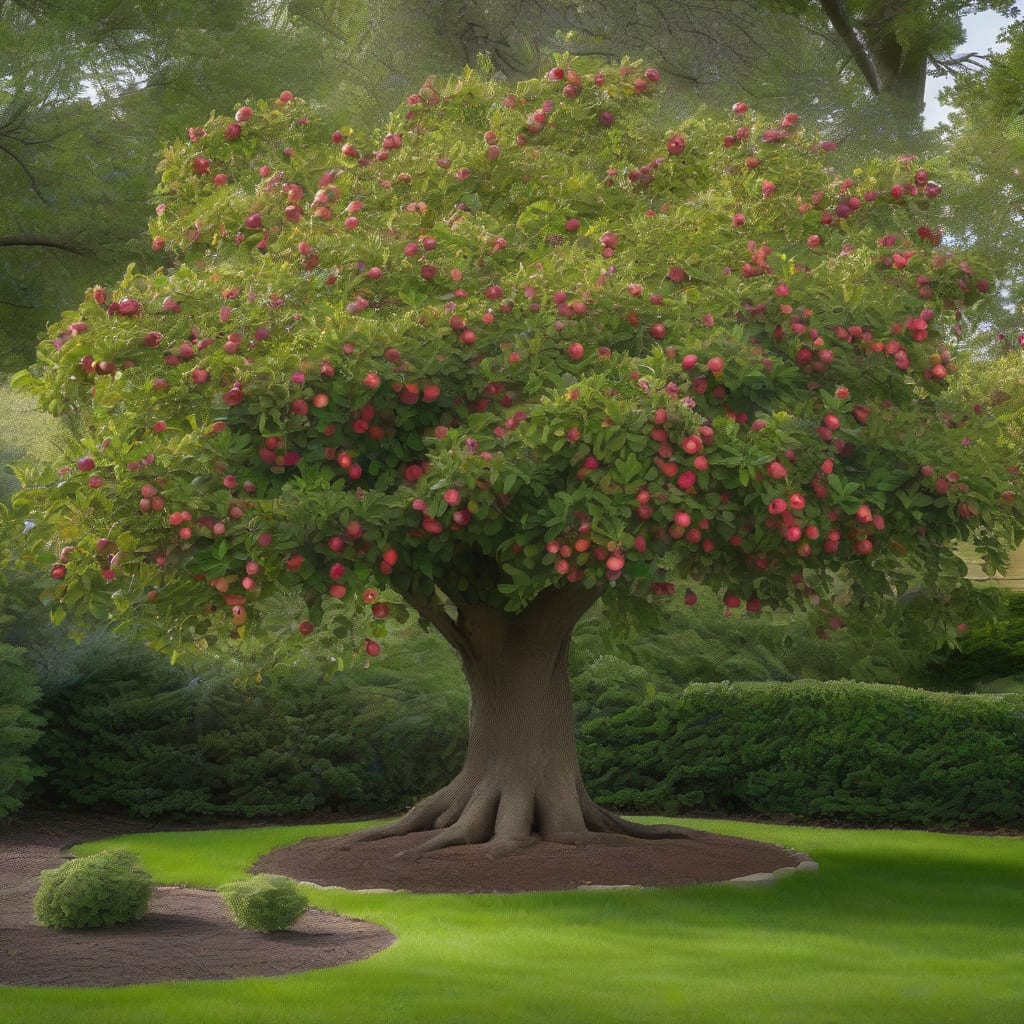
When planting a Crab Apple Tree 🌳, understanding its growth potential is crucial for proper placement in your garden. These beautiful trees can add stunning flowers and vibrant fruit to your landscape.
The height of a Crab Apple Tree varies based on factors like soil quality and rootstock. Generally, they grow between 15-25 feet tall, making them a great choice for medium-sized gardens in USDA Zone 6.


The height of a Crab Apple Tree is influenced by several key factors that gardeners should consider when planting. Understanding these elements helps in choosing the right tree for your space and ensuring it grows to its full potential 🌳.
Soil quality plays a significant role in determining the height of a Crab Apple Tree. Trees grown in well-draining soil with a balanced pH tend to grow healthier and taller. Poor soil conditions can limit root development, affecting overall height.
Climate conditions also significantly impact the height of Crab Apple Trees. Trees thrive in moderate climates with adequate moisture. Extreme weather can stress the tree, limiting its height. Proper sunlight exposure is also crucial, as Crab Apple Trees require full sun to grow optimally.
The rootstock is another critical factor. Dwarf rootstocks are used to control the tree’s size, making them ideal for smaller gardens, while standard rootstocks allow the tree to reach its maximum potential height. Understanding these factors helps gardeners make informed decisions when planting.
By considering these growth factors, gardeners can better predict and manage the height of their Crab Apple Trees. Proper planning ensures the tree fits well within the landscape and thrives over time 🌿.
Each of these factors contributes to the overall height and health of the Crab Apple Tree. Gardeners should assess their specific conditions to choose the best variety for their needs.
Soil preparation is essential for optimal growth. Ensuring the soil is rich in nutrients and has good drainage will support the tree’s development.
Regular watering is also vital, especially during dry periods. Consistent moisture levels help the tree establish a strong root system.
In addition to soil and climate, the choice of rootstock can significantly affect the tree’s mature height. Gardeners should select a rootstock that aligns with their space and maintenance preferences.
Understanding the interplay of these factors allows gardeners to optimize growing conditions for their Crab Apple Trees, ensuring they reach their desired height and remain healthy.
Proper care and attention to these details will result in a thriving Crab Apple Tree that enhances the beauty of any garden.
Crab apple trees come in various sizes, making them suitable for different garden sizes and landscaping needs. Understanding the average and maximum heights of different crab apple tree varieties helps gardeners choose the right tree for their space 🌳.
The average height of crab apple trees varies significantly depending on the variety. Dwarf varieties typically grow between 8-12 feet tall, making them ideal for smaller gardens or containers. Semi-dwarf varieties reach heights of 12-18 feet, offering a balance between size and fruit production 🌼.
Standard varieties are the largest, growing between 15-25 feet tall. These trees are perfect for larger landscapes where they have ample space to grow. Understanding these height ranges helps gardeners plan their garden layout effectively.
When selecting a crab apple tree, it’s essential to consider the maximum height the tree can achieve. This ensures that the tree has enough space to mature without overcrowding other plants or structures in the garden.
The rootstock plays a crucial role in determining the tree’s size. Dwarf and semi-dwarf rootstocks are grafted onto the tree to control its height, while standard rootstocks allow for more significant growth 🌱.
Gardeners should also consider the growth rate of the tree. Crab apple trees generally have a moderate growth rate, with some varieties growing faster than others. This information helps in planning for future garden maintenance.
By understanding the height variations among different crab apple tree varieties, gardeners can make informed decisions that suit their landscaping needs and preferences.
Selecting the right variety ensures that the tree thrives and remains a beautiful addition to the garden for years to come.
Proper planning and understanding of the tree’s potential height contribute to a well-designed and harmonious garden landscape.
Gardeners can enjoy the beauty and benefits of crab apple trees by choosing varieties that fit their specific garden conditions and aesthetic goals.
Pruning is a critical practice for managing the height of Crab Apple Trees. Proper pruning techniques help maintain the tree’s shape, promote healthy growth, and control its overall size 🌳.
To effectively manage the height of your Crab Apple Tree, follow these pruning steps:
Start by removing any dead, diseased, or damaged branches to prevent the spread of disease and encourage healthy growth.
Thin out crowded areas to allow more sunlight penetration and air circulation, which helps reduce disease risk.
Prune the tree to maintain its desired shape and height. Cut back tall branches to a lateral bud or a side branch to control vertical growth.
Pruning timing is also essential. Prune your Crab Apple Tree during its dormant season, typically in late winter or early spring, to minimize stress and promote vigorous growth in the growing season 🌸.
By following these pruning techniques, you can effectively manage the height of your Crab Apple Tree, ensuring it remains healthy and fits well within your garden landscape.
Regular pruning not only controls the tree’s size but also enhances its overall health and appearance, making it a beautiful and functional addition to your garden.
Proper pruning practices contribute to a well-maintained garden, allowing you to enjoy the beauty of your Crab Apple Tree for years to come.
