
Beautiful Plants For Your Interior
Beautiful Plants For Your Interior
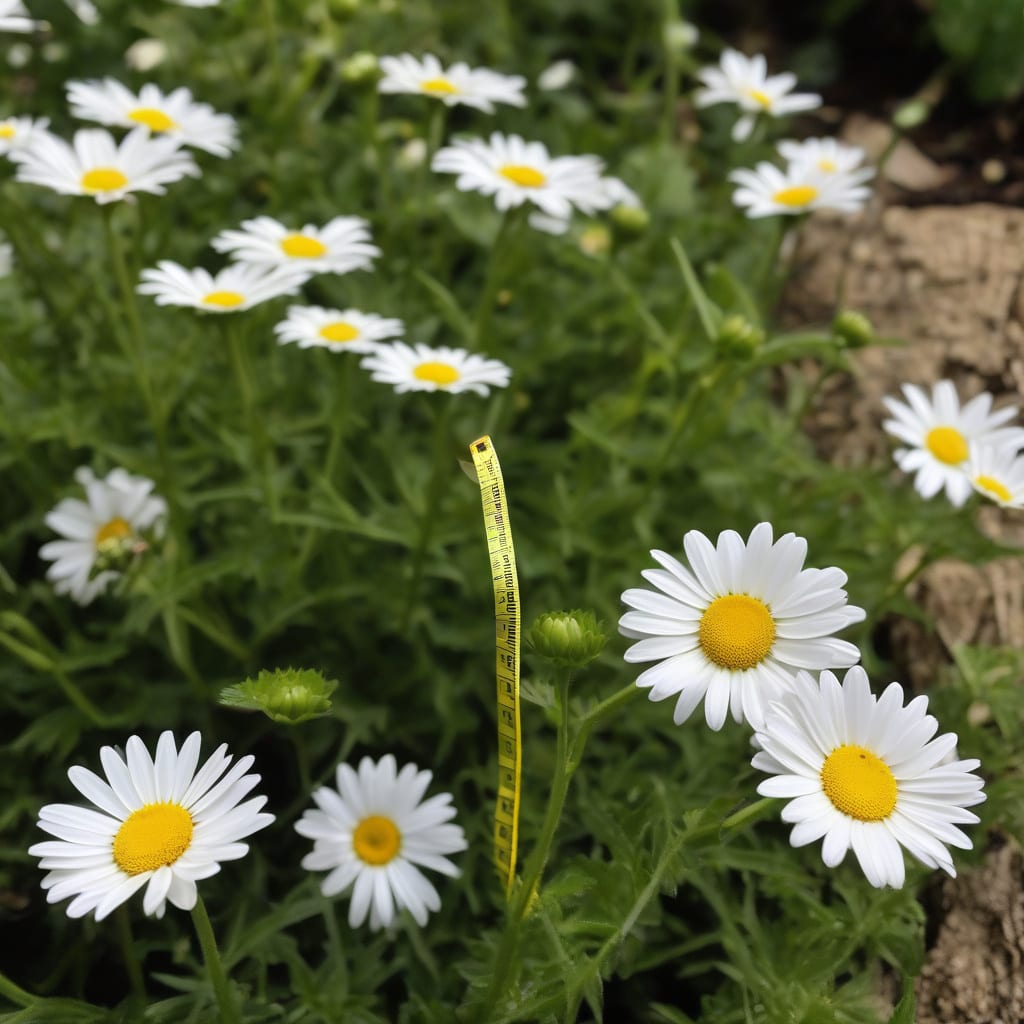
When I think about daisies 💐, I picture cheerful blooms adding brightness to any garden. But have you ever wondered how tall these beautiful flowers can actually grow? The height of daisies can vary significantly based on the variety and growing conditions.
In USDA Zone 6, daisies typically grow between 1-3 feet tall. Factors like soil quality, sunlight, and pruning practices can influence their final height. Let’s explore what you can expect and how to encourage optimal growth for these lovely flowers.


Daisies are one of the most popular garden flowers, known for their cheerful blooms and easy maintenance. When it comes to their height, daisies can vary significantly based on the specific variety and growing conditions. Understanding these growth patterns helps gardeners plan their garden spaces effectively.
The height of daisies can range from 1-3 feet in USDA Zone 6, which is where most gardeners grow these beautiful flowers. Some compact varieties remain shorter, while taller garden daisies can reach their maximum height with proper care.
The growth height of daisies is influenced by their specific variety. Dwarf daisies are compact and typically grow between 1-2 feet tall, making them perfect for container gardens or border plantings. Standard garden daisies usually reach heights of 2-3 feet, providing a cheerful display in garden beds.
Taller daisy varieties can grow up to 3 feet in ideal conditions. These taller plants often require staking to prevent them from becoming too leggy or toppling over in the wind. The height variation allows gardeners to choose the perfect daisy for their specific garden design.
In addition to variety, factors like soil quality, sunlight exposure, and pruning practices can affect how tall daisies will grow. Understanding these factors helps gardeners create optimal growing conditions for their daisies.
Some gardeners prefer shorter daisies for border plantings or containers, while others enjoy the taller varieties as statement pieces in their garden beds. The versatility in height makes daisies suitable for various garden designs and landscaping needs.
When planning your garden, consider the mature height of the daisy variety you’re planting. This helps ensure proper spacing and prevents overcrowding, which can lead to reduced blooming and increased risk of disease.
While daisies are generally easy to grow, their height can be influenced by how well they are cared for. Proper watering, fertilization, and deadheading can all contribute to healthy growth and optimal height.
For gardeners looking to control daisy height, techniques like pinching back young plants or pruning after blooming can help maintain a desired height. These practices encourage bushier growth and prevent plants from becoming too leggy.
Daisies are versatile plants that can thrive in various garden settings. Whether you prefer compact varieties or taller garden daisies, understanding their growth habits helps create beautiful and balanced garden displays.
By selecting the right daisy variety and providing appropriate care, gardeners can enjoy these lovely flowers at their optimal height. Proper care includes regular watering, occasional fertilization, and appropriate pruning to maintain desired plant height and promote healthy blooming.
Gardeners can expect daisies to reach their full height within one to two growing seasons, depending on the variety and growing conditions. With proper care and maintenance, daisies continue to provide beautiful blooms year after year.
When growing daisies, I’ve found that several key factors can significantly impact their final height. Understanding these elements helps gardeners create optimal conditions for their plants to thrive and reach their full potential height.
The height of daisies is influenced by a combination of environmental factors and care practices. By adjusting these elements, gardeners can encourage their daisies to grow to their optimal height.
Soil quality, sunlight exposure, and pruning practices are crucial in determining daisy height. Proper care can help achieve optimal growth.
Soil quality plays a crucial role in daisy growth. Daisies prefer well-draining soil that’s rich in organic matter. Soil that’s too dense or poorly draining can limit root growth, resulting in shorter plants. Adding compost or well-rotted manure can improve soil structure and fertility, promoting healthier and potentially taller daisies 🌿.
Sunlight exposure is another critical factor. Daisies generally thrive in full sun, requiring at least 6 hours of direct sunlight daily. Insufficient light can lead to leggy growth as the plants stretch toward available light sources. In areas with intense afternoon sun, some afternoon shade can help prevent scorching and promote more balanced growth 🔥.
Pruning practices significantly impact daisy height. Regular deadheading encourages more blooms and can help maintain a bushy, compact growth habit. After the initial blooming period, cutting back daisy stems by about one-third can promote a second flush of flowers and help control overall plant height. For taller varieties, staking may be necessary to prevent them from toppling over in the wind 💪.
Watering and fertilization also influence daisy height. While daisies are relatively drought-tolerant once established, consistent moisture promotes healthier growth. Overwatering, however, can lead to root rot and stunted growth. A balanced fertilizer applied in spring can support healthy growth, but excessive fertilization can result in lush foliage at the expense of flower production 🌸.
By understanding and managing these factors, gardeners can create optimal growing conditions for their daisies. This helps ensure that the plants reach their full height potential while maintaining overall health and vigor.
Different daisy varieties respond differently to these factors, so understanding the specific needs of your plants is crucial. Some gardeners prefer shorter, more compact daisies for border plantings, while others enjoy taller varieties as statement pieces in their garden beds.
Regular maintenance, including pruning and dividing as needed, helps keep daisies healthy and vigorous. This maintenance can also influence their height by preventing overcrowding and ensuring that each plant has access to necessary resources 🌻.
When it comes to managing daisy height, I’ve found that proper planting techniques and maintenance strategies make all the difference. By understanding how to control daisy height, gardeners can create beautiful and balanced garden displays that showcase these lovely flowers.
The key to managing daisy height begins with selecting the right variety for your garden space. Different daisy types have varying mature heights, ranging from 1-3 feet tall. Choosing a variety that fits your garden design helps prevent the need for excessive pruning or staking later on.
Pinch back young daisy plants to encourage bushier growth and prevent legginess. For taller varieties, consider staking to maintain upright growth.
Proper planting techniques play a crucial role in establishing healthy daisies that grow to their optimal height. Planting daisies in well-draining soil with adequate sunlight exposure helps promote strong root development and vigorous growth.
Regular maintenance practices like deadheading and pruning help control daisy height while encouraging more blooms. After the initial blooming period, cutting back daisy stems by about one-third can promote a second flush of flowers and help maintain a desired height 🌼.
For gardeners looking to control daisy height, techniques like pinching back young plants or pruning after blooming can help maintain a desired height. These practices encourage bushier growth and prevent plants from becoming too leggy.
By combining proper planting techniques with regular maintenance, gardeners can enjoy daisies at their optimal height. This approach creates beautiful garden displays while keeping plants healthy and vigorous 🌻.
