
Beautiful Plants For Your Interior
Beautiful Plants For Your Interior
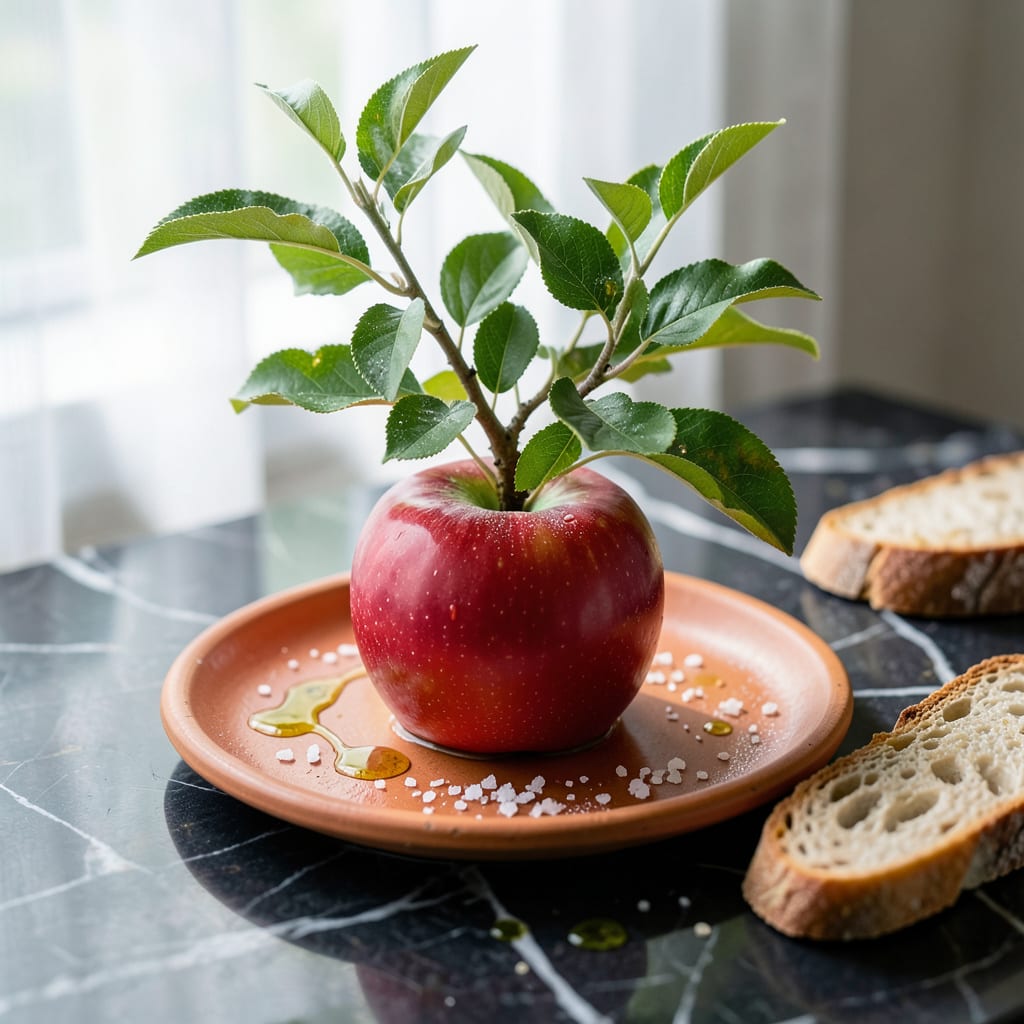
Fertilizing your Apple Tree 🍎 at the right time is crucial for its health and fruit production. In USDA Zone 6a, the growing season begins in spring, making it an ideal time to provide essential nutrients.
I recommend fertilizing your Apple Tree during its active growth periods to maximize benefits. Let’s explore the best times and methods for fertilizing your tree to ensure a bountiful harvest.

Understanding when to fertilize your Apple Tree 🍎 is crucial for its health and productivity. In USDA Zone 6a, the growing season begins in spring, making it an ideal time to provide essential nutrients. I recommend fertilizing your Apple Tree during its active growth periods to maximize benefits.
The fertilization schedule for Apple Trees varies throughout the year. During the dormant season, typically in winter, fertilization is not necessary. As the tree enters the growth period in spring, it requires more nutrients to support its development.
Fertilizing Apple Trees during the spring and summer months is essential for their growth and fruit production. In spring, start fertilizing when the buds break, and continue every 4-6 weeks during summer.
The type of fertilizer used is also important. A balanced fertilizer with an NPK ratio of 10-10-10 is recommended for Apple Trees. The amount of fertilizer to apply depends on the age of the tree, with a general guideline being 1 cup per year of tree age.
For example, a 5-year-old Apple Tree would require 5 cups of fertilizer. It’s also crucial to test the soil before applying fertilizer to determine its nutrient content and pH level.
By following this fertilization schedule and using the right type and amount of fertilizer, you can ensure your Apple Tree remains healthy and productive. 🌱
Regular fertilization not only promotes healthy growth but also enhances fruit quality and yield. Proper fertilization practices are key to successful Apple Tree cultivation.
It’s also worth noting that over-fertilization can be harmful. Therefore, it’s essential to follow the recommended fertilization schedule and amounts to avoid damaging your Apple Tree. 🚫
In conclusion, fertilizing your Apple Tree at the right time with the right type and amount of fertilizer is vital for its overall health and productivity. By understanding the seasonal fertilization needs and
Fertilizing Apple Trees effectively requires a combination of proper timing, soil testing, and application methods. I recommend starting with a soil test to determine your soil’s nutrient content and pH level, which will guide your fertilization strategy.
Once you have your soil test results, you can choose the right fertilizer type. A balanced fertilizer with an NPK ratio of 10-10-10 is generally recommended for Apple Trees.
Conduct a soil test to determine nutrient levels and pH.
Select a balanced fertilizer based on your soil test results.
Apply the recommended amount based on the tree’s age and soil conditions.
The amount of fertilizer to apply depends on the age of the Apple Tree. A general guideline is to use 1 cup of fertilizer per year of tree age. For example, a 5-year-old Apple Tree would require 5 cups of fertilizer.
It’s also important to consider the timing of fertilization. Fertilize your Apple Tree in the early morning when the tree is most receptive to nutrients.
By following these steps and considering your Apple Tree’s specific needs, you can ensure effective fertilization that promotes healthy growth and maximizes fruit production. 🌳
Regular monitoring of your tree’s response to fertilization is crucial. Adjust your fertilization strategy as needed based on the tree’s growth and fruit production.
Effective fertilization practices are key to maintaining the health and productivity of your Apple Tree. By combining proper timing, soil testing, and application methods, you can enjoy a bountiful harvest for years to come. 🍎
Recognizing when your Apple Trees need fertilization is crucial for maintaining their health and maximizing fruit production. I look for specific signs that indicate nutrient deficiencies, such as changes in leaf color, growth patterns, and fruit quality.
If your Apple Tree shows signs of nutrient deficiency, such as yellowing leaves, stunted growth, or poor fruit quality, it may be time to fertilize.
One of the key indicators that your Apple Tree needs fertilization is a change in leaf color. If the leaves turn yellow or pale, it could be a sign of nutrient deficiency. Additionally, if the tree’s growth is stunted or the fruit quality is poor, fertilization may be necessary to address these issues.
I also check for other signs like leaf drop or weak branches, which can indicate a lack of essential nutrients. By monitoring these signs and responding with appropriate fertilization, you can help maintain your Apple Tree’s health and productivity. 🌳
Regular monitoring and timely fertilization are essential for ensuring your Apple Tree receives the nutrients it needs to thrive. By understanding the signs that indicate the need for fertilization, you can take proactive steps to support your tree’s health and maximize its fruit production. 🍎
It’s also important to note that over-fertilization can be harmful. Therefore, it’s crucial to follow the recommended fertilization schedule and amounts to avoid damaging your Apple Tree. 🚫
For young apple trees, start fertilizing in early spring when buds begin to break. Use a balanced fertilizer (10-10-10 NPK) at the rate of 1 cup per year of tree age. This supports healthy growth and development during the critical first years.
Continue fertilizing every 4-6 weeks during summer to maintain fruit development. Use a balanced fertilizer as recommended for spring. This regular feeding ensures your trees have the necessary nutrients for optimal growth and fruit production.
Yes, but reduce fertilization to light feeding in fall to help prepare the trees for dormancy. A lighter application supports the tree’s needs without promoting new growth that could be vulnerable to winter damage.
Yes, it’s crucial to test the soil before fertilizing to determine its nutrient content and pH level. This helps you choose the right type and amount of fertilizer, ensuring your apple trees receive the nutrients they need without over-fertilizing.
