
Beautiful Plants For Your Interior
Beautiful Plants For Your Interior
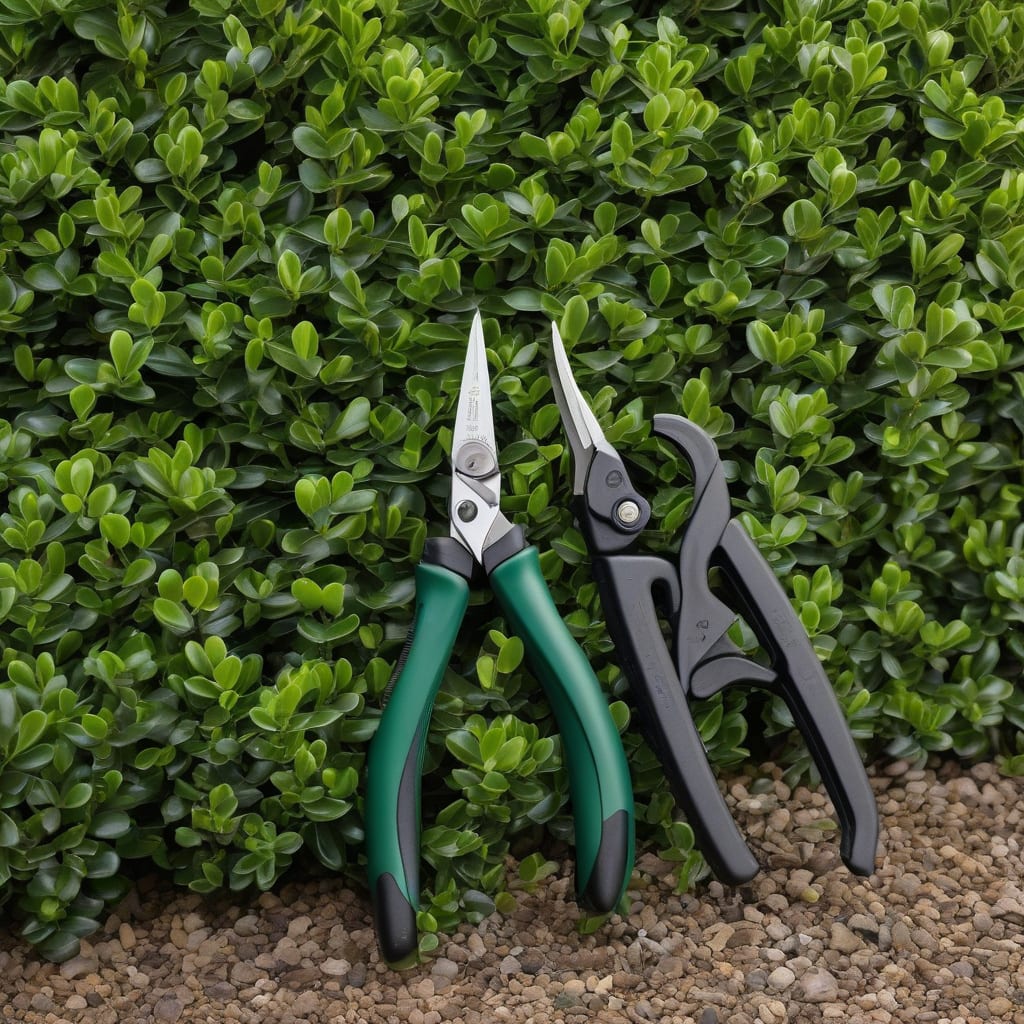
When planning your garden, understanding the growth potential of your plants is crucial. Boxwood 🌿, a popular evergreen shrub, can grow to varying heights depending on several factors. Knowing how tall it can grow helps you make informed decisions about placement and maintenance.
In USDA Zone 6, Boxwood can thrive in different conditions. Factors like variety, growing conditions, and maintenance practices all play a role in determining its maximum height. Let’s explore these factors and how they impact your Boxwood’s growth.


Understanding the factors that influence boxwood height is crucial for effective garden planning. The variety of boxwood you choose plays a significant role in determining its maximum height 🌿.
Different boxwood varieties have distinct growth habits and mature heights. Some compact varieties are naturally smaller, while others can grow quite tall. Let’s explore the key factors that affect boxwood height growth.
The variety of boxwood is a primary factor in determining its height. Some popular varieties include dwarf, semi-dwarf, and standard types, each with different mature heights.
Growing conditions also significantly impact boxwood height. Boxwood prefers well-draining soil and partial shade to full sun. Soil quality, sunlight exposure, and watering practices all contribute to the overall health and growth of the plant.
Maintenance practices, such as regular pruning and fertilization, can also influence boxwood height. Pruning helps maintain the desired shape and size, while fertilization promotes healthy growth.
By understanding these factors, gardeners can better manage their boxwood plants and achieve their desired landscape goals. Whether you’re looking to create a formal hedge or a decorative topiary, knowing how to control boxwood height is essential 🌱.
The maximum height of boxwood varies widely depending on the variety and growing conditions. In general, boxwood can grow anywhere from 2 to 15 feet tall, with some varieties remaining compact and others reaching greater heights.
Regular maintenance is key to controlling boxwood height. Pruning is an effective way to maintain the desired height and shape of your boxwood plants. By pruning regularly, you can keep your boxwood healthy and looking its best.
In addition to pruning, fertilization plays a crucial role in promoting healthy boxwood growth. Using a balanced fertilizer during the growing season can help support the overall health of your boxwood plants.
By combining proper growing conditions with regular maintenance, you can enjoy healthy and thriving boxwood plants that meet your landscape needs. Whether you’re a seasoned gardener or just starting out, understanding how to manage boxwood height is an essential part of successful gardening 🌿.
Understanding the maximum height of different boxwood varieties is essential for garden planning. Boxwood comes in various types, each with its unique growth characteristics 🌿.
The height of boxwood plants can vary significantly depending on the variety. Let’s explore the typical mature heights of different boxwood types and their growth potential.
The dwarf boxwood variety typically grows to be 2-4 feet tall, making it ideal for compact gardens or borders. The semi-dwarf variety can reach heights of 4-8 feet, offering a moderate growth rate 🌿.
Standard boxwood is the tallest variety, growing up to 6-15 feet tall. This type is often used for hedges or topiaries that require regular pruning to maintain their shape.
When selecting a boxwood variety, consider the mature height and growth rate to ensure it fits your garden’s needs. Proper care, including regular pruning and fertilization, will help your boxwood thrive and reach its full potential 🌱.
By understanding the growth potential of different boxwood varieties, you can make informed decisions about your garden design and maintenance. Whether you’re looking for a compact shrub or a tall hedge, there’s a boxwood variety to suit your needs 🌿.
Regular maintenance is key to controlling boxwood height. Pruning is an effective way to maintain the desired height and shape of your boxwood plants. By pruning regularly, you can keep your boxwood healthy and looking its best.
In addition to pruning, fertilization plays a crucial role in promoting healthy boxwood growth. Using a balanced fertilizer during the growing season can help support the overall health of your boxwood plants.
By combining proper growing conditions with regular maintenance, you can enjoy healthy and thriving boxwood plants that meet your landscape needs 🌿.
Pruning is an essential technique for maintaining the desired height and shape of your boxwood plants. Regular pruning not only keeps your boxwood looking its best but also promotes healthy growth 🌱.
To effectively control boxwood height, it’s crucial to understand the proper pruning techniques. Let’s explore the steps involved in pruning your boxwood to maintain the desired height.
Before pruning, inspect your boxwood for any dead or damaged branches that need removal.
Use sharp, clean pruning shears or hedge trimmers to make precise cuts.
Carefully trim the top and sides of your boxwood to achieve the desired height and shape.
Step back periodically to ensure your boxwood is evenly pruned and at the desired height.
By following these pruning steps, you can effectively control the height of your boxwood and maintain its overall health. Regular pruning also encourages dense growth and helps maintain the desired shape 🌿.
Pruning frequency depends on the growth rate of your boxwood and the desired height. For most boxwood varieties, pruning once or twice a year is sufficient to maintain the desired height and shape.
In addition to controlling height, pruning also helps to promote healthy growth by removing dead or damaged branches. This improves air circulation and allows more sunlight to reach inner branches 🌱.
By combining regular pruning with proper care, including fertilization and watering, you can enjoy healthy and thriving boxwood plants that meet your landscape needs 🌿.
