
Beautiful Plants For Your Interior
Beautiful Plants For Your Interior
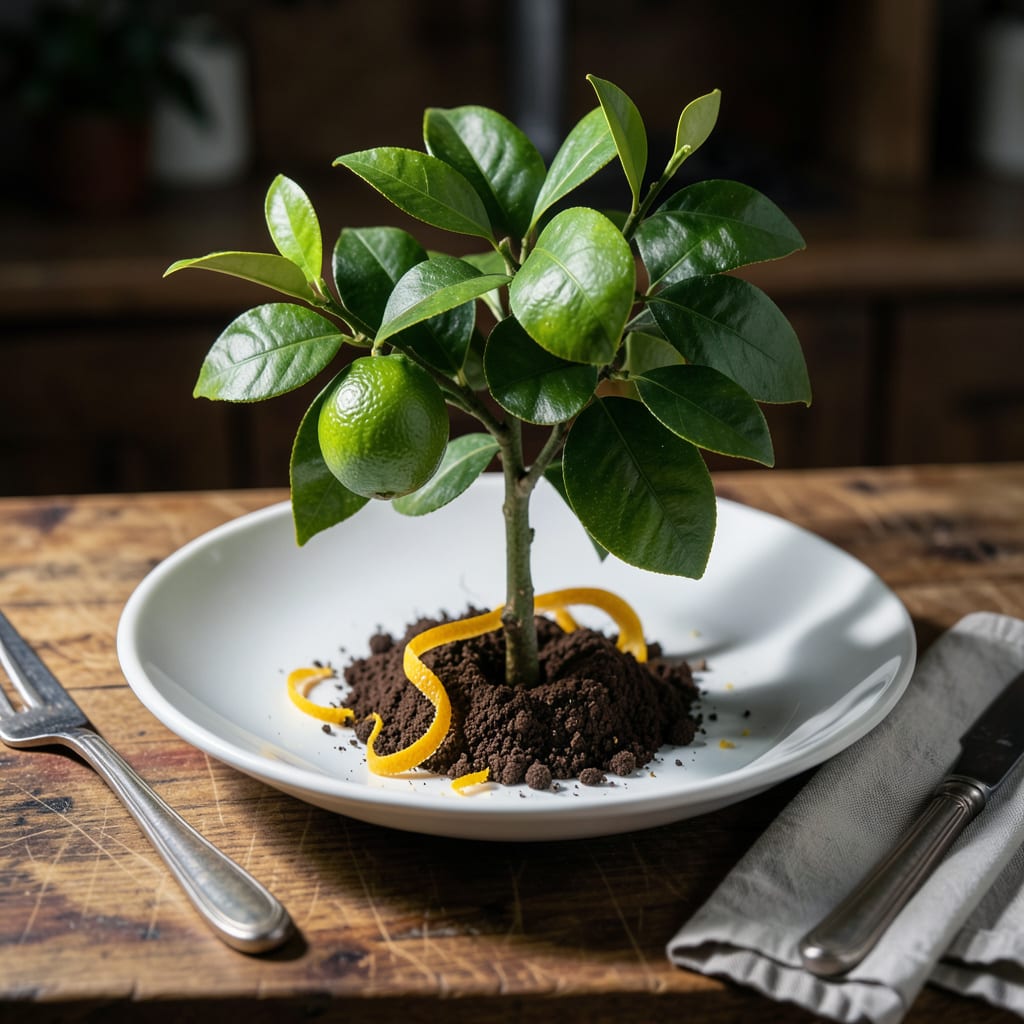
Fertilizing your 🍊 Citrus Tree at the right time is crucial for its health and fruit production. In USDA Zone 9b, where these trees thrive, proper fertilization can make all the difference in your harvest.
I’ll guide you through the best times to fertilize and share expert tips to ensure your tree gets the nutrients it needs to flourish year-round. Let’s get started with the basics.

Fertilizing citrus trees is a critical part of their care, and timing is everything. In USDA Zone 9b, where citrus trees thrive, understanding the optimal fertilization schedule can make a significant difference in their health and productivity. The key is to fertilize during the tree’s active growing periods 🌿.
Citrus trees typically have multiple growth flushes throughout the year. The major growth periods are in spring and summer, with a slower growth rate in fall and minimal growth in winter. Fertilization should align with these growth cycles to maximize nutrient uptake and tree health 🌻.
The specific fertilization schedule can vary based on factors such as the tree’s age, soil quality, and local climate conditions. Younger trees typically require more frequent fertilization than mature trees 🌱.
For most citrus trees in Zone 9b, a balanced fertilizer with an NPK ratio of 10-10-10 or similar is recommended. The frequency of application usually ranges from every 6 to 8 weeks during the growing season.
It’s also important to consider the soil type and pH when planning your fertilization schedule. Citrus trees prefer slightly acidic soil with a pH between 6.0 and 7.0. Soil testing can provide valuable insights into nutrient deficiencies and help tailor your fertilization program 🌿.
While the general guidelines provide a good starting point, it’s essential to monitor your tree’s response to fertilization. Look for signs of nutrient deficiency, such as yellow leaves or poor fruit set, which may indicate the need for adjustments in your fertilization schedule.
For container-grown citrus trees, fertilization may need to be more frequent due to the limited soil volume. A slow-release fertilizer can be particularly beneficial in these cases, providing a steady supply of nutrients over time 📦.
In areas with poor soil drainage, it’s crucial to avoid over-fertilizing, as this can lead to nutrient burn and other issues. Always follow the manufacturer’s instructions for application rates and timing.
By understanding and implementing an appropriate fertilization schedule, you can promote healthy growth, improve fruit production, and enjoy a bountiful harvest from your citrus trees. Regular monitoring and adjustments based on your tree’s needs will ensure optimal results 📈.
Remember that fertilization is just one aspect of citrus tree care. Combining proper fertilization with adequate watering, pruning, and pest management will help your trees thrive and provide you with delicious fruit for years to come 🌟.
Fertilizing citrus trees is a crucial step in their care, and doing it properly can significantly impact their health and productivity. I recommend starting with a soil test to determine your soil’s nutrient content and pH level 🌿.
Once you have this information, you can choose a balanced fertilizer that meets your tree’s needs. A fertilizer with an NPK ratio of 10-10-10 or similar is generally recommended for citrus trees in USDA Zone 9b.
Select a balanced fertilizer with micronutrients like iron, zinc, and manganese, which are essential for citrus tree health.
Spread the fertilizer evenly under the tree’s canopy, avoiding the trunk. Water thoroughly after application to help the nutrients reach the roots 💧.
Keep an eye on your tree’s response to fertilization. If you notice yellow leaves or poor fruit set, adjust your fertilization schedule accordingly 🌻.
The frequency of fertilization depends on the tree’s age and soil conditions. Younger trees typically require more frequent fertilization than mature trees 🌱.
For container-grown citrus trees, consider using a slow-release fertilizer to provide a steady supply of nutrients over time 📦.
It’s also important to avoid over-fertilizing, as this can lead to nutrient burn and other issues. Always follow the manufacturer’s instructions for application rates and timing.
By following these steps and tailoring your fertilization program to your tree’s specific needs, you can promote healthy growth and enjoy a bountiful harvest from your citrus trees 📈.
Proper fertilization is just one aspect of citrus tree care. Combining it with adequate watering, pruning, and pest management will help your trees thrive and provide you with delicious fruit for years to come 🌟.
Understanding when your citrus tree needs fertilization is crucial for its health and productivity. I always keep an eye out for specific signs that indicate nutrient deficiencies 🌿.
One of the most common indicators is yellowing leaves. While this can be caused by various factors, it often signals a lack of essential nutrients like nitrogen or iron. If you notice yellowing leaves, especially between the veins, it may be time to fertilize your citrus tree 🔍.
Keep an eye out for yellowing leaves, poor fruit set, or stunted growth, as these can be signs that your citrus tree needs fertilization.
Another key sign is poor fruit set or small, deformed fruit. This can indicate a lack of nutrients like potassium or magnesium, which are essential for fruit development. Regular fertilization can help address these issues and improve fruit quality 🍊.
Stunted growth or weak new shoots are also indicators that your citrus tree may need additional nutrients. Fertilizing during the active growing seasons can help promote healthy growth and development 🌱.
It’s essential to monitor your tree regularly and adjust your fertilization schedule as needed. Remember that over-fertilization can be harmful, so it’s crucial to follow the recommended application rates and timing 📝.
By paying attention to these signs and maintaining a proper fertilization routine, you can ensure your citrus trees remain healthy and productive. Regular care and attention will reward you with a bountiful harvest of delicious citrus fruits 🌟.
Citrus trees typically need fertilization every 6 to 8 weeks during their growing season. The frequency may vary based on factors like the tree’s age and soil quality. Younger trees usually require more frequent fertilization than mature ones.
A balanced fertilizer with an NPK ratio of 10-10-10 is generally recommended for citrus trees. It’s also beneficial to choose a fertilizer that includes micronutrients like iron, zinc, and manganese, which are essential for citrus tree health.
No, it’s generally recommended to skip fertilizing citrus trees during the winter months when they’re dormant. Fertilization should align with the tree’s active growing periods, which are typically in spring and summer.
Look for signs like yellowing leaves, poor fruit set, or stunted growth. These can indicate nutrient deficiencies that fertilization can address. Regular monitoring will help you adjust your fertilization schedule as needed.
