
Beautiful Plants For Your Interior
Beautiful Plants For Your Interior
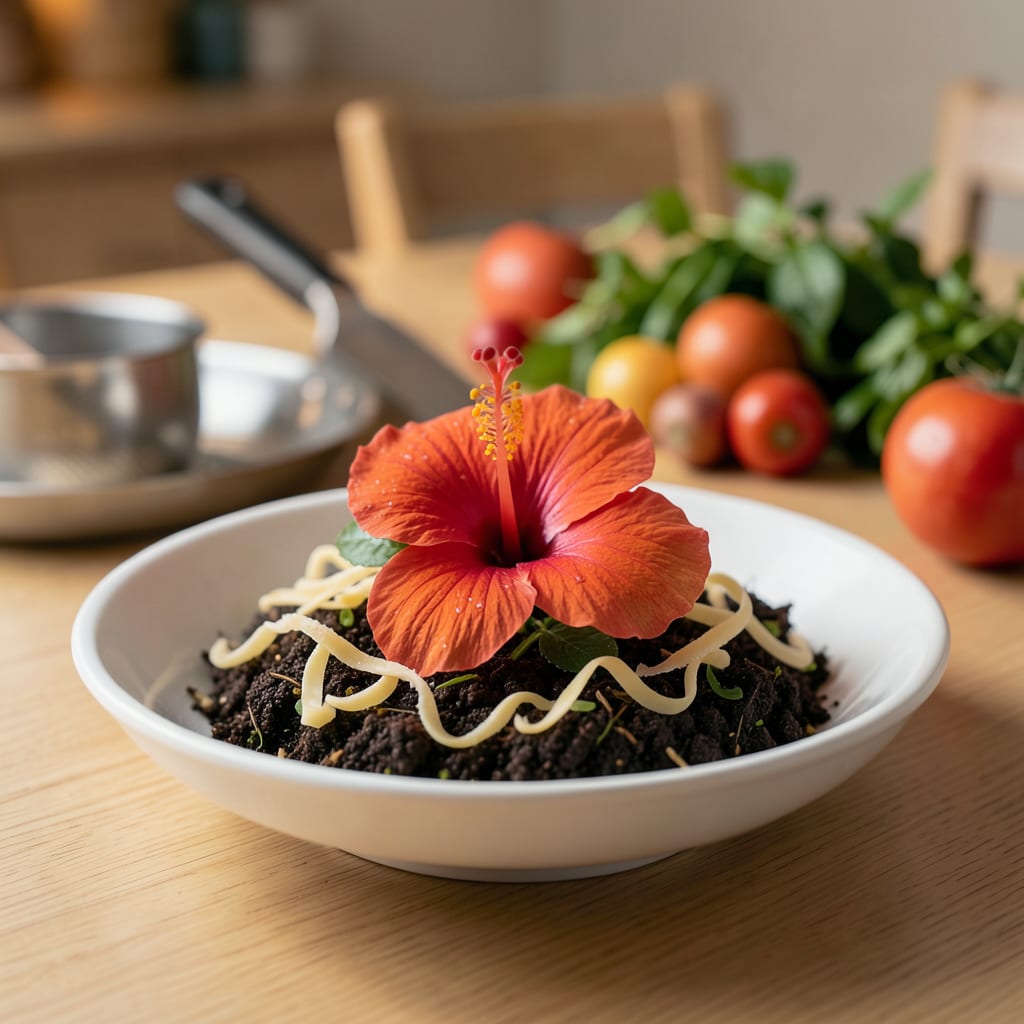
As spring arrives, gardeners eagerly anticipate planting their Hibiscus 🌺 in the ground. In USDA Zone 6, the ideal time is late spring to early summer when the soil has warmed and frost danger has passed.
Understanding local climate conditions and frost dates is crucial for successful hibiscus cultivation. I’ll guide you through the best planting times and essential tips to ensure your hibiscus thrives in your garden.
When it comes to planting hibiscus 🌺 in the ground, timing is everything. The ideal planting time varies depending on your climate and region. In general, late spring to early summer is considered the best time to plant hibiscus in most areas.
In USDA Zone 6, it’s essential to wait until the soil has warmed up and the danger of frost has passed. This usually occurs around late May or early June. However, in warmer climates like USDA Zones 9-11, hibiscus can be planted year-round.
Understanding your local climate conditions and frost dates is crucial for determining the best time to plant hibiscus. In areas with frost, it’s essential to wait until the soil has warmed up and the danger of frost has passed.
In cooler climates, it’s recommended to start hibiscus plants indoors 4-6 weeks before the last frost date. This allows the plants to get a head start on the growing season and gives them a better chance of thriving.
For gardeners in warmer climates, the key is to plant when the weather is consistently warm. This ensures that the hibiscus plants can establish themselves quickly and start producing beautiful flowers.
To summarize, the best time to plant hibiscus in the ground depends on your local climate. By understanding your region’s frost dates and temperature patterns, you can choose the optimal time to plant and give your hibiscus the best chance to thrive.
Some additional factors to consider when planting hibiscus include soil temperature, moisture levels, and sunlight exposure. By taking these factors into account, you can create an ideal environment for your hibiscus plants to grow and flourish.
It’s also worth noting that container-grown hibiscus can be planted at any time, as long as the soil is warm and there’s no danger of frost. This provides more flexibility for gardeners who want to get a head start on the growing season.
Overall, planting hibiscus in the ground requires careful consideration of your local climate and growing conditions. By choosing the right time and providing the right care, you can enjoy beautiful, thriving hibiscus plants in your garden 🌺.
With proper care and attention, hibiscus plants can thrive and provide stunning flowers throughout the growing season. By following these guidelines and tips, you can create a beautiful and vibrant hibiscus garden that will be the envy of your neighbors.
Before planting hibiscus 🌺 in the ground, it’s essential to prepare your garden properly. This includes selecting the right location, preparing the soil, and providing initial care to ensure your hibiscus plants thrive.
The first step is to choose a location that receives full sun, as hibiscus plants require at least 6 hours of direct sunlight daily. Additionally, the area should have well-draining soil to prevent waterlogged soil conditions that can lead to root rot.
Test your soil pH and adjust it if necessary. Hibiscus prefers a slightly acidic to neutral soil pH (6.0-7.0). Add organic matter like compost to improve soil structure and fertility.
Dig a hole that’s twice as wide and just as deep as the root ball of your hibiscus plant. Gently remove the plant from its container and place it in the hole. Backfill with soil, tamping it down gently to remove air pockets.
Water your newly planted hibiscus thoroughly. Keep the soil consistently moist during the first few weeks after planting. You can also apply a balanced fertilizer to promote healthy growth.
By following these steps, you can create an ideal environment for your hibiscus plants to grow and flourish.
It’s also important to mulch around the base of your hibiscus plants to retain moisture and suppress weeds. This will help reduce the need for frequent watering and keep your garden looking its best.
In addition to proper soil preparation and initial care, regular maintenance is crucial for healthy hibiscus growth. This includes fertilizing regularly, pruning to maintain shape, and monitoring for pests.
By following these guidelines and tips, you can enjoy beautiful, thriving hibiscus plants in your garden. With their stunning flowers and relatively low maintenance requirements, hibiscus are an excellent choice for gardeners of all skill levels 🌼.
After planting your hibiscus 🌺 in the ground, proper care is essential for promoting healthy growth and abundant flowering. One of the most critical factors is maintaining the right watering schedule. Hibiscus plants prefer consistently moist soil, but they don’t like to be waterlogged.
Water your hibiscus plants in the morning to allow the plants to absorb the water throughout the day. Avoid getting water on the leaves to prevent fungal diseases 🌿.
Fertilization is another crucial aspect of post-planting care. Feed your hibiscus plants with a balanced fertilizer every 4-6 weeks during the growing season. This will provide them with the necessary nutrients to produce large, vibrant flowers.
Pruning is also essential for maintaining the shape and health of your hibiscus plants. Remove any dead or damaged branches to prevent disease and encourage new growth. You can also prune your hibiscus to maintain a desired shape or size 🌸.
By following these post-planting care tips, you can enjoy beautiful, thriving hibiscus plants in your garden. With proper care and attention, your hibiscus will reward you with stunning flowers throughout the growing season 🌺.
Hibiscus plants prefer warm soil, typically above 60°F (15°C). You can check soil temperature with a thermometer or wait until the soil feels warm to the touch.
No, it’s not recommended to plant hibiscus in the ground during winter, especially in cooler climates. Hibiscus plants are sensitive to frost, so wait until the danger of frost has passed before planting.
Keep the soil consistently moist during the first few weeks after planting. Water your hibiscus plants in the morning to allow the plants to absorb the water throughout the day.
It’s best to wait a few weeks after planting before fertilizing your hibiscus. Start with a balanced fertilizer every 4-6 weeks during the growing season to promote healthy growth and flowering.
