
Beautiful Plants For Your Interior
Beautiful Plants For Your Interior
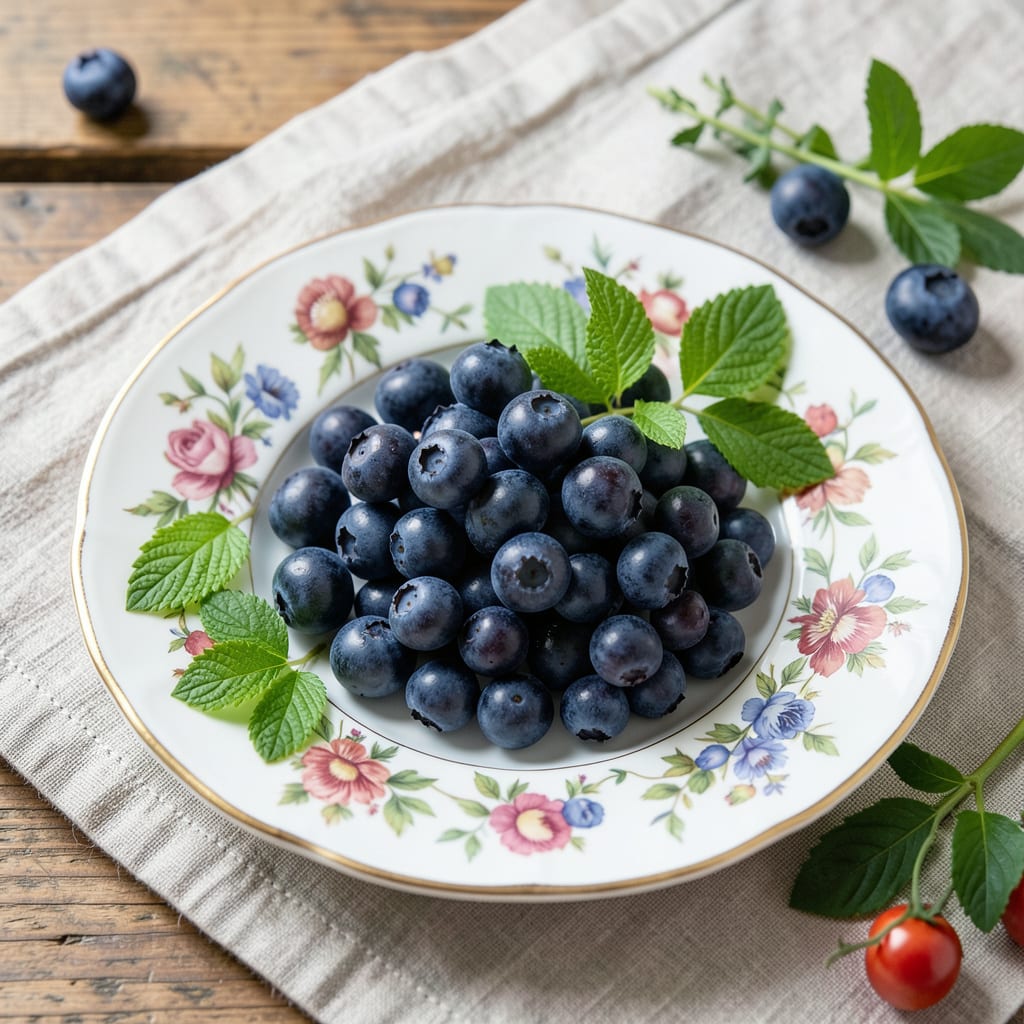
Fertilizing your Blueberry 🫐 plants at the right time is crucial for a bountiful harvest. In USDA Zone 6, the growing season is a key factor in determining the best fertilization schedule.
I’ll guide you through the optimal times to fertilize your Blueberry plants, ensuring they receive the necessary nutrients for optimal growth and fruit production throughout the season.

Fertilizing blueberry plants at the right time is crucial for maximizing yield and maintaining plant health throughout the growing season. In USDA Zone 6, blueberry plants have specific nutrient needs during different growth stages. I’ll guide you through the optimal fertilization schedule to ensure your plants receive the necessary nutrients for optimal growth and fruit production.
The fertilization schedule for blueberry plants varies throughout the year. Understanding when to fertilize is key to promoting healthy growth and maximizing yields. Let’s explore the best times to fertilize your blueberry plants 🌿.
Blueberry plants are acid-loving and require specific nutrients to thrive. A balanced fertilizer is essential for promoting healthy growth and maximizing yields. The best time to fertilize blueberry plants is during the growing season,eri when they are actively producing new growth.
Let’s dive deeper into the optimal fertilization schedule for blueberry plants throughout the year 🌟.
In early spring, as new growth begins, it’s essential to apply a balanced fertilizer (10-10-10 NPK) to support healthy growth. This initial fertilization sets the stage for a productive growing season 🌱.
The fertilizer application in early spring provides the necessary nutrients for blueberry plants to thrive. It’s crucial to follow the recommended application rates to avoid over-fertilization 🚨.
After the harvest, applying a balanced fertilizer again supports the plant’s recovery and promotes new growth. This step is vital for maintaining the plant’s health and productivity 🌿.
Post-harvest care is critical for blueberry plants. By applying fertilizer after the harvest, you ensure the plants have the necessary nutrients to recover and prepare for the next growing season 🌸.
By following this fertilization schedule, you can promote healthy growth and maximize yields in your blueberry plants.
Fertilizing blueberry plants at the right time is a crucial step in maintaining their health and productivity. By understanding the optimal fertilization schedule, you can provide your plants with the necessary nutrients to thrive throughout the growing season 🌱.
Key takeaways from this section include the importance of fertilizing blueberry plants in early spring and after harvest, using a balanced fertilizer, and avoiding fertilization during dormancy. By following these guidelines, you can promote healthy growth and maximize yields in your blueberry plants 🌟.
Understanding the nutrient needs of blueberry plants during different growth stages is crucial for maximizing yields and maintaining plant health. Blueberry plants have specific requirements during flowering, fruiting, and dormancy phases 🌿.
The growth stages of blueberry plants are critical in determining the optimal fertilization schedule. I’ll guide you through the key stages and the necessary nutrients required for healthy growth and fruit production.
During the flowering stage, blueberry plants require nitrogen-rich fertilizer to promote healthy growth and flower production 🌸.
During the fruiting stage, blueberry plants require balanced fertilizer (10-10-10 NPK) to support fruit development and overall plant health 🫐.
During the dormancy stage, blueberry plants require no fertilization, allowing them to conserve energy and prepare for the next growing season ❄️.
By understanding the nutrient needs of blueberry plants during different growth stages, you can provide targeted fertilization to promote healthy growth and maximize yields 🌟.
Key takeaways from this section include the importance of using nitrogen-rich fertilizer during the flowering stage, balanced fertilizer during the fruiting stage, and avoiding fertilization during dormancy. By following these guidelines, you can optimize your fertilization schedule for blueberry plants 🌱.
Fertilizing blueberry plants based on their growth stages is a critical step in maintaining their health and productivity. By understanding the specific nutrient needs during flowering, fruiting, and dormancy phases, you can provide the necessary nutrients for optimal growth and fruit production 🌿.
The fertilization tips provided in this section will help you create an effective fertilization schedule for your blueberry plants. By following these guidelines, you can promote healthy growth and maximize yields in your blueberry plants 🌟.
Fertilizing blueberry plants requires careful consideration to avoid common mistakes that can harm the plants. I’ll outline the potential pitfalls to watch out for when fertilizing your blueberry plants 🫐.
Understanding the common mistakes to avoid when fertilizing blueberry plants is crucial for maintaining their health and productivity. Let’s explore the potential pitfalls and how to avoid them 🌿.
Avoid over-fertilization as it can cause damage to the roots and leaves of blueberry plants. Always follow the recommended application rates 🚨.
Over-fertilization is a common mistake that can have detrimental effects on blueberry plants. It’s essential to follow the recommended application rates and avoid excessive fertilization 🌟.
Another critical mistake to avoid is using the wrong type of fertilizer. Blueberry plants require acidic fertilizers to thrive, so it’s crucial to choose a fertilizer that meets their specific needs 🌿.
Timing errors can also harm blueberry plants. Avoid fertilizing during dormancy, as this can cause unnecessary stress to the plants. Instead, focus on fertilizing during the growing season when the plants are actively producing new growth 🌱.
By being aware of these common mistakes and taking steps to avoid them, you can promote healthy growth and maximize yields in your blueberry plants 🌸.
Key takeaways from this section include avoiding over-fertilization, using the right type of fertilizer, and fertilizing at the right time. By following these guidelines, you can ensure the health and productivity of your blueberry plants 🌟.
Fertilize your blueberry plants every 4-6 weeks during the growing season, typically from early spring to summer. The exact frequency depends on soil quality and plant needs. Regular fertilization promotes healthy growth and maximizes yields.
Blueberry plants require acidic, balanced fertilizers with a 10-10-10 NPK ratio. This type of fertilizer provides the necessary nutrients for optimal growth and fruit production. Ensure the fertilizer is specifically formulated for acid-loving plants like blueberries.
No, it’s recommended to avoid fertilizing blueberry plants during dormancy (fall and winter). Fertilization during this period can cause unnecessary stress to the plants. Instead, focus on fertilizing during the growing season when the plants are actively producing new growth.
Apply 1 cup of fertilizer per 10 square feet of soil around your blueberry plants. Be sure to follow the recommended application rates on the fertilizer package to avoid over-fertilization, which can harm the plants. Always water thoroughly after fertilizing.
