
Beautiful Plants For Your Interior
Beautiful Plants For Your Interior
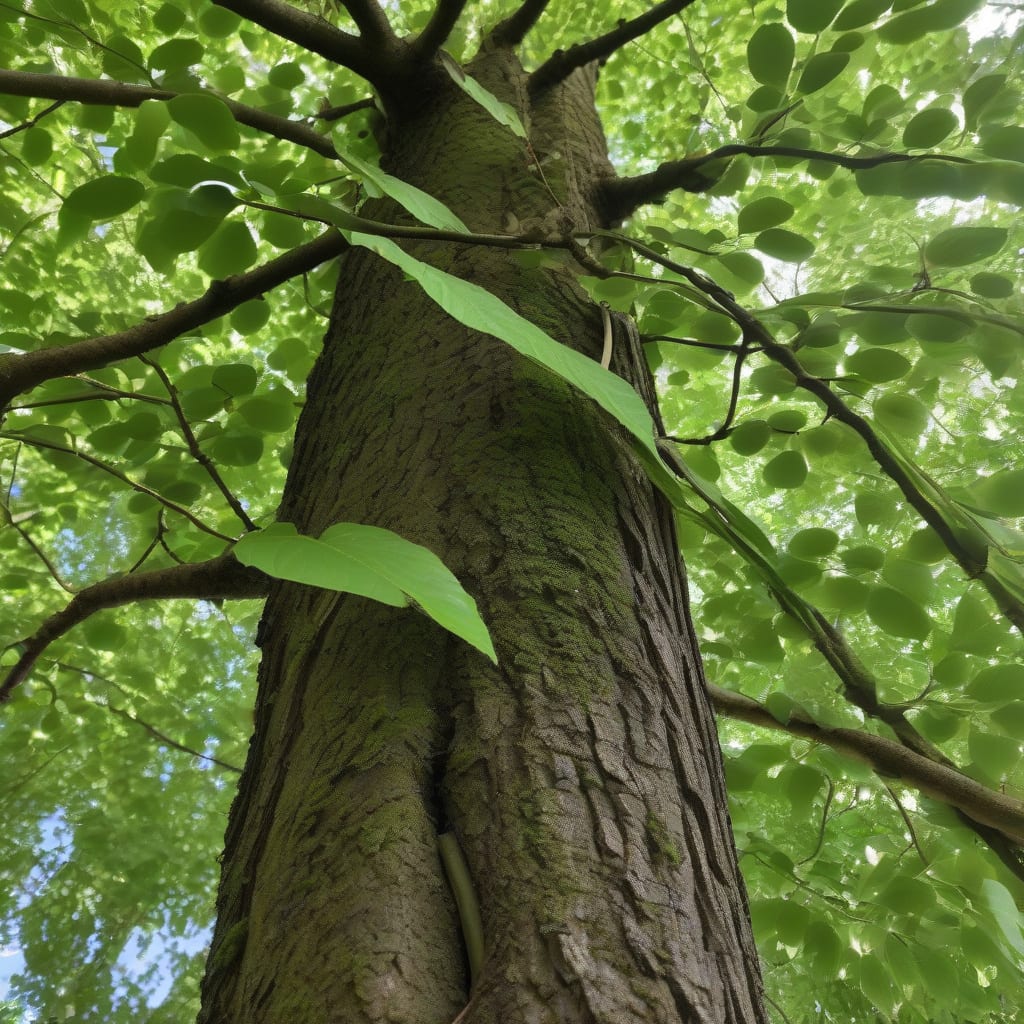
When planting a Hazelnut Tree 🌳, understanding its growth potential is crucial for proper planning and care. The mature height of these trees can significantly impact your garden’s layout and overall health.
In USDA Zone 6, Hazelnut Trees typically grow between 15-25 feet tall, with some varieties reaching even greater heights. Factors such as soil quality, pruning techniques, and growing conditions all play a role in determining the final size of your tree.


Hazelnut trees are known for their versatility and adaptability, but their height can vary significantly based on several key factors. Understanding these factors is essential for gardeners and growers to make informed decisions about planting and maintenance.
The primary factors that influence the height of hazelnut trees include the specific cultivar, growing conditions, and maintenance practices. Different varieties of hazelnut trees have been bred for various characteristics, including size.
The cultivar type is one of the most significant factors affecting the height of hazelnut trees. Dwarf varieties typically grow between 8-12 feet, while standard varieties can reach heights of 15-25 feet. The choice of cultivar will largely determine the mature height of the tree.
Soil quality also plays a critical role in the growth of hazelnut trees. Nutrient-rich soil with good drainage can support healthier growth, potentially leading to taller trees. Regular soil testing and appropriate fertilization can help maintain optimal soil conditions.
Pruning practices are another crucial factor in managing the height of hazelnut trees. Regular pruning can help control the tree’s size, promote a bushier growth habit, and improve overall health by removing dead or diseased branches.
Climate conditions, including temperature and moisture levels, can also impact the growth of hazelnut trees. Optimal growing conditions will support better growth and potentially greater heights. Hazelnut trees generally thrive in USDA Zone 6, where they can receive the necessary chill hours and growing season warmth 🌳.
In addition to these factors, other elements such as sunlight exposure and spacing between trees can also influence the height and overall health of hazelnut trees. Ensuring that trees receive adequate sunlight and are spaced appropriately can help prevent competition for resources and promote optimal growth.
Understanding the interplay of these factors can help gardeners and growers make informed decisions about planting and caring for hazelnut trees. By selecting the right cultivar and providing optimal growing conditions, it’s possible to achieve the desired tree height and promote healthy, productive growth.
Regular monitoring and maintenance are key to managing the height of hazelnut trees effectively. This includes not only pruning but also ongoing care practices such as fertilization and pest management.
By combining the right cultivar selection with appropriate care and maintenance practices, gardeners can optimize the growth and productivity of their hazelnut trees. This holistic approach ensures that trees reach their full potential while maintaining a manageable size for the garden.
Effective management of hazelnut tree height not only enhances the aesthetic appeal of the garden but also contributes to the overall health and productivity of the trees. With proper care, hazelnut trees can provide bountiful harvests for years to come.
Hazelnut trees are known for their moderate growth rate and medium size, making them a popular choice for home gardens and commercial orchards. Understanding their average and maximum height is crucial for proper planning and management 🌳.
The height of hazelnut trees can vary significantly based on the specific cultivar, growing conditions, and maintenance practices. On average, standard hazelnut trees can grow between 15-25 feet tall, while dwarf varieties typically reach heights of 8-12 feet.
Typically grow between 15-25 feet tall, with some cultivars reaching up to 30 feet in ideal conditions.
Generally range from 8-12 feet tall, making them suitable for smaller gardens or container cultivation.
Typically grow between 12-18 feet tall, offering a balance between size control and nut production.
The maximum height of hazelnut trees is influenced by various factors, including soil quality, climate conditions, and pruning practices. Optimal growing conditions, such as well-drained soil and full sun, can support healthier growth and potentially greater heights.
Pruning is a critical maintenance practice that can help control the height of hazelnut trees. Regular pruning can promote a bushier growth habit, improve air circulation, and increase nut production.
In addition to pruning, other factors such as fertilization and pest management play important roles in maintaining the overall health and productivity of hazelnut trees. A balanced fertilizer applied during the growing season can support healthy growth.
Understanding the growth characteristics of different hazelnut varieties is essential for making informed decisions about planting and care. By selecting the right cultivar and providing optimal growing conditions, gardeners can achieve the desired tree height and promote healthy, productive growth 🌟.
Regular monitoring and maintenance are key to managing the height of hazelnut trees effectively. This includes ongoing care practices such as pruning, fertilization, and pest management.
By combining appropriate cultivar selection with proper care and maintenance practices, gardeners can optimize the growth and productivity of their hazelnut trees, ensuring bountiful harvests for years to come.
When growing hazelnut trees, managing their size is crucial for maintaining a healthy and productive garden. Proper care techniques can help control the tree’s height and promote optimal growth 🌳.
One effective method for managing hazelnut tree size is through regular pruning. Pruning helps maintain the desired height, promotes a bushier growth habit, and improves overall tree health by removing dead or diseased branches.
Prune your hazelnut tree annually to maintain its shape and promote healthy growth. Remove any dead, diseased, or crossing branches to improve air circulation and reduce the risk of disease.
In addition to pruning, other horticultural practices can help manage hazelnut tree size. Training the tree to a central leader or open center system can also influence its growth habit and overall size.
Understanding the growth characteristics of your specific hazelnut variety is essential for effective size management. Different cultivars have different growth habits, so tailoring your care practices to the specific needs of your tree is crucial.
By combining regular pruning with other appropriate care practices, such as fertilization and pest management, you can maintain a healthy and productive hazelnut tree that fits well within your garden’s landscape 🌟.
