
Beautiful Plants For Your Interior
Beautiful Plants For Your Interior
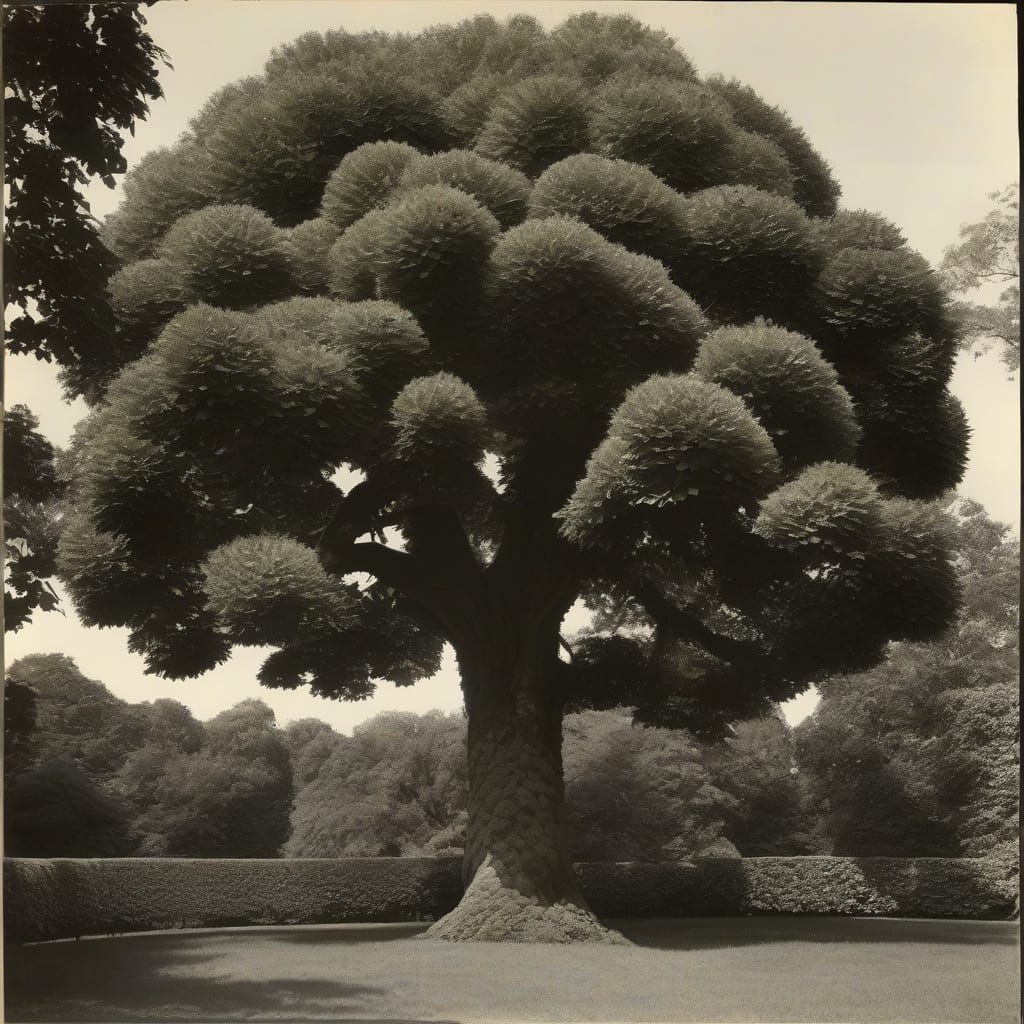
I’ve always been fascinated by the majestic Chestnut Tree 🌳, known for its impressive height and bountiful harvests. Growing in USDA Zone 6, these trees can become a stunning centerpiece in any landscape.
Understanding how tall they can grow is crucial for planning and care. Let’s explore the growth potential of Chestnut Trees and what factors influence their maximum height.


I’ve found that understanding the factors that influence the height of Chestnut Trees 🌳 is crucial for gardeners and landscapers. The maximum height a Chestnut Tree can reach depends on several key factors.
The soil quality plays a significant role in determining the height of a Chestnut Tree. Well-draining, fertile soil with a pH between 6.0 and 6.5 can support healthy growth, while poor soil conditions can limit the tree’s potential height.
Climate conditions also significantly impact the height of Chestnut Trees. Moderate temperatures, adequate rainfall, and sufficient sunlight all contribute to healthy growth and maximum height potential.
The specific variety of Chestnut Tree is another critical factor. Different varieties have distinct growth characteristics, with some naturally growing taller than others. Understanding these differences is essential for selecting the right tree for your needs.
By considering these factors, gardeners and landscapers can better understand the potential height of their Chestnut Trees and take steps to support optimal growth.
For example, American Chestnut Treesnut Trees chestnut trees can grow up to 80 feet tall, while Chinese Chestnut trees typically reach heights of 50-60 feet. 🌳
European Chestnut trees can grow even taller, sometimes exceeding 100 feet in ideal conditions. However, these heights are not common in cultivation, and most Chestnut Trees found in landscapes typically reach 40-60 feet in height.
The growth rate of Chestnut Trees also affects their final height. Young Chestnut Trees can grow 1-2 feet per year under optimal conditions, but this rate slows as the tree matures.
Understanding these factors helps gardeners and landscapers make informed decisions about planting and caring for Chestnut Trees to achieve their desired height and overall health.
By providing the right conditions and care, you can help your Chestnut Tree reach its full potential height and enjoy its many benefits for years to come.
I’ve found that different varieties of Chestnut Trees 🌳 have varying growth potentials when it comes to height. Understanding these differences is essential for gardeners and landscapers to make informed decisions about planting and caring for these trees.
The height of Chestnut Trees can vary significantly depending on the specific variety. Let’s explore the maximum heights of different Chestnut Tree varieties to better understand their growth potential.
The American Chestnut is known for its impressive height, typically growing between 60-80 feet tall, with some specimens reaching up to 100 feet in ideal conditions. 🌳
In contrast, the Chinese Chestnut tends to be smaller, usually growing between 40-60 feet tall, with a maximum height of around 80 feet.
The European Chestnut is another variety that can grow quite tall, often reaching heights of 80-100 feet, and sometimes even exceeding 120 feet in optimal environments.
Understanding the typical and maximum heights of different Chestnut Tree varieties helps gardeners and landscapers plan and care for these trees more effectively, ensuring they reach their full potential.
By selecting the right variety for your specific needs and providing proper care, you can enjoy the many benefits of these magnificent trees for years to come.
I’ve found that managing the height of Chestnut Trees 🌳 is crucial for maintaining their overall health and ensuring they reach their full potential. Proper pruning and growth management techniques can help control the tree’s height while promoting optimal growth.
Prune your Chestnut Tree annually to maintain its shape and promote healthy growth. Remove any dead or diseased branches to prevent damage and encourage new growth.
To manage the height of your Chestnut Tree, it’s essential to understand the importance of pruning techniques. Pruning helps control the tree’s height, promotes a strong structure, and encourages fruiting. I recommend pruning your tree annually, removing any dead, diseased, or damaged branches.
Growth management strategies also play a critical role in maintaining the optimal height of your Chestnut Tree. This includes providing adequate watering, fertilization, and pest management. By following these tips, you can help your tree reach its full potential height while maintaining its overall health.
For example, regular watering is crucial during the first year after planting. Chestnut Trees prefer moist soil but can tolerate some drought. I recommend watering your tree weekly during the growing season, especially during hot and dry weather.
By implementing these strategies, you can effectively manage the height of your Chestnut Tree and enjoy its many benefits for years to come.
