
Beautiful Plants For Your Interior
Beautiful Plants For Your Interior
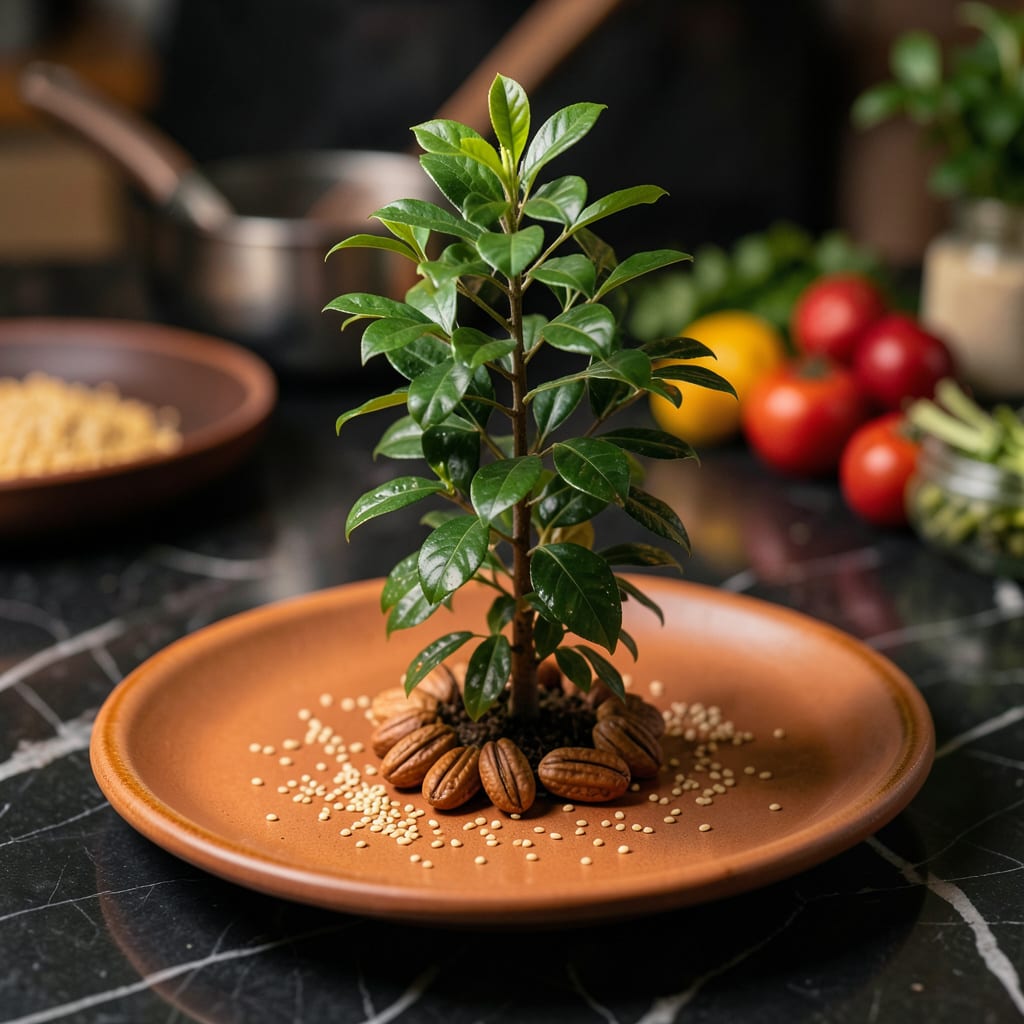
As I stand beneath a majestic 🌳 Pecan Tree, I’m struck by its towering presence – some specimens reach heights of 100 feet or more. Growing in USDA Zone 6, these trees can become a stunning centerpiece in any landscape.
Understanding how tall pecan trees can grow is crucial for proper planning and care in your orchard or yard, especially when planted in late winter to early spring. Let’s explore the factors that influence their growth and maximum height potential.
Pecan tree height is influenced by multiple factors that interact in complex ways. Genetic potential plays a crucial role, with different cultivars having varying growth characteristics. Soil quality is another critical factor, as well-draining soil with adequate nutrient content supports healthy root development 🌳.
Climate conditions significantly impact pecan tree growth. Trees growing in their native habitat tend to reach their maximum potential height more consistently than those in less suitable environments. Temperature, rainfall patterns, and sunlight exposure all contribute to overall tree health and height development.
The combination of these factors determines the ultimate height of a pecan tree. Optimal growing conditions can allow trees to reach their maximum genetic potential, while stressful conditions may limit their growth. Proper care practices, including regular watering and fertilization, contribute to healthy tree development 🌿.
Understanding these factors helps growers and landscapers make informed decisions about pecan tree cultivation. By optimizing growing conditions and care practices, it’s possible to maximize tree height while maintaining overall tree health and productivity.
Pecan trees generally begin with moderate growth rates in their early years, typically growing 3-5 feet in the first year after planting. As trees mature, their growth rate slows, but they continue to develop their canopy and root system.
Soil moisture management is particularly important for young pecan trees. Consistent moisture during the first growing season helps establish a strong root system, which supports future height growth. Mature trees are more drought-tolerant but still benefit from regular watering during dry periods 💧.
The annual growth cycle of pecan trees typically begins in late winter to early spring when dormancy breaks. This natural cycle influences how tall pecan trees can grow in a given year, with optimal conditions leading to more significant height increases.
In ideal conditions, with full sun and adequate water, pecan trees can achieve remarkable heights. The tallest pecan trees on record have exceeded 150 feet, although such extreme heights are rare 🌲.
For most growers, understanding the average height range of 60-100 feet for mature pecan trees provides a more realistic expectation. This knowledge helps in planning orchard layouts and managing tree canopies for optimal production and maintenance.
Regular monitoring of tree health and growth patterns helps identify any potential issues early. This proactive approach allows for timely interventions to maintain optimal growing conditions and support maximum height potential.
By combining good genetics with optimal growing conditions and proper care, growers can help their pecan trees achieve their full height potential while maintaining overall tree health and productivity.
Pecan trees are known for their impressive height potential, with mature trees typically ranging between 60-100 feet tall. The maximum height a pecan tree can achieve depends on various factors, including genetics, growing conditions, and proper care 🌳.
Under ideal conditions, with full sun and adequate water, pecan trees can reach remarkable heights. The tallest pecan trees on record have exceeded 150 feet, although such extreme heights are rare 🌲.
Typically ranges between 70-100 feet for standard varieties
Some pecan trees have been known to exceed 150 feet in ideal conditions
These varieties typically reach heights of 15-50 feet, making them suitable for smaller spaces
The height potential of pecan trees is also influenced by their growth rate. Young pecan trees typically grow 3-5 feet in their first year after planting, with the growth rate slowing as they mature 🌿.
Understanding the maximum height potential of pecan trees is essential for planning and managing orchards or landscapes. By considering factors such as soil quality, climate conditions, and proper care practices, growers can optimize tree health and productivity 🌟.
Regular monitoring of tree health and growth patterns helps identify potential issues early, allowing for timely interventions to maintain optimal growing conditions and support maximum height potential 📏.
By combining good genetics with optimal growing conditions and proper care, growers can help their pecan trees achieve their full height potential while maintaining overall tree health and productivity 🌳.
Managing pecan tree height is crucial for maintaining optimal production and ensuring the long-term health of the tree. Proper pruning techniques play a vital role in controlling tree height while promoting fruiting and overall tree structure 🌳.
Prune pecan trees during their dormant season to minimize stress and promote healthy growth. Remove dead, diseased, or damaged branches to maintain tree health and structure.
Regular pruning helps maintain a balanced tree structure, allowing for better sunlight penetration and air circulation. This, in turn, promotes healthy fruit production and reduces the risk of disease 🌟.
Training young trees is essential for establishing a strong, well-structured canopy. By selecting a central leader and removing competing branches, growers can promote a more manageable tree height and improve overall tree health 🌲.
In addition to pruning, other horticultural practices can help manage pecan tree height. These include thinning fruit to reduce stress on the tree and fertilizing appropriately to promote balanced growth 🌿.
By implementing these strategies, growers can effectively manage pecan tree height while maintaining optimal production and tree health. Regular monitoring and timely interventions are key to achieving these goals 📏.

