
Beautiful Plants For Your Interior
Beautiful Plants For Your Interior
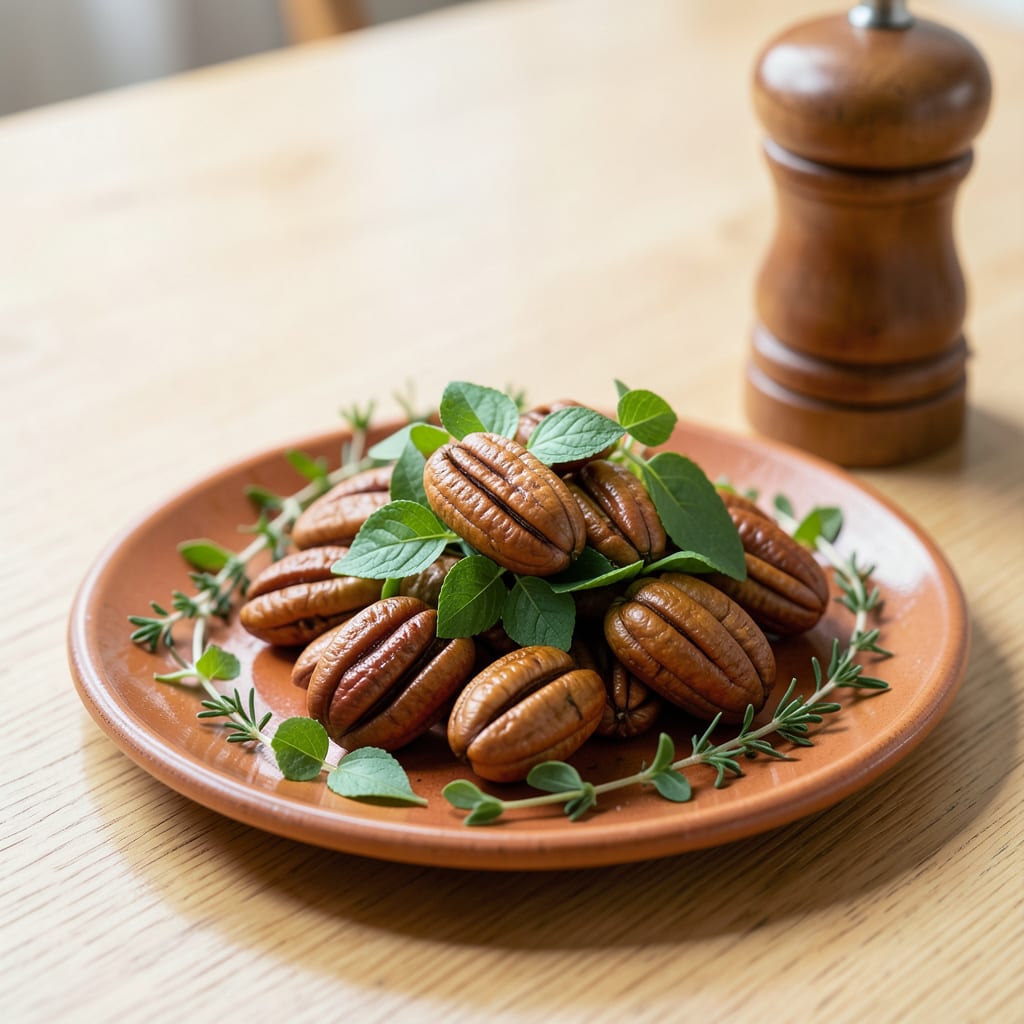
Fertilizing your Pecan Tree 🌳 in Texas at the right time is crucial for maximizing nut production and maintaining tree health. The ideal times are during early spring (February – March) and early fall (September – October).
Understanding when to fertilize can make all the difference in your tree’s growth and productivity. I’ll guide you through the best practices for fertilizing your Pecan Tree in Texas’s climate.

Fertilizing pecan trees in Texas is crucial for their health and productivity. The best times to fertilize are during early spring (February – March) and early fall (September – October). These periods align with the tree’s natural growth cycles and nutrient needs 🌳.
Understanding the optimal fertilization schedule can significantly impact your tree’s nut production and overall health. I’ll guide you through the best practices for fertilizing your pecan tree in Texas’s climate, ensuring you get the most out of your efforts.
The early spring fertilization is critical as it supports the tree’s growth during the active growing season. Applying fertilizer before budbreak ensures that the tree has the necessary nutrients to produce healthy leaves and nuts.
In early fall, fertilizing after harvest helps replenish the soil’s nutrients and supports root development. This timing is particularly beneficial in Texas’s climate, where pecan trees need a boost after the hot summer months.
When choosing a fertilizer, opt for a balanced, slow-release formula that includes micronutrients essential for pecan tree health. The recommended NPK ratio is 10-10-10 or 12-12-12, which provides a good balance of nitrogen, phosphorus, and potassium.
The application rate depends on the tree’s size, measured by the trunk diameter. A general guideline is to apply 1-2 pounds of fertilizer per inch of trunk diameter. This ensures that the tree receives adequate nutrients without over-fertilizing.
It’s also important to consider the timing of application. Fertilizer should be applied in the early morning or late afternoon when the soil is moist, either after rainfall or irrigation. This helps with nutrient absorption and reduces the risk of burning the roots.
For young pecan trees, more frequent fertilization may be necessary during the first few years after planting. Annual soil testing can help determine the specific nutrient needs of your trees and adjust the fertilization schedule accordingly.
In Texas, regional weather patterns and soil types can influence fertilization needs. For instance, trees in sandy soils may require more frequent fertilization due to nutrient leaching, while those in clay soils might need less frequent applications.
By following these guidelines and understanding the specific needs of your pecan trees, you can optimize their health and productivity. Regular fertilization, combined with proper watering and pruning practices, will ensure your trees thrive in Texas’s climate 🌟.
Monitoring your trees’ response to fertilization and adjusting your practices as needed is key to maintaining their health. Keep an eye out for signs of nutrient deficiencies or excesses, and consult with local agricultural experts if you have any concerns.
Proper fertilization is just one aspect of comprehensive pecan tree care. By integrating it with other best practices, such as regular watering and pruning, you can enjoy a bountiful harvest for years to come.
Fertilizing pecan trees in Texas requires understanding several key factors that influence their nutrient needs. The soil type plays a significant role in determining the fertilization schedule. For instance, trees growing in sandy soils may need more frequent fertilization due to nutrient leaching, while those in clay soils might require less frequent applications 🌳.
Tree age is another critical factor. Young pecan trees have different fertilization needs compared to mature trees. During the first few years after planting, more frequent fertilization may be necessary to support their growth and development.
Regional weather patterns in Texas can significantly impact pecan tree fertilization needs. Areas with high rainfall may require adjustments to the fertilization schedule to avoid over-fertilizing.
Regional weather patterns also affect fertilization needs. Texas’s climate varies across different regions, with some areas experiencing more rainfall than others. This variability can impact the soil’s nutrient content and the tree’s ability to absorb these nutrients.
To determine the specific nutrient needs of your pecan trees, annual soil testing is highly recommended. Soil tests can reveal deficiencies in key nutrients such as nitrogen, phosphorus, and potassium, allowing you to adjust your fertilization schedule accordingly.
The type of fertilizer used is also crucial. A balanced, slow-release granular fertilizer with micronutrients is ideal for pecan trees. The recommended NPK ratio is 10-10-10 or 12-12-12, providing a good balance of essential nutrients.
When applying fertilizer, consider the timing and application rate. Fertilizer should be applied in the early morning or late afternoon when the soil is moist. The application rate should be based on the tree’s trunk diameter, typically 1-2 pounds of fertilizer per inch of trunk diameter.
By understanding and addressing these factors, you can create an effective fertilization plan tailored to your pecan trees’ specific needs in Texas’s climate. This approach will help optimize their health and productivity, ensuring a bountiful harvest for years to come 🌟.
Fertilizing pecan trees in Texas requires understanding their growth stages and adjusting your fertilization strategy accordingly. The age of the tree significantly influences its nutrient needs 🌳.
For young pecan trees, more frequent fertilization is necessary during the first few years after planting. This supports their rapid growth and development. A balanced fertilizer with a higher nitrogen content can promote healthy leaf and stem growth.
Apply a starter fertilizer with a higher phosphorus content to promote root development.
Switch to a balanced fertilizer (10-10-10 NPK) to support overall tree health and nut production.
Continue with annual fertilization using a balanced fertilizer, adjusting the application rate based on the tree’s trunk diameter.
Mature pecan trees benefit from annual fertilization to maintain their health and productivity. The application rate should be based on the tree’s trunk diameter, typically 1-2 pounds of fertilizer per inch of trunk diameter. A slow-release granular fertilizer with micronutrients is ideal for providing a steady supply of nutrients throughout the growing season.
It’s also important to consider the timing of fertilization. For both young and mature trees, fertilizing in early spring (February – March) and early fall (September – October) is recommended. This aligns with the tree’s natural growth cycles and nutrient needs.
By tailoring your fertilization strategy to the specific growth stage of your pecan trees, you can optimize their health and productivity. Regular fertilization, combined with proper watering and pruning practices, will ensure your trees thrive in Texas’s climate 🌟.
The best times to fertilize pecan trees in Texas are during early spring (February – March) and early fall (September – October). These periods align with the tree’s natural growth cycles and nutrient needs. Fertilizing at these times supports healthy growth and maximizes nut production.
Pecan trees in Texas typically require fertilization twice a year. The frequency may vary based on factors like soil type and tree age. Young trees may need more frequent fertilization during their first few years. Regular soil testing can help determine the specific needs of your trees.
A balanced, slow-release granular fertilizer with micronutrients is ideal for pecan trees. The recommended NPK ratio is 10-10-10 or 12-12-12, providing a good balance of nitrogen, phosphorus, and potassium. This type of fertilizer supports overall tree health and nut production.
The application rate depends on the tree’s size, measured by the trunk diameter. A general guideline is to apply 1-2 pounds of fertilizer per inch of trunk diameter. This ensures that the tree receives adequate nutrients without over-fertilizing. Always follow the specific instructions on the fertilizer package.
