
Beautiful Plants For Your Interior
Beautiful Plants For Your Interior
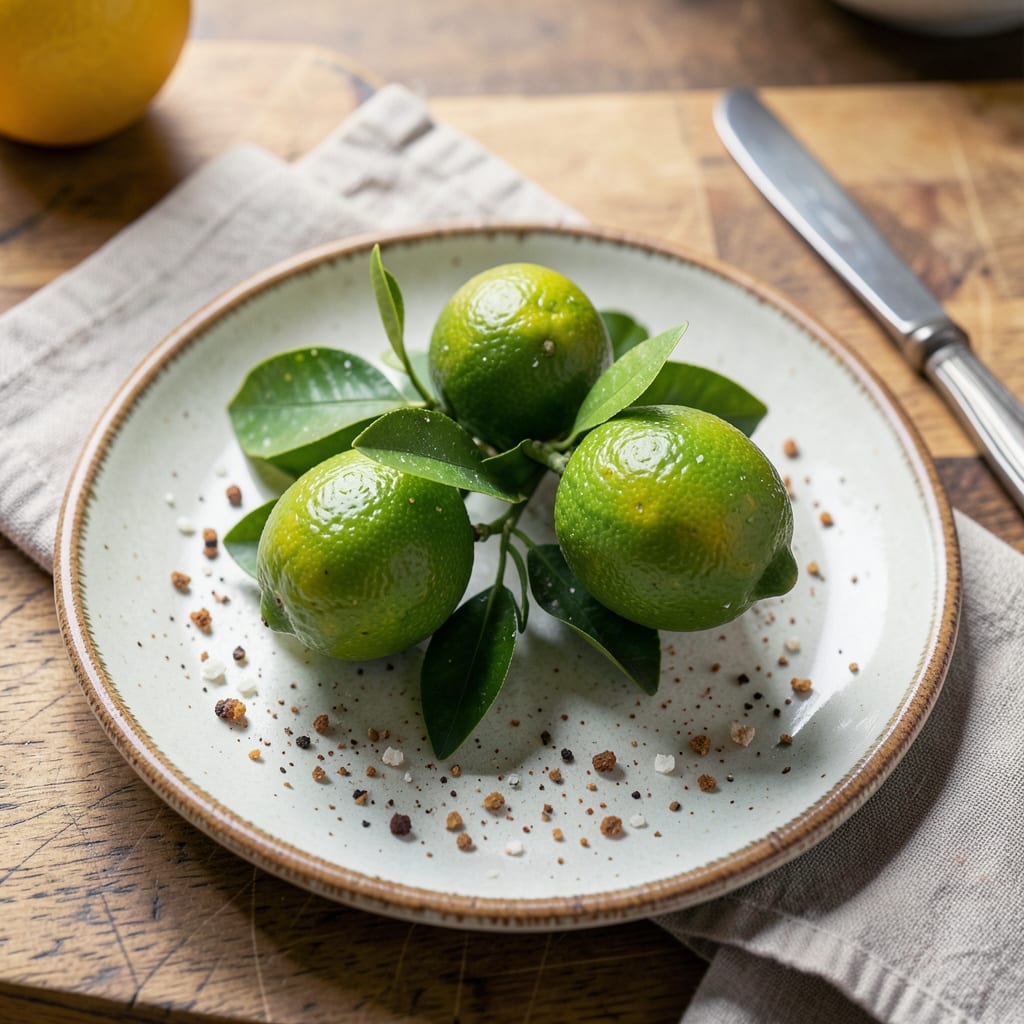
Growing citrus trees 🍊 in Phoenix can be rewarding, but timing is everything. Fertilizing at the right moments is crucial for optimal growth and fruit production in USDA Zone 9b.
I follow a simple schedule that aligns with Phoenix’s desert climate: February and September are key months to provide essential nutrients. Let’s explore how to keep your citrus trees thriving year-round.

Fertilizing citrus trees in Phoenix requires understanding the desert climate’s unique challenges and opportunities for optimal growth. The key is to fertilize during the growing seasons when trees can best utilize the nutrients.
I recommend fertilizing citrus trees in Phoenix during specific times of the year to maximize their growth and fruit production. The ideal months for fertilization are February, March, September, and October. These periods coincide with the trees’ active growth phases.
The February application is crucial as it supports new growth and fruit development. A second major fertilization occurs in September, helping trees recover from summer stress and prepare for the next growing season.
Citrus trees in Phoenix benefit from a balanced fertilizer with an NPK ratio of 10-10-10 or 12-6-6. The exact amount depends on the tree’s size and age: typically 1-2 cups per application.
It’s essential to avoid fertilizing during the peak summer months when trees are stressed from heat. Instead, maintain soil moisture and provide adequate irrigation during this period.
For young trees (less than 3 years old), more frequent fertilization may be necessary, typically every 6-8 weeks during the growing season. Mature trees can be fertilized less frequently, following the seasonal schedule.
Soil conditions also play a critical role in fertilization. Phoenix’s alkaline soils may require additional micronutrients like iron and zinc to prevent deficiencies.
Monitoring tree health is crucial. Signs of nutrient deficiency include yellow leaves, poor fruit set, and slow growth. Adjust fertilization based on these observations.
Always water thoroughly after fertilizing to help nutrients reach the root zone. Early morning or late afternoon are the best times for fertilization to minimize evaporation and maximize absorption.
By following this seasonal fertilization schedule, you can ensure your citrus trees receive the necessary nutrients to thrive in Phoenix’s desert climate. Regular monitoring and adjustments will help maintain optimal tree health and fruit production.
For more specific advice tailored to your tree’s variety and local conditions, consult with a local nursery or horticulturist. They can provide guidance on the best fertilization practices for your specific citrus trees in Phoenix 🌵.
To keep your citrus trees thriving in Phoenix’s desert climate, it’s essential to understand their nutrient requirements and how to meet them effectively. Citrus trees need a balanced diet of nutrients to support their growth and fruit production.
I recommend using a balanced fertilizer with an NPK ratio of 10-10-10 or 12-6-6. This provides the necessary nutrients for healthy growth and fruiting. The amount of fertilizer needed depends on the tree’s size and age.
For young trees (less than 3 years old), fertilize every 6-8 weeks during the growing season. Mature trees can be fertilized less frequently, following the seasonal schedule. Always water thoroughly after fertilizing to help nutrients reach the root zone 🌵.
The frequency of fertilization is also crucial. For young trees, more frequent fertilization is necessary to support their rapid growth. As trees mature, the frequency can be reduced.
Soil conditions play a significant role in fertilization. Phoenix’s alkaline soils may require additional micronutrients like iron and zinc to prevent deficiencies. Regular soil testing can help determine the specific needs of your trees.
When applying fertilizer, it’s best to do so in the early morning or late afternoon to minimize evaporation and maximize absorption. This timing helps ensure that the nutrients are effectively utilized by the trees.
Monitoring your trees’ health is vital. Look for signs of nutrient deficiency, such as yellow leaves, poor fruit set, and slow growth. Adjust your fertilization strategy based on these observations to maintain optimal tree health.
By following these fertilization strategies, you can help your citrus trees thrive in Phoenix’s desert climate.
When fertilizing citrus trees in Phoenix, it’s essential to avoid common mistakes that can harm your trees. One of the most significant errors is fertilizing during the wrong season. Citrus trees in Phoenix have specific growing seasons, and fertilizing outside of these periods can be ineffective or even harmful.
Avoid fertilizing citrus trees during the peak summer months when they’re stressed from heat. Instead, maintain soil moisture and provide adequate irrigation during this period 🌵.
Another mistake to avoid is over-fertilizing. Citrus trees don’t require a lot of fertilizer, and excessive application can damage the tree and the environment. Always follow the recommended application rates and adjust based on the tree’s age and size.
Soil conditions are also crucial when fertilizing citrus trees. Phoenix’s alkaline soils may require additional micronutrients like iron and zinc to prevent deficiencies. Regular soil testing can help determine the specific needs of your trees.
It’s also important to water thoroughly after fertilizing to help nutrients reach the root zone. Early morning or late afternoon are the best times for fertilization to minimize evaporation and maximize absorption.
By avoiding these common fertilization mistakes, you can help your citrus trees thrive in Phoenix’s desert climate. Regular monitoring and adjustments will help maintain optimal tree health and fruit production 🍊.
Fertilize citrus trees in Phoenix during February, March, September, and October when they’re actively growing. These periods support new growth and fruit development.
For young citrus trees (less than 3 years old), fertilize every 6-8 weeks during the growing season (February to October). Use a balanced fertilizer with an NPK ratio of 10-10-10 or 12-6-6.
Avoid fertilizing citrus trees during peak summer months (June to August) when they’re stressed from heat. Instead, maintain soil moisture and provide adequate irrigation during this period.
Citrus trees in Phoenix benefit from a balanced fertilizer with an NPK ratio of 10-10-10 or 12-6-6. The amount depends on the tree’s size and age, typically 1-2 cups per application.
