
Beautiful Plants For Your Interior
Beautiful Plants For Your Interior
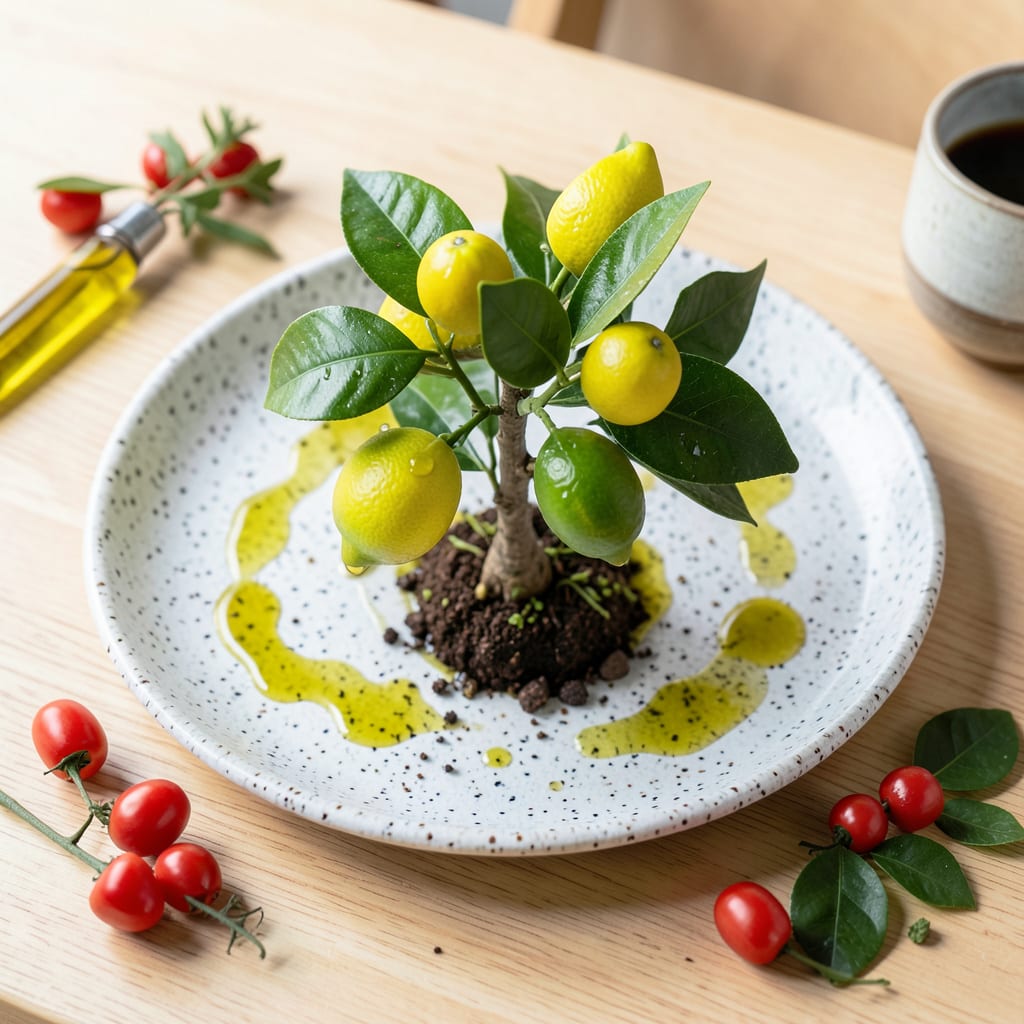
Fertilizing your 🍊 Citrus Tree at the right time is crucial for its health and yield. I’ve found that understanding when to fertilize can make all the difference in its growth and fruit production, especially in USDA Zone 9b where the climate is generally favorable.
So, when is the best time to fertilize your Citrus Tree? Let’s explore the optimal fertilization schedule to keep your tree thriving throughout the year.

Fertilizing citrus trees at the right time is crucial for their health and productivity. In my experience, understanding the optimal fertilization schedule can significantly impact the tree’s growth and fruit production. Citrus trees typically require multiple feedings throughout the year.
The fertilization frequency for citrus trees is usually every 6-8 weeks during the growing season. This frequency helps maintain the necessary nutrient levels for optimal growth and fruiting. 🌴
The ideal months for fertilizing citrus trees are February, March, August, and September. These months coincide with the tree’s active growth periods and fruit development stages. It’s essential to use a balanced fertilizer with an NPK ratio of 10-10-10 to provide the necessary nutrients.
When fertilizing, it’s recommended to apply the fertilizer in the early morning when the soil is moist. The amount of fertilizer to use is typically 1 cup per 10 square feet of soil surface area. Adjusting the fertilization schedule based on the tree’s age and soil conditions is also important.
Young citrus trees (less than 3 years old) may require more frequent fertilization, while mature trees can follow the standard schedule. Monitoring the tree’s response to fertilization and adjusting the schedule as needed is crucial for optimal results.
It’s also important to consider the soil type and climate conditions when determining the fertilization schedule. For example, trees in sandy soils may require more frequent fertilization due to nutrient leaching.
In USDA Zone 9b, the mild winters allow for a longer growing season, but it’s still essential to adjust the fertilization schedule accordingly. Skipping fertilization during the winter months when the tree is dormant helps prevent over-fertilization.
By following this seasonal fertilization schedule, you can promote healthy growth and maximize the yield of your citrus trees. Regular monitoring and adjustments will help ensure the best results. 🌱
Additionally, it’s worth noting that over-fertilization can be harmful to citrus trees, causing damage to the roots and reducing fruit quality. Always follow the recommended application rates and adjust based on the tree’s response.
For container-grown citrus trees, the fertilization schedule may need to be adjusted due to the limited soil volume. More frequent fertilization may be necessary, but be cautious not to over-fertilize.
By understanding and implementing the right fertilization strategy, you can enjoy a bountiful harvest of delicious citrus fruits from your trees. 🍊
When fertilizing citrus trees, several key factors must be considered to ensure optimal results. The soil type plays a crucial role in determining the fertilization schedule. For instance, trees in sandy soils may require more frequent fertilization due to nutrient leaching.
The age of the tree is another critical factor. Young citrus trees (less than 3 years old) may require more frequent fertilization, while mature trees can follow the standard schedule. Monitoring the tree’s response to fertilization and adjusting the schedule as needed is crucial for optimal results.
Citrus trees in USDA Zone 9b have different fertilization needs compared to those in cooler or warmer zones. Adjusting the fertilization schedule according to the local climate is essential.
Climate conditions also significantly impact fertilization. In areas with mild winters like USDA Zone 9b, the fertilization schedule can be adjusted to accommodate the longer growing season. However, it’s still important to skip fertilization during the winter months when the tree is dormant.
The nutrient requirements of citrus trees vary throughout the year. A balanced fertilizer with an NPK ratio of 10-10-10 is generally recommended. However, the specific nutrient needs may change based on the tree’s growth stage and soil conditions.
Understanding these factors and how they interact is key to developing an effective fertilization strategy for your citrus trees. By considering soil type, tree age, climate conditions, and nutrient requirements, you can create a tailored approach that promotes healthy growth and maximizes yield.
Regular monitoring of the tree’s response to fertilization is crucial. Adjust the fertilization schedule as needed based on the tree’s growth and fruit production. This adaptive approach will help ensure the best results for your citrus trees. 🌳
It’s also worth noting that over-fertilization can be harmful, causing damage to the roots and reducing fruit quality. Always follow the recommended application rates and adjust based on the tree’s response.
For container-grown citrus trees, the fertilization schedule may need to be adjusted due to the limited soil volume. More frequent fertilization may be necessary, but be cautious not to over-fertilize.
To maximize citrus tree yield, it’s essential to understand the proper fertilization techniques. I’ve found that using the right fertilizer type and application method can significantly impact the tree’s growth and fruit production.
Select a balanced fertilizer with an NPK ratio of 10-10-10 to provide the necessary nutrients for optimal growth and fruiting.
Apply the fertilizer in the early morning when the soil is moist, using 1 cup per 10 square feet of soil surface area.
Regularly monitor the tree’s response to fertilization and adjust the schedule as needed to avoid over-fertilization.
By following these expert tips, you can promote healthy growth and maximize the yield of your citrus trees.
For container-grown citrus trees, more frequent fertilization may be necessary due to the limited soil volume. Be cautious not to over-fertilize, as this can cause damage to the roots and reduce fruit quality.
By understanding and implementing the right fertilization strategy, you can enjoy a bountiful harvest of delicious citrus fruits from your trees. 🍊
Citrus trees typically require fertilization every 6-8 weeks during the growing season. This frequency helps maintain necessary nutrient levels for optimal growth and fruiting. Adjust the schedule based on the tree’s age and soil conditions.
A balanced fertilizer with an NPK ratio of 10-10-10 is generally recommended for citrus trees. This provides the necessary nutrients for optimal growth and fruiting. Consider the tree’s growth stage and soil conditions when selecting a fertilizer.
No, it’s recommended to skip fertilization during the winter months when the tree is dormant. This helps prevent over-fertilization and allows the tree to conserve energy. Resume fertilization in the spring when the tree begins to grow again.
Watch for signs of over-fertilization, such as yellowing leaves or burned roots. If you notice these symptoms, stop fertilizing and flush the soil with water to remove excess nutrients. Monitor the tree’s response and adjust your fertilization schedule accordingly.
