
Beautiful Plants For Your Interior
Beautiful Plants For Your Interior
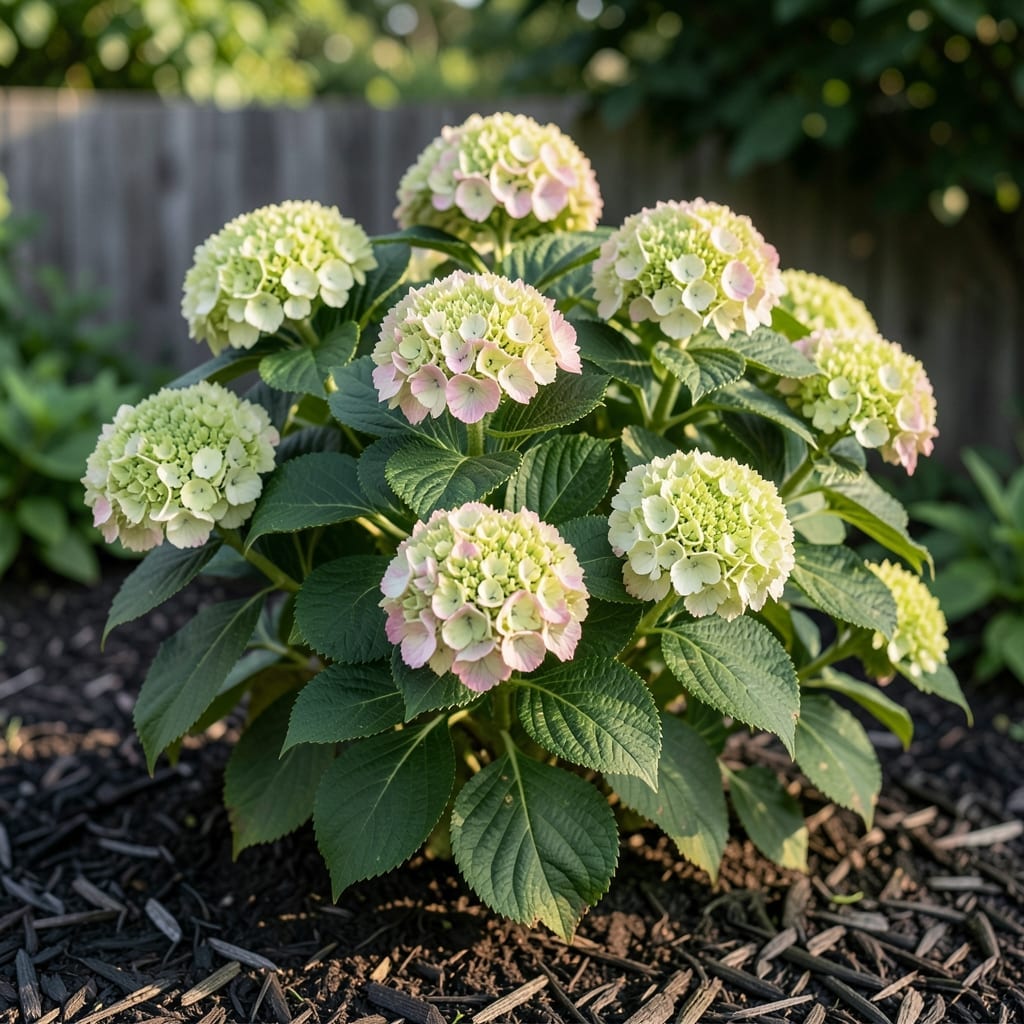
Green hydrangeas caught me off guard last summer. I expected vibrant blues or soft pinks, but my blooms stayed stubbornly green despite my best efforts.
Turns out, this usually signals a pH imbalance or nutrient issue in the soil. The color shift happens when aluminum uptake is disrupted, often due to high pH levels or excess nitrogen.
I fixed mine by testing the soil and amending it with sulfur to lower the pH. Within weeks, the blooms started transitioning back to their expected colors.
Don’t worry—this is fixable. With a few adjustments, you’ll see those classic hydrangea hues return by next season.
Hydrangeas turning green instead of their usual vibrant hues can be puzzling. The primary causes often stem from environmental or care-related factors. Below are the most common reasons, explained scientifically and with actionable insights.
Hydrangeas are sensitive to soil pH, which directly affects flower color. In acidic soils (pH below 6), hydrangeas typically produce blue or purple blooms, while alkaline soils (pH above 7) yield pink or red flowers. When the pH is neutral (around 7), the blooms often turn green or pale. This happens because the plant struggles to absorb aluminum ions (critical for blue/purple pigments) in neutral or alkaline conditions, leading to a lack of distinct coloration.
Action: Test your soil pH and amend it with sulfur (to lower pH) or lime (to raise pH) to achieve the desired color.
A lack of phosphorus or an excess of nitrogen can cause hydrangeas to produce green flowers. Phosphorus supports vibrant blooms, while too much nitrogen promotes leafy growth at the expense of flower color. Additionally, insufficient iron or magnesium can lead to chlorosis (yellowing) in leaves and muted, greenish flowers.
Action: Use a balanced fertilizer (10-10-10) or one designed for flowering plants, and consider iron supplements if chlorosis is present.
Extreme temperature fluctuations, excessive shade, or drought can stress hydrangeas, causing them to produce green blooms. Stress disrupts the plant’s ability to synthesize pigments properly, resulting in off-color flowers. For example, Hydrangea macrophylla (bigleaf hydrangea) is particularly sensitive to heat and may revert to green blossoms in high temperatures.
Action: Ensure consistent watering, partial shade in hot climates, and protection from harsh weather.
If your hydrangeas are sporting green blooms instead of their usual vibrant hues, don’t panic! Here’s how to diagnose and fix the issue, with prevention tips to keep your plants thriving.
Green hydrangeas often signal a neutral pH (around 7). For blue flowers, aim for acidic soil (pH 5.0–5.5); for pink, go slightly alkaline (pH 6.0–6.5).
Too much nitrogen or phosphorus can cause green blooms. Hydrangeas need a balanced diet (10-10-10 fertilizer) for healthy color.
Stress from poor light or watering can mute flower colors. Hydrangeas prefer partial shade (4–6 hours of morning sun) and consistent moisture.
💡 Pro Tip: If your hydrangeas are young, give them time! Some varieties (like Hydrangea macrophylla) can take 2–3 years to produce their true color.
Acidic soil (pH 5.0-5.5) produces blue blooms, while alkaline (pH 6.0-6.5) yields pink. Neutral pH often results in green flowers due to disrupted aluminum absorption.
Expect to see changes in 2-3 months after adjusting soil pH or nutrients. Full color transformation may take until the next blooming season for established plants.
Yes, excessive shade can stress plants and mute colors. Hydrangeas need 4-6 hours of morning sun for vibrant blooms. Consider relocating if your plant isn’t getting enough light.