
Beautiful Plants For Your Interior
Beautiful Plants For Your Interior
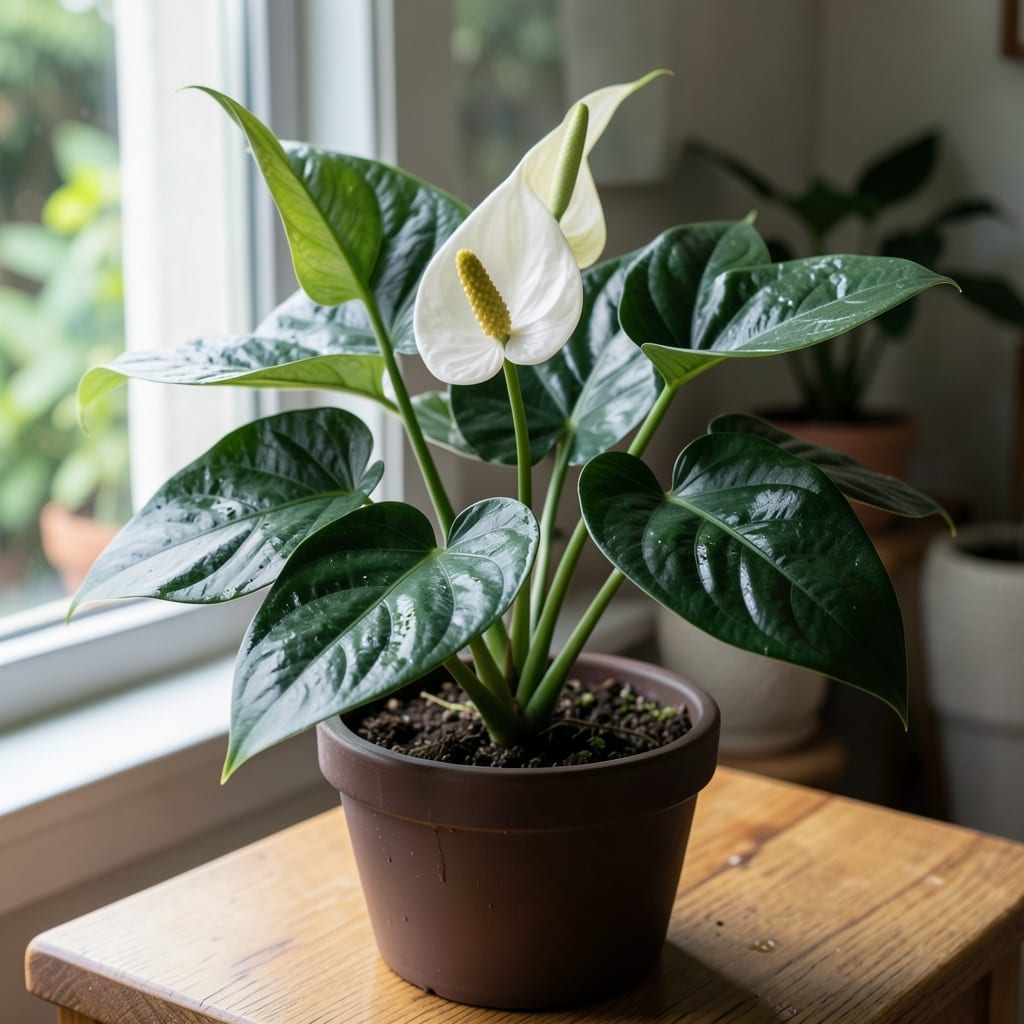
White peace lily blooms turning green caught me off guard the first time. It’s not disease—just your plant telling you something’s off with its care routine.
Usually it’s too much light or fertilizer. These tropical beauties prefer bright, indirect spots and a light touch with feeding. I learned this after watching my own flowers fade to green over 3 weeks.
Fix the balance and those iconic white spathe will return. The transition back starts with adjusting your watering schedule and checking your plant’s position relative to windows.
Small changes make a big difference. You’ll see improvement within 2-3 weeks of dialing in the right conditions.
Peace lily flowers turning green is a natural but often puzzling phenomenon. This color shift typically results from environmental or biological factors disrupting the plant’s pigmentation. Below are the primary causes, explained with actionable insights.
Peace lilies thrive in indirect, low to medium light. When exposed to direct sunlight or overly bright conditions, the white spathe (the flower-like structure) may turn green due to chlorophyll production. Chlorophyll, the pigment responsible for photosynthesis, dominates when the plant prioritizes energy production over bloom aesthetics. To fix this, move your peace lily to a shadier spot with filtered light.
A surplus of nitrogen in the soil can trigger excessive leafy growth, including in the spathe. Nitrogen promotes chlorophyll, which overpowers the white or pale green hues of the flower. Switch to a balanced, phosphorus-rich fertilizer (e.g., 10-30-10) to encourage blooming and reduce greening. Avoid over-fertilizing, as this can worsen the issue.
As peace lily flowers mature, they naturally transition from white to green. This is part of the plant’s senescence cycle, where the spathe reverts to a leaf-like state to aid photosynthesis. If the flower is old (typically after 4–6 weeks), the color change is normal. Simply trim the aging spathe to redirect energy to new growth.
Extreme temperatures (below 55°F or above 90°F) can stress the plant, altering its pigmentation. Green spathe may emerge as a survival response. Maintain a stable environment between 65–80°F and avoid drafts or heat sources near the plant.
If your peace lily’s white blooms are fading to green, these targeted fixes will restore their classic look while keeping the plant healthy. Address the most common causes with these step-by-step solutions:
Move your peace lily to a spot with bright, indirect light—like an east-facing window or a few feet back from a north- or west-facing one. Avoid direct sunlight, which can scorch leaves and speed up chlorophyll production in the flowers. If natural light is too strong, use a sheer curtain to diffuse it.
Prevention tip: 💡 Rotate the plant every few weeks to ensure even light exposure without overdoing it.
Switch to a balanced, water-soluble fertilizer (10-10-10 or 20-20-20) and dilute it to half strength. Feed every 6–8 weeks during spring and summer, but skip fertilizing in fall and winter when growth slows. Too much nitrogen encourages green growth at the expense of white blooms.
Prevention tip: 🎯 Flush the soil with water every 2–3 months to remove excess salt buildup from fertilizers.
Let the top inch of soil dry out before watering again. Peace lilies droop slightly when thirsty—a clear sign it’s time to water. Ensure the pot has drainage holes to prevent soggy roots, which can stress the plant and alter flower color.
Prevention tip: ✨ Use a moisture meter or the finger test to check soil dryness before watering.
If the green flowers are old or spent, snip them off at the base with clean scissors. This redirects energy to new growth and fresh white blooms. A healthy peace lily in the right conditions will produce new flowers regularly.
Prevention tip: 🌡️ Maintain consistent temperatures (65–80°F) to support steady blooming cycles.
No, it’s often reversible. Adjust light and fertilizer, and new white blooms should return within 2-3 weeks.
Yes, low light can trigger chlorophyll buildup in the spathe. Move the plant to a brighter spot with indirect sunlight.
Only if they’re aging or spent. Trim at the base to encourage fresh white blooms and redirect energy.
Not necessarily. It’s often a care adjustment issue. Check light, nutrients, and temperature first.