
Beautiful Plants For Your Interior
Beautiful Plants For Your Interior
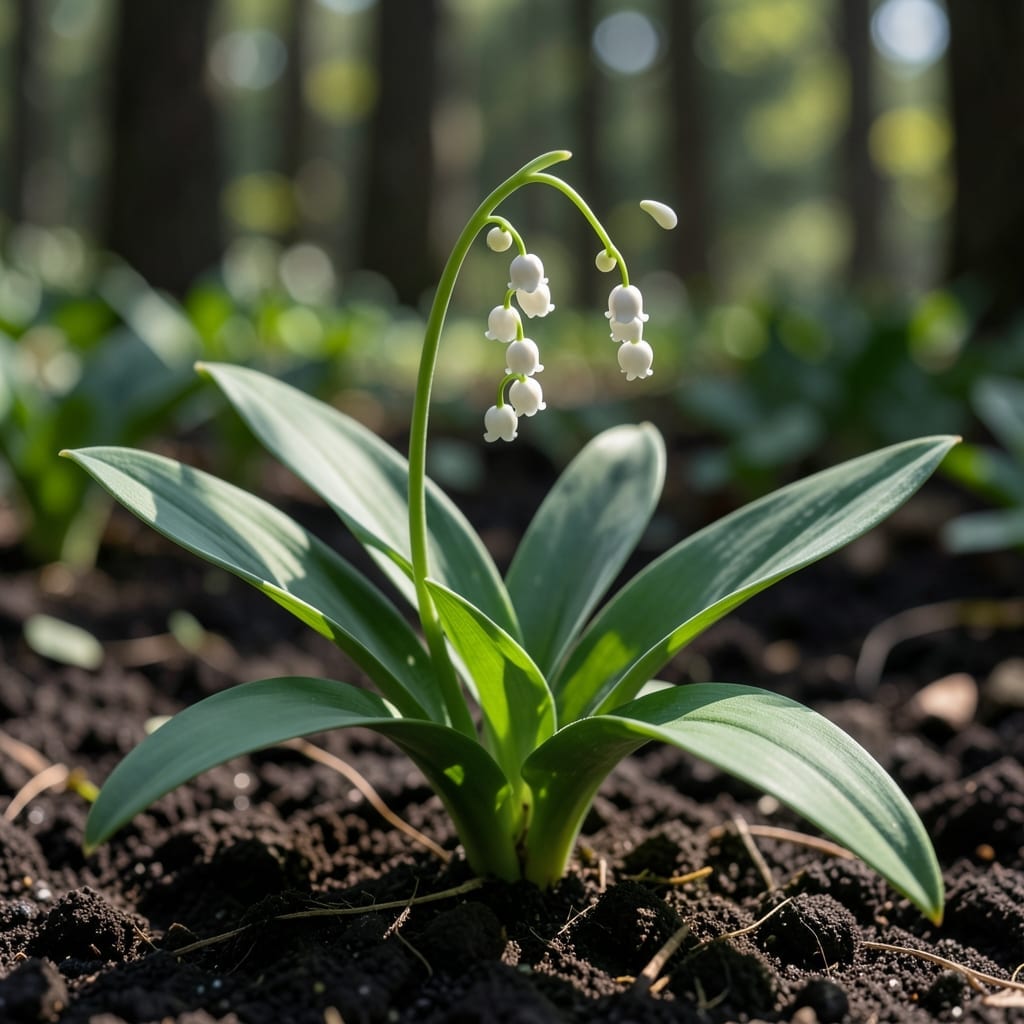
There’s something magical about the first signs of Lily Of The Valley 🌸 appearing in your garden. Their delicate bell-shaped blooms and sweet fragrance signal that spring has truly arrived.
But timing is everything with these beauties. In most regions, you can expect their flowers to emerge during a specific window that gardeners eagerly anticipate each year.
Discover exactly when to look for these charming blooms and how to ensure your plants thrive. The answer might surprise you with its simplicity.
If you’re wondering when lily of the valley flowers bloom, the answer is typically in mid to late spring. In most regions, you’ll see those iconic bell-shaped blooms appearing in April or May. This timing aligns with the plant’s natural growth cycle as it emerges from winter dormancy.
The exact bloom period can vary based on your USDA hardiness zone. Gardeners in zones 3-5 often see flowers slightly later than those in zones 6-8, where warmer temperatures may trigger earlier blooming. The flowers usually last for 2-3 weeks before fading.
| Stage | Timing | Notes |
|---|---|---|
| Early Growth | March | Shoots emerge from soil |
| Bud Formation | Early April | Flower buds appear |
| Peak Bloom | Mid-Late April | Full fragrance released |
| Late Bloom | Early May | Flowers begin to fade |
| Seed Development | Late May | Red berries form |
In milder climates like the Pacific Northwest, you might even get a second flush of blooms in early summer if conditions are right. I’ve seen this happen in gardens with consistent moisture and partial shade during the hottest part of the day.
Temperature plays a crucial role in bloom timing. A warm spring can accelerate flowering by a week or more, while a late frost might delay it. Lily of the valley prefers cool to moderate temperatures between 60-75°F for optimal blooming.
Daylength also influences when these flowers appear. As days get longer in spring, the plant receives the signal to start its blooming process. This is why you’ll rarely see lily of the valley flowers outside of spring in most regions.
For gardeners in zone 8, the bloom time might start as early as late March, while those in zone 3 might need to wait until early May. I recommend keeping a garden journal to track your local bloom times year to year.
If your lily of the valley isn’t blooming when expected, check its light conditions. These plants thrive in partial to full shade and may struggle in areas with hot afternoon sun. Too much direct sunlight can actually shorten the bloom period.
Soil moisture is another key factor. While lily of the valley likes consistently moist soil, waterlogged conditions can delay or prevent blooming. Ensure your planting area has good drainage to avoid this issue.
In my experience, plants established for 2-3 years tend to have the most reliable and abundant blooms. Newly planted pips might take a season to settle in before producing their characteristic fragrant flowers.
Remember that lily of the valley spreads via rhizomes, so a well-established patch will often have a longer bloom window as different sections mature at slightly different times 🌿
I’ve found that with some simple adjustments, you can influence when lily of the valley blooms in your garden. The key lies in controlling light exposure and soil conditions to either speed up or slow down the process.
Planting location makes a big difference. In full shade, blooms may appear 1-2 weeks later than in partial shade with morning sun. This is because more light encourages earlier flowering.
Mulching is particularly effective. A 2-3 inch layer of organic mulch keeps soil cooler, which can delay blooming by 5-7 days. I use shredded bark for this purpose with great success.
For earlier blooms, try planting in a sunnier spot but ensure it gets afternoon shade. The extra morning light provides the energy needed for faster flower development without risking sun scorch.
Container growing offers the most control. You can move pots to different light conditions to manipulate bloom time. Just remember that container plants need more frequent watering as soil dries out faster.
If you want to extend the bloom season, consider planting in multiple locations with varying light conditions. This creates a staggered blooming effect that can give you flowers for up to a month.
Remember that lily of the valley is most fragrant in cool, shaded conditions, so don’t sacrifice its signature scent for earlier blooms 🌿